Top Landscaping Services in Paulden, AZ, 86305 | Compare & Call

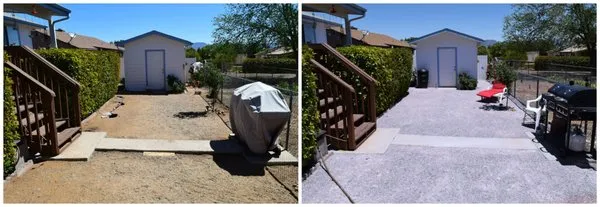
FOAK Landscaping has been a trusted local provider in Paulden and the greater Prescott Valley area since 2017. We specialize in bringing your outdoor vision to life with thoughtful landscape design, p...

JM Landscaping is a family-owned and operated business proudly serving Paulden and surrounding communities with over 18 years of dedicated experience. We approach every project, from a simple irrigati...
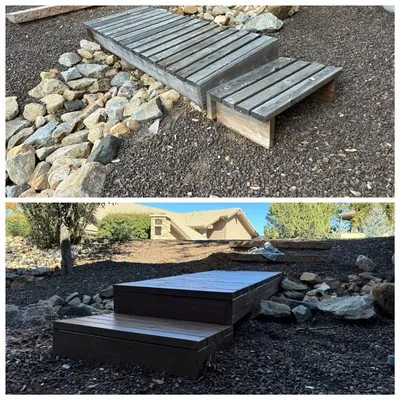
Cactus Wren Landscaping was founded by local Paulden residents who believe a great yard is built on more than just a single specialty. With years of experience in hardscaping as paver and rock install...
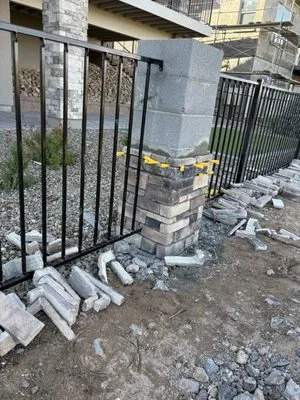
My name is Arturo, and I'm the owner of Burritos Landscaping. I'm a 25-year-old, born and raised right here in Prescott, Arizona, and I've been working in the landscaping industry since I was 17. Over...

Ready-2-Work
Ready-2-Work is your trusted, full-service partner for property upkeep and cleanouts in Paulden, AZ. We specialize in landscaping, junk removal, and indoor landscaping, providing tailored solutions fo...
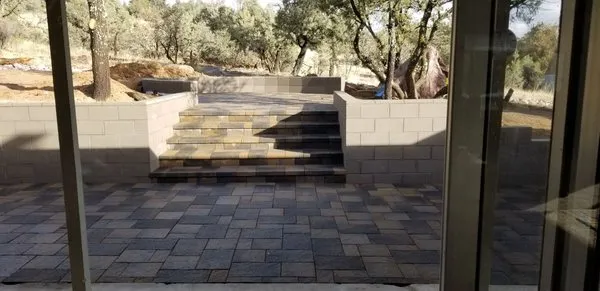
FnJ Landscape is a Paulden-based landscaping company founded by Justin Angel and Fernando Silva, two former police academy classmates who saw a need for extra income among first responders. They start...
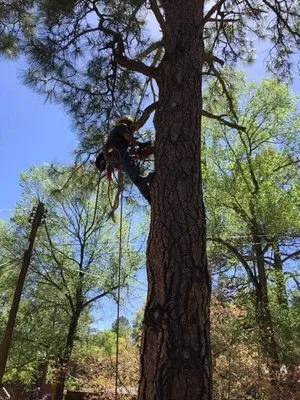
Mountain Range Tree Expert is a Paulden-based landscaping and tree service company owned and operated by Levi Williams. With over 20 years of experience in the tree service industry, Levi brings exten...

Saul & Sons Landscapes is a family-owned and operated business serving Paulden, AZ, and the surrounding areas. Founded by Ulises Figueroa, we take immense pride in our work, focusing on meeting and ex...

Hector's Landscaping is your trusted local partner for maintaining a beautiful and resilient yard in Paulden, AZ. We understand the unique challenges of the high desert, from intense sun that leads to...
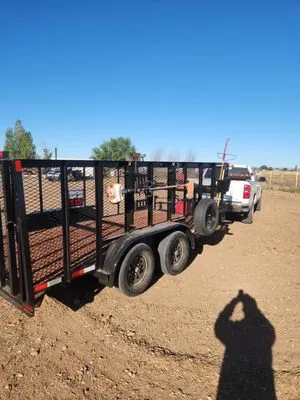
V&J's Landscaping is a trusted, full-service landscaping company serving Paulden, AZ, and the surrounding areas. We specialize in transforming and maintaining outdoor spaces, from irrigation system re...
Common Questions
What do I need to know about permits and licenses for regrading my 2-acre lot?
Any significant grading or earthwork on a 2-acre parcel in Yavapai County typically requires a permit from Yavapai County Development Services, especially regarding drainage and floodplain management. The contractor must hold a valid license with the Arizona Registrar of Contractors (ROC) in the appropriate classification, such as Landscaping (L-21) or General Residential (B-2). This ensures they are bonded, insured, and accountable for work meeting code, protecting your property investment.
Why does the soil in my Paulden Town Center yard feel so compacted and lifeless?
Your property, likely built around 1997, has soil nearly 30 years old. This alkaline sandy loam, common to this area, has been compacted over time by construction, foot traffic, and limited organic input. The pH of 8.1 locks up essential nutrients like iron and phosphorus. Core aeration combined with incorporating 2-3 inches of compost is critical to improve soil percolation, microbial life, and nutrient availability for healthy plant growth.
How do I keep my lawn alive during summer while following Paulden's water conservation rules?
Under Stage 1 voluntary conservation, efficiency is paramount. Drip irrigation with inline pressure regulators delivers water directly to the root zones of Blue Grama or Buffalo Grass with minimal evaporation. We program controllers using evapotranspiration (ET) data and soil moisture sensors to apply water only when needed. This method often uses less water than sprinklers while maintaining turf health and complying with municipal guidelines.
How quickly can you respond for an emergency cleanup after a windstorm to avoid HOA fines?
For an urgent HOA compliance or post-storm cleanup, our dispatch from the Paulden Community Center prioritizes your neighborhood. Using AZ-89, our target arrival during a standard dispatch is 45-60 minutes. We coordinate with local weather alerts to pre-stage electric equipment fleets, which operate quietly within the 7:00 AM to 9:00 PM noise ordinance, ensuring rapid, compliant service.
What are the biggest weed threats here, and how do I deal with them safely?
In Paulden, invasive species like Red Brome and Russian Thistle are primary alerts. They exploit disturbed, compacted soil. Treatment focuses on pre-emergent herbicides in late winter and careful manual removal. We use only low-nitrogen, slow-release fertilizers to avoid fueling weed growth and strictly adhere to any seasonal blackout dates, though current local fertilizer regulation is minimal. Building healthy soil is the best long-term defense.
Is decomposed granite better than wood mulch for my patio area, considering fire risk?
For a Very High Fire Wise rating in WUI Zone 2/3, non-combustible materials are essential for defensible space. Crushed decomposed granite is superior to wood mulch, which is a fuel source. The ¼-inch minus grade compacts into a stable, permeable surface that suppresses weeds, requires no watering, and provides a 30-foot ember-resistant zone around structures, a key requirement for insurance and safety compliance.
My yard floods during monsoons. What's a solution that won't get rejected by the county?
Flash flooding in arroyos is a major hazard with alkaline sandy loam, which can form a crust and shed water. Yavapai County Development Services requires managed onsite runoff. Creating swales lined with permeable ¼-inch minus decomposed granite allows water to infiltrate slowly. This material compacts well for stability while meeting permeability standards, directing water away from structures and reducing erosion.
I'm tired of constant mowing and blowing. What's a lower-maintenance, eco-friendly alternative?
Transitioning to a climate-adaptive xeriscape with natives like Apache Plume, Desert Marigold, and Four-wing Saltbush drastically reduces maintenance. These plants require no mowing, minimal water once established, and provide critical habitat. This shift also future-proofs your property against increasing noise ordinances targeting gas-powered blowers, as leaf litter from natives is often left as a natural mulch.
