Top Landscaping Services in Oracle, AZ, 85623 | Compare & Call
There are 239 landscaping companies server in Oracle AZ
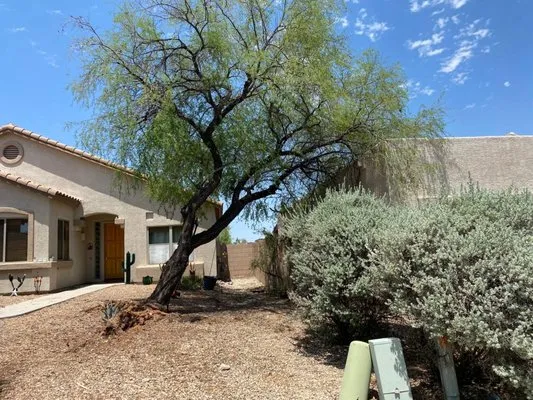
Arizona Pro Landscaping is a Tucson-based company specializing in comprehensive landscaping and irrigation solutions for residential and commercial properties. We offer a wide range of services includ...
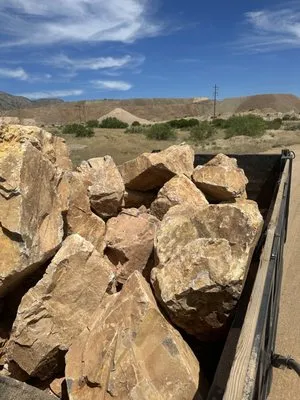
Scott's Dump Truck & Tractor Service
For over 30 years in the excavation and trucking industry, I'm Scott D, the owner of Scott's Dump Truck & Tractor Service. Our Tucson business started 17 years ago as a one-man operation with just a d...
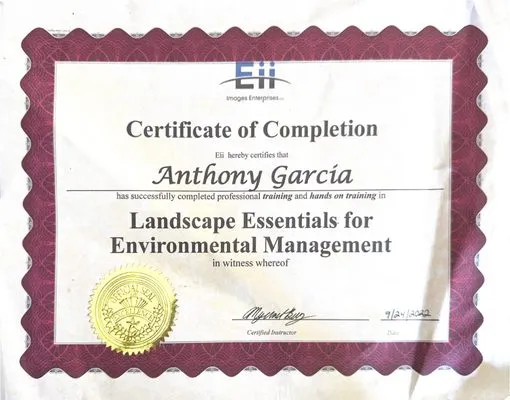
Greenscape Solutions is Tucson's trusted partner for landscaping, tree care, and irrigation services. We specialize in creating and maintaining beautiful, functional outdoor spaces for both residentia...
Dawn Till Dusk Landscaping is a Tucson-based, licensed and insured landscaping company founded in 2017 by owner Jackson O'Neill. With a deep-rooted passion for helping people and working with the land...
Lordz in Tucson, AZ is a family-owned and operated business established in 2021, serving all of Arizona with a comprehensive range of services. Specializing in landscaping, pressure washing, and auto ...
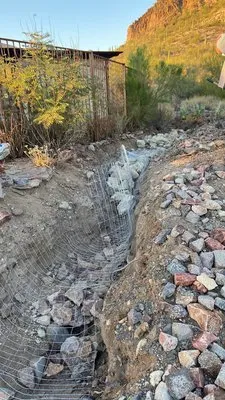
Grupo HIZA Hardscaping is a trusted local landscaping and hardscaping company serving Tucson, AZ. We specialize in stucco, masonry, and comprehensive plant care, from tree pruning and transplanting to...
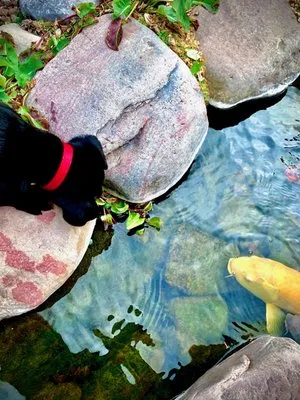
Cazee Ponds in Vail, AZ, specializes in transforming outdoor spaces into serene aquatic environments, including koi ponds, water gardens, streams, and pondless waterfalls. We provide expert installati...
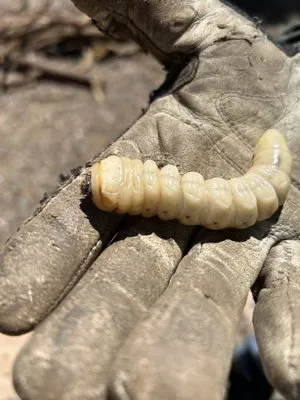
Transformed Trees and Landscaping provides expert tree and landscape services to Tucson and the surrounding areas. As a licensed, local company, we specialize in comprehensive care for your outdoor en...
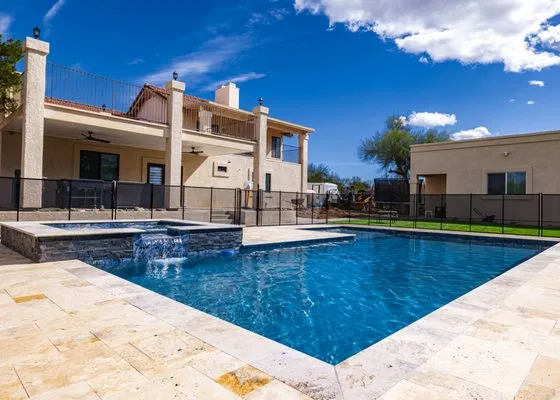
Rojo's Builders
Rojo's Builders has been a trusted, family-owned business serving Tucson and the surrounding areas since 2007. We are a fully licensed, insured, and bonded general contractor and pool contractor (ROC#...

Caballero Yard and Home is a Tucson-born and operated business, founded by a local with over a decade of construction experience. As a native to the area, we understand the unique demands of maintaini...
Estimated Landscaping Service Costs in Oracle, AZ
Q&A
What are the benefits of replacing some lawn with native plants?
Transitioning to a landscape anchored by natives like Desert Willow and Penstemon significantly reduces water, fertilizer, and maintenance inputs. These plants are adapted to local alkaline soils and seasonal droughts. This shift also pre-empts evolving noise ordinances, as electric maintenance equipment is sufficient for native beds, eliminating the need for gas-powered blowers during restricted quiet hours.
How can we keep our Buffalograss green during voluntary water restrictions?
Effective irrigation in Stage 1 conservation relies on precision. Wi-Fi ET-based systems use local weather data to apply water only when evapotranspiration rates demand it, preventing overwatering. For Buffalograss, this typically means deep, infrequent cycles that encourage drought-tolerant root growth. This method maintains turf health while staying well within municipal water use expectations, even during summer heat.
Our yard floods during heavy rains. What's a durable solution that also looks good?
Flash flooding is a common risk in Oracle due to the low permeability of compacted sandy loam. A functional solution involves regrading to create shallow swales that direct water away from structures. Using crushed decomposed granite for pathways and patios adds a permeable hardscape that reduces runoff velocity. This approach often meets Pinal County's stormwater management standards for residential properties.
Why does the soil in our Oracle Townsite yard seem so compacted and hard to work with?
Homes built around 1989, like many in this neighborhood, have soil that is now 37 years post-construction. This timeline aligns with the natural compaction of alkaline sandy loam, exacerbated by decades of foot traffic and limited organic input. The high pH of 7.9 further restricts nutrient availability and beneficial microbial activity. To restore soil health, core aeration followed by incorporating compost is essential to improve permeability and support deeper root systems.
What permits and credentials are needed for major grading or retaining wall projects?
Significant earthwork on a 1.25-acre lot, such as regrading for drainage or installing large retaining walls, typically requires a permit from Pinal County Planning & Development. State law mandates that any contractor performing this work must hold a valid license with the Arizona Registrar of Contractors, specifically in a relevant classification like landscaping or general contracting, to ensure compliance with engineering and safety standards.
What should we do if we see invasive grasses like Fountain Grass in our xeriscape?
Invasive species like Fountain Grass compete aggressively with natives for water and space. Manual removal, ensuring the entire root crown is extracted, is the first line of defense. If herbicide is necessary, apply a targeted, systemic type during the plant's active growth phase, strictly following the Pinal County Best Management Practices to protect surrounding desirable vegetation and soil biology.
How quickly can you respond for an emergency cleanup after a major storm?
Our standard protocol for emergency dispatch in Oracle prioritizes properties with active drainage hazards or safety risks. A crew dispatched from near Oracle State Park would travel south via AZ-77 directly into the Townsite. During peak storm conditions with potential flash flooding, we plan for a 45 to 60 minute arrival window to account for road safety and debris.
Is decomposed granite a better choice than wood for patio areas here?
For longevity and fire safety in Oracle's Very High wildfire risk zone, decomposed granite is superior. It is a non-combustible material that maintains a stable surface with minimal dust when properly stabilized. This contributes directly to WUI Zone 1 defensible space requirements by creating a fire-resistant buffer, unlike wood mulches or structures that can become fuel.
