Top Landscaping Services in Leupp, AZ, 86035 | Compare & Call
There are 240 landscaping companies server in Leupp AZ
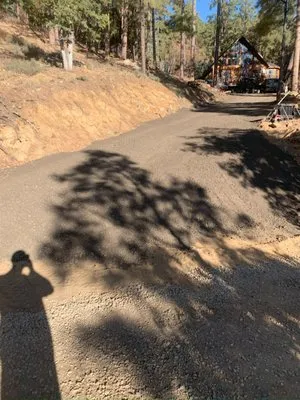
Level Earth Grading, founded by Cory Bates, brings over 14 years of specialized expertise in precision grading to Camp Verde and the surrounding Verde Valley. Cory's journey began as a heavy equipment...

Prescottscapes is a trusted local landscaping company serving Prescott, AZ, and the surrounding areas. We specialize in creating and maintaining beautiful, resilient outdoor spaces tailored to the uni...
Whiffle Tree is a Flagstaff-based landscaping company specializing in creating and maintaining sustainable outdoor spaces that thrive in our unique high-desert climate. We understand the common local ...
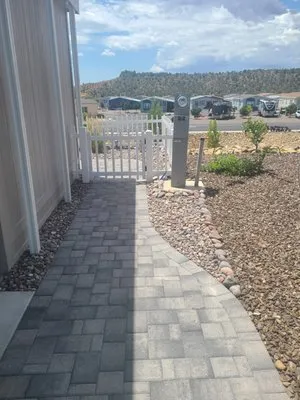
Northern Arizona Tree And Landscape
Northern Arizona Tree And Landscape is a trusted, licensed, bonded, and insured landscaping service provider based in Chino Valley, AZ. With over 40 years of combined experience, this dedicated team s...
Dino's Landscaping provides expert landscaping services tailored to Flagstaff's unique high-desert environment. We specialize in addressing common local challenges like desert soil erosion and the per...
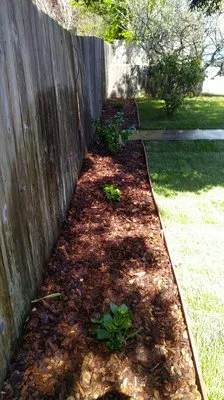
Natural Landscaping is an owner-operated business in Flagstaff, AZ, built on a personal commitment to quality and customer care. I believe in the lasting value of a job done right and find genuine sat...
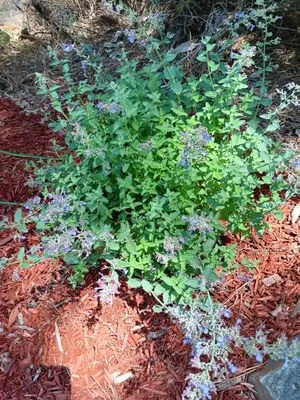
Feral Flower is a Flagstaff-based landscaping and gardening service dedicated to solving the unique challenges homeowners face in our high-desert climate. We specialize in addressing common local issu...
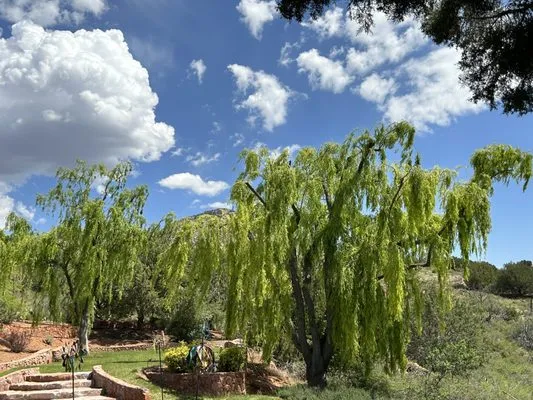
Bob's Tree and Landscaping
Bob's Tree and Landscaping is a locally owned and operated full-service landscaping and design company serving Camp Verde, AZ, and Northern Arizona since 1985. Founded by Robert B. Smith, who started ...

Americus Hardscaping & Landscape Design And Maintenance Services
Americus Hardscaping & Landscape Design And Maintenance Services is a locally owned and operated business serving Camp Verde, AZ, and surrounding areas. With expertise spanning landscape architecture,...
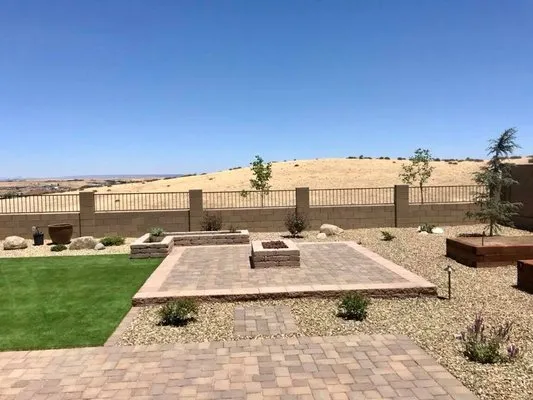
Wright Brothers Landscape
Wright Brothers Landscape is a family-owned and operated business serving Prescott and the surrounding area since 2005. As a fully licensed, bonded, and insured company, we are built on a foundation o...
Estimated Landscaping Service Costs in Leupp, AZ
Q&A
We have a sudden issue that needs immediate professional attention. How quickly can a crew typically respond?
An emergency cleanup or compliance crew dispatched from the Leupp Chapter House can typically be en route within the hour. The primary travel corridor is AZ-99, which facilitates regional service. Given the rural landscape and average property sizes, anticipate a 60 to 90 minute travel and setup window for arrival on a 1.25-acre site.
We've spotted what looks like an invasive grass. How should we handle it without harming the native plants?
Early identification and targeted treatment are key for invasive species like Sahara Mustard or Cheatgrass, which threaten stands of Indian Ricegrass and Sand Sagebrush. Given the minimal nitrogen application recommendations here, avoid broad-spectrum herbicides. A licensed professional can implement spot-treatment protocols using selective, soil-friendly agents outside of any potential seasonal fertilizer blackout dates to preserve the ecological balance.
Our yard seems to struggle, and the soil looks compacted and dry. Is this normal for a home built in the 1990s around here?
Properties built around 1991, like many in the Leupp Community Residential Area, have approximately 35-year-old soil profiles. The predominant Alkaline Sandy Loam (pH 8.1) naturally compacts over decades, reducing permeability and organic matter. This history of minimal amendment explains poor water infiltration and plant stress. Core aeration combined with incorporating composted organic matter is critical to rebuild soil structure and counteract the inherent high pH.
We get serious erosion and ponding during heavy rains. What's a durable solution for our soil type?
Alkaline Sandy Loam in Leupp has high erosion potential and poor absorption during flash flood events. Installing permeable pathways and patios using locally sourced crushed decomposed granite creates a stable, porous surface that manages runoff. This approach meets Navajo Nation Division of Community Development standards for stormwater management by increasing ground infiltration and reducing surface flow velocity.
How can we keep our lawn alive during voluntary water conservation without wasting water?
Maintaining low-water-use turf like Blue Grama under Stage 1 voluntary conservation mandates precision. A drip irrigation system paired with soil moisture sensors is essential. This technology applies water directly to the root zone only when ET (evapotranspiration) rates demand it, preventing runoff and aligning with municipal water limits. This method sustains the grass while reducing overall consumption by 30-50% compared to traditional sprinklers.
Do we need a permit to regrade part of our large lot, and what should we verify about a contractor?
Significant grading or earthwork on a 1.25-acre lot often requires a permit from the Navajo Nation Division of Community Development to ensure proper drainage and erosion control. Always verify the contractor holds a current license with the Arizona Registrar of Contractors, which mandates insurance, bonding, and adherence to state standards. This due diligence is crucial for protecting your property and ensuring the work meets all jurisdictional requirements.
We want to reduce mowing and gas equipment noise. What's a good long-term alternative to a traditional lawn?
Transitioning to a climate-adaptive xeriscape with native plants like Four-wing Saltbush, Apache Plume, and Indian Ricegrass eliminates weekly mowing. This strategy preempts evolving noise ordinances targeting gas-powered blowers and mowers, supporting a shift to quieter electric maintenance fleets. A native plant palette establishes a resilient, low-input landscape that provides critical habitat and aligns with 2026 biodiversity benchmarks.
Is decomposed granite a better choice than wood for patio areas, considering our environment?
For longevity and fire safety in a High Wildland-Urban Interface zone, crushed decomposed granite is superior to wood. It is a non-combustible material that contributes to defensible space requirements. Unlike wood, it requires no sealing, won't splinter, and naturally blends with the high-desert aesthetic. Its permeability also supports the soil's drainage capacity, making it a functionally and aesthetically sound choice for Leupp.
