Top Landscaping Services in Grand Canyon Village, AZ, 86023 | Compare & Call

There are 16 landscaping companies server in Grand Canyon Village AZ

Jeff's Landscaping & Yard Service has been a trusted Prescott, AZ, landscaping partner for over 34 years, building a reputation for reliability and customer satisfaction. We specialize in irrigation a...
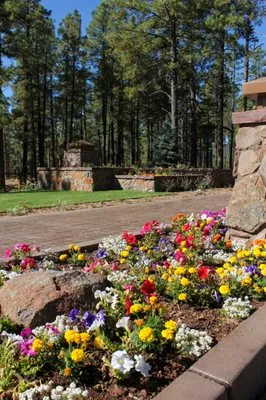
Agassiz Landscape Group, founded in 2002, is a licensed design and construction firm in Flagstaff, AZ, led by Jeff, a nurseryman and designer with over 25 years of local horticultural expertise. Named...
Penstrada Cleaners is a Flagstaff-based home service provider specializing in cleaning, handyman work, and landscaping. We help local residents maintain and improve their homes with reliable appliance...
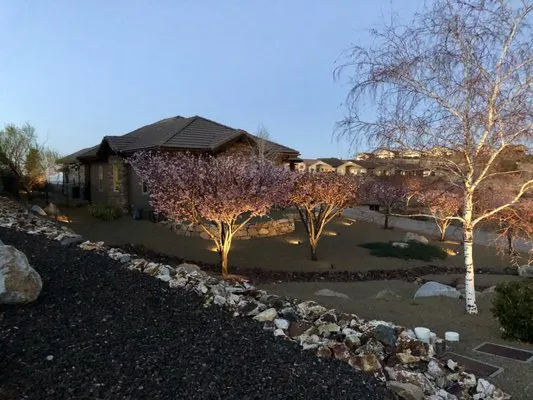
Flag Landscaping & Christmas Decor
Flag Landscaping & Christmas Decor was founded in Flagstaff with a simple, local beginning. What started in 2006 as a summer job for two NAU students with a truck and rakes has grown into a trusted, f...
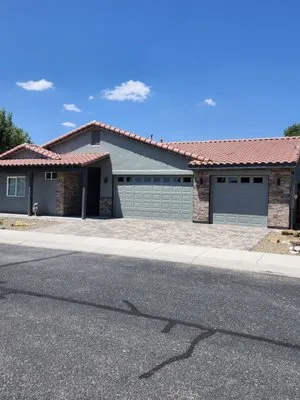
Andrade’s Hardscaping and Landscaping
Andrade’s Hardscaping and Landscaping is a family-owned business with three generations of craftsmanship serving Sedona, AZ. We specialize in creating resilient, beautiful outdoor spaces designed for ...
Morning Dew Landscaping has been serving Flagstaff and Northern Arizona since 1997, providing comprehensive landscaping solutions tailored to the region's unique high-desert climate. As a full-service...
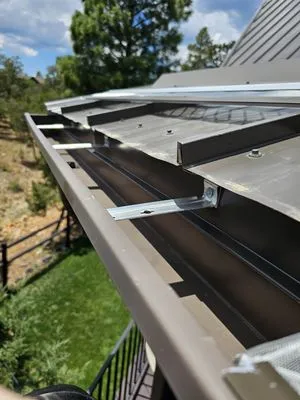
All Around Handyman in Flagstaff, AZ, is a locally owned and operated service provider with deep roots in hands-on craftsmanship. My journey began in rural Tennessee, where I apprenticed under my gran...
AZ Irrigation & Maintenance is a Flagstaff-based landscaping and irrigation company founded by local resident Brad in 2012. With a team of Certified Irrigation Technicians, we specialize in designing,...

Ponderosa Pathways
Ponderosa Pathways is a trusted, full-service exterior maintenance company serving Flagstaff and Northern Arizona. We specialize in adapting landscapes and hardscapes to thrive in our unique high-dese...
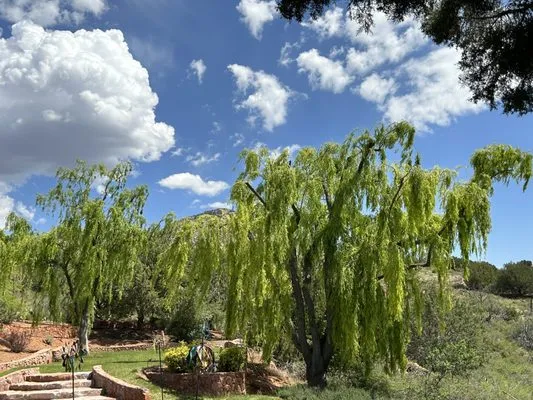
Bob's Tree and Landscaping
Bob's Tree and Landscaping is a locally owned and operated full-service landscaping and design company serving Camp Verde, AZ, and Northern Arizona since 1985. Founded by Robert B. Smith, who started ...
Estimated Landscaping Service Costs in Grand Canyon Village, AZ
Frequently Asked Questions
How quickly can you respond to an emergency tree hazard after a monsoon storm in our neighborhood?
Emergency cleanup crews dispatch from the Grand Canyon Visitor Center via AZ-64, arriving within 45-60 minutes during peak storm conditions. This response time accounts for National Park Service traffic protocols and steep topography access challenges. We prioritize electric chainsaws and hand tools to comply with Quiet Zone Regulations while addressing immediate safety hazards. All debris removal follows NPS organic-only disposal guidelines for park-adjacent properties.
How do I control invasive species without chemical treatments in the National Park boundary?
Scotch thistle and cheatgrass pose the highest invasion risk in Grand Canyon Village's disturbed soils. Manual removal during early growth stages prevents seed set without violating NPS organic-only policies. Solarization with clear plastic during summer months eliminates weed seed banks in planting beds. Applying mycorrhizae inoculants to native plantings creates competitive advantage against invaders while improving soil health naturally.
What permits and licenses are required for regrading my 0.35-acre sloped property?
Grading work exceeding 100 cubic yards on 0.35-acre lots requires both NPS Planning & Compliance Office approval and Arizona Registrar of Contractors licensing. The NPS reviews erosion control plans and native vegetation protection measures, while the state verifies contractor bonding and insurance. Projects impacting drainage patterns or archaeological resources trigger additional review layers. Hiring ARCC-licensed professionals ensures compliance with steep slope engineering standards and prevents costly remediation orders.
Is Kaibab limestone or wood decking better for fire-resistant landscaping?
Kaibab limestone provides superior fire resistance with zero combustible material, essential for WUI Zone 1 compliance. Its thermal mass properties reduce radiant heat transfer during wildfire events, creating defensible space. Unlike wood decking that requires chemical treatments, natural stone maintains integrity for decades without maintenance. Strategic placement of limestone pathways and patios meets fire-wise defensible space requirements while blending with the native geological context.
Why does my 34-year-old Grand Canyon Village yard struggle with compacted soil despite regular watering?
Properties built around 1992 in the Residential District have alkaline limestone-derived loam that has matured for over three decades. This soil type naturally compacts over time, reducing permeability and oxygen availability to root zones. Core aeration every 2-3 years is essential to break up compaction layers and improve water infiltration. Incorporating organic amendments like composted pine bark can gradually lower pH toward neutral while enhancing soil structure for native plant establishment.
Should I replace traditional lawn areas with native plants to reduce maintenance?
Transitioning to Cliffrose, Apache Plume, and Pinyon Pine communities eliminates weekly mowing while providing year-round habitat value. These natives require no fertilization and minimal irrigation once established, aligning with 2026 biodiversity standards. Electric maintenance equipment operates quietly within NPS Quiet Zone hours, avoiding gas-blower restrictions. The resulting landscape supports local pollinators while reducing carbon emissions from transportation and maintenance activities.
What solutions prevent erosion on our steep lots with alkaline soil?
Alkaline limestone-derived loam has low organic content, reducing water retention and increasing erosion risk on steep topography. Permeable Kaibab limestone dry creek beds channel runoff while meeting NPS Planning & Compliance Office stormwater standards. Terracing with native stone retention walls slows water velocity and creates planting pockets for deep-rooted natives. These systems work with the soil's natural percolation rate rather than against it, preventing gully formation.
Can I maintain healthy Buffalograss while complying with Stage 2 water restrictions?
Drip-only weather-based irrigation controllers precisely match evapotranspiration rates to preserve Buffalograss with minimal water use. These systems apply 0.5-0.75 inches weekly during peak season, staying well within municipal conservation mandates. Programming follows Grand Canyon Village microclimate data, reducing runtime by 30-40% compared to traditional sprinklers. Deep, infrequent watering encourages drought-tolerant root development while preventing runoff on sloped lots.
