Top Landscaping Services in Fort Valley, AZ, 86001 | Compare & Call
There are 124 landscaping companies server in Fort Valley AZ
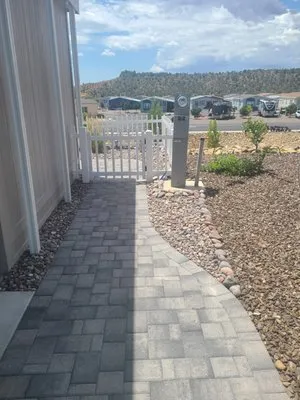
Northern Arizona Tree And Landscape
Northern Arizona Tree And Landscape is a trusted, licensed, bonded, and insured landscaping service provider based in Chino Valley, AZ. With over 40 years of combined experience, this dedicated team s...
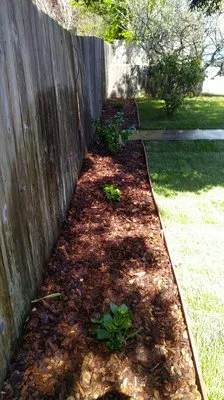
Natural Landscaping is an owner-operated business in Flagstaff, AZ, built on a personal commitment to quality and customer care. I believe in the lasting value of a job done right and find genuine sat...
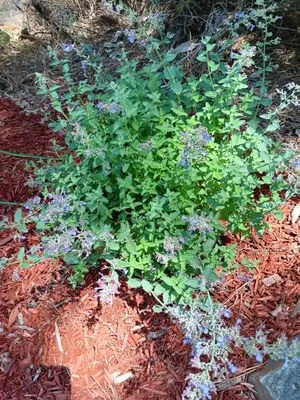
Feral Flower is a Flagstaff-based landscaping and gardening service dedicated to solving the unique challenges homeowners face in our high-desert climate. We specialize in addressing common local issu...
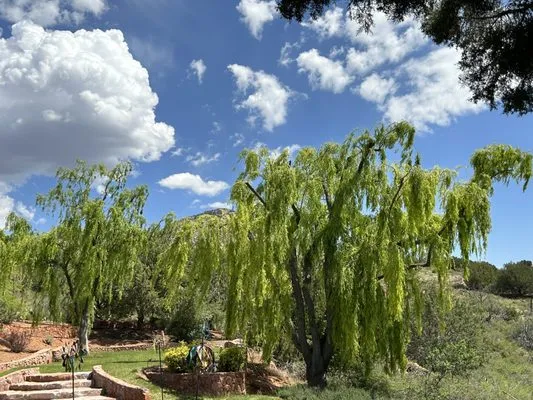
Bob's Tree and Landscaping
Bob's Tree and Landscaping is a locally owned and operated full-service landscaping and design company serving Camp Verde, AZ, and Northern Arizona since 1985. Founded by Robert B. Smith, who started ...

Americus Hardscaping & Landscape Design And Maintenance Services
Americus Hardscaping & Landscape Design And Maintenance Services is a locally owned and operated business serving Camp Verde, AZ, and surrounding areas. With expertise spanning landscape architecture,...
L&G Solutions is a Chino Valley-based landscaping and handyman business founded by a dedicated 19-year-old entrepreneur. What sets us apart is our fresh perspective, modern approach, and genuine commi...
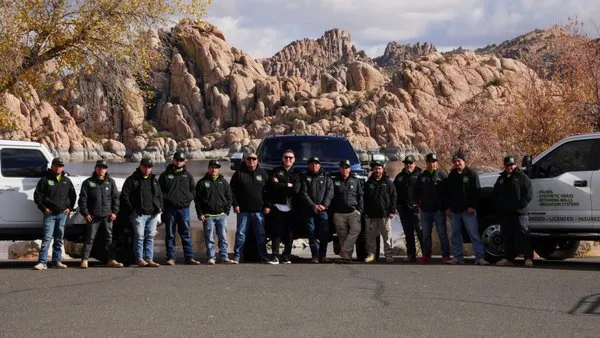
Arizona Modern Landscapes LLC is a licensed and locally owned landscaping company serving Prescott Valley and the surrounding areas. We provide a comprehensive range of services, from initial landscap...
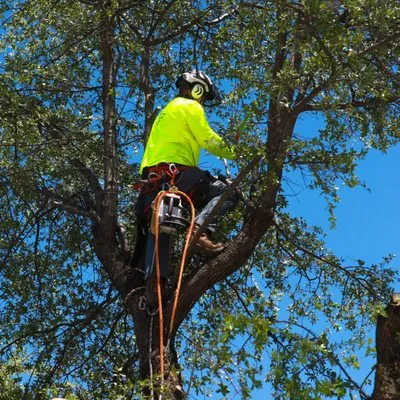
ZebraScapes Landscaping
ZebraScapes Landscaping is a Prescott-based family business founded in 2010 by Rodney and Denise, who bring their farm-raised work ethic to every project. Starting as TKHaley Yard Care LLC and rebrand...
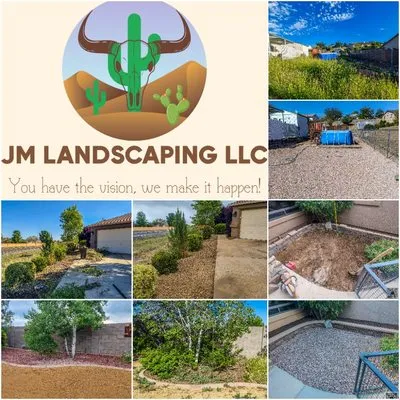
JM Landscaping is a family-owned and operated business proudly serving Paulden and surrounding communities with over 18 years of dedicated experience. We approach every project, from a simple irrigati...
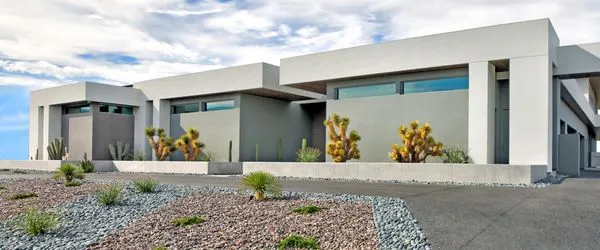
Wild Root Landscape is your local partner for landscaping, tree care, and snow removal in Chino Valley, AZ. Founded on a deep passion for the outdoors and Arizona's unique environment, we believe ever...
Estimated Landscaping Service Costs in Fort Valley, AZ
Question Answers
I want to regrade part of my yard. What permits and contractor qualifications are needed?
Grading on a 0.5-acre lot in Fort Valley typically requires review by the Coconino County Community Development permit office, especially if it alters water flow or involves significant cut and fill. It is legally imperative to hire a contractor licensed by the Arizona Registrar of Contractors for this work. Their licensing ensures adherence to state BMPs for erosion and sediment control, which is non-negotiable given the high-permeability soils and runoff restrictions. Unpermitted or improperly executed grading can lead to costly fines and drainage issues for neighboring properties.
I have an HOA compliance notice for overgrowth and need a rapid cleanup. What's the fastest service response?
An emergency cleanup can be dispatched within the standard operational window of 7:00 AM to 7:00 PM to comply with local noise ordinances. The most efficient route for crews serving Fort Valley Estates originates near Fort Valley Park, proceeding south via US-180. This routing typically ensures a 25 to 35-minute arrival, even accounting for peak traffic variables. The crew will utilize electric-powered equipment for quiet, compliant operation while addressing the overgrowth to meet HOA standards immediately.
Water seems to vanish instantly in my yard, and my plants are stressed. Is this a drainage problem?
This is a characteristic of the volcanic cinder-loam soil common in Fort Valley, which has exceptionally high permeability leading to rapid infiltration. While this prevents pooling, it can cause moisture stress for non-native plants. The solution is not to impede drainage but to manage it. Creating bioswales or dry creek beds with permeable materials like decomposed granite can slow and direct water flow, allowing for better absorption in planted zones. Any new hardscape installations using flagstone should employ permeable jointing to meet Coconino County runoff standards and enhance groundwater recharge.
My lawn in Fort Valley Estates is struggling. Does the age of the neighborhood have anything to do with it?
Yes, most homes in this area were built around 1995, meaning the soil profile is approximately 31 years old. Over that period, the native volcanic cinder-loam soil, while well-draining, has likely become compacted from foot traffic and standard maintenance. This compaction reduces pore space, limiting root penetration and water retention. Core aeration in early spring or fall is critical to reintroduce oxygen and improve infiltration. Amending with composted organic matter, not just top-dressing, will build long-term soil structure and microbial activity in this specific pH 6.5-7.2 environment.
I'm adding a patio and want materials that last. Is flagstone or wood better for our high fire risk area?
In a designated High Fire Wise Zone 2, non-combustible materials are a mandatory component of defensible space. Flagstone and decomposed granite are superior to wood for longevity and fire resistance. They do not ignite, degrade, or require chemical treatments. When installed with a permeable base, these materials also support soil health and drainage. A properly designed flagstone patio creates a durable, low-maintenance zone that enhances property value while directly contributing to wildfire mitigation compliance for your 0.5-acre lot.
With Stage 1 water restrictions, how can I keep my Kentucky Bluegrass healthy without wasting water?
Maintaining cool-season turf like Kentucky Bluegrass under voluntary conservation mandates a precise irrigation strategy. A Wi-Fi ET-based (evapotranspiration) weather-sensing controller is essential; it automatically adjusts runtime based on real-time atmospheric demand and local rainfall, preventing overwatering. This system applies water only when the turf needs it, aligning with municipal limits. Deep, infrequent watering cycles that encourage deeper root growth are more effective than frequent, shallow sprinkling, especially given the soil's high permeability.
I've spotted what looks like invasive cheatgrass. How do I handle it without harming my garden or breaking rules?
Cheatgrass is a significant invasive species alert in this region, posing a fire risk and outcompeting natives. Manual removal before seed set in early spring is most effective for small infestations. For broader areas, a targeted, non-residual herbicide application may be necessary, but timing is critical to comply with state BMP (Best Management Practice) guidelines that prohibit runoff. Applications must be made during calm, dry periods to ensure product efficacy and prevent any movement into the watershed. Always confirm there are no local fertilizer or herbicide 'blackout' dates in effect.
I'm tired of constant mowing and blowing. Are there lower-maintenance, native alternatives to my lawn?
Transitioning to a climate-adaptive xeriscape with regional natives is a forward-thinking solution. Plants like Arizona Fescue, Apache Plume, Cliffrose, and Penstemon are evolved for the local zone 6b conditions, requiring minimal supplemental water once established and no regular mowing. This approach significantly reduces maintenance cycles, aligning with the trend toward quieter, electric maintenance fleets. A layered planting of these natives also provides superior habitat value and supports 2026 biodiversity goals far beyond a monotypic turfgrass lawn.
