Top Landscaping Services in Flagstaff, AZ, 86001 | Compare & Call

There are 143 landscaping companies server in Flagstaff AZ
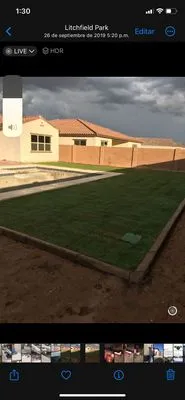
Granado's Landscaping is a Phoenix-based company founded in 2018 by Pablo Granado, built on over a decade of hands-on experience working under the Arizona sun. We offer a comprehensive range of servic...
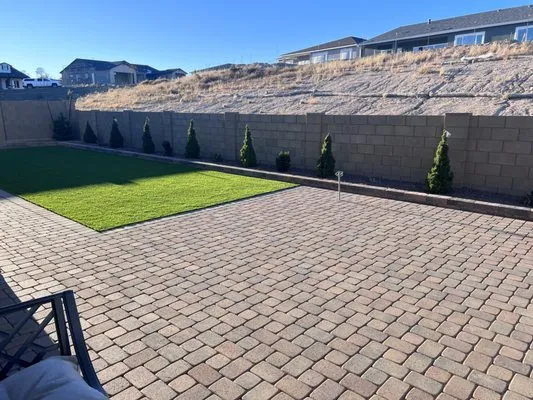
Yavapai Landscaping is a Prescott-based, full-service landscape company owned and operated by retired firefighter Nathan Green. As a local native, Nathan brings a lifetime of area knowledge and a firs...

Jr's Concrete Landscape And Tree Service
Jr's Concrete Landscape And Tree Service is a Sedona-based company specializing in comprehensive outdoor solutions. With expertise in masonry, concrete work, landscaping, and tree care, we help homeow...
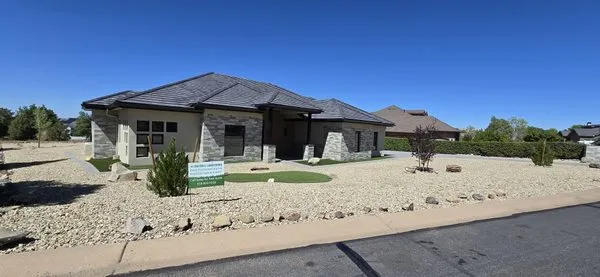
Martinez Landscaping is a family-owned Prescott company dedicated to transforming and maintaining outdoor spaces. We offer a comprehensive range of services to suit any yard, from detailed landscape d...
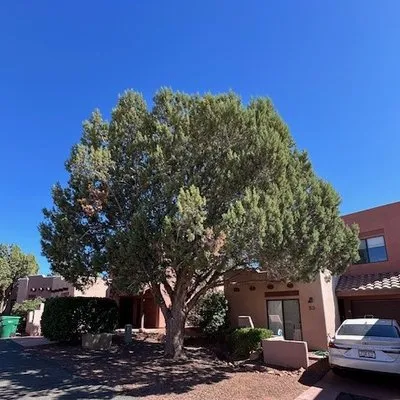
Caballero's Remodeling and Landscaping is a trusted local contractor serving Camp Verde and the surrounding areas. We specialize in comprehensive landscaping and general contracting services, helping ...
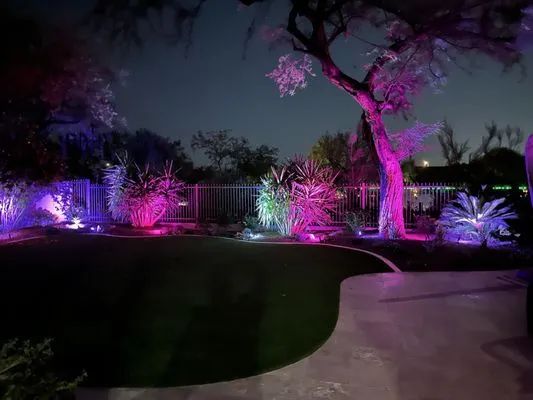
C&G Turf Pros is a trusted Phoenix landscaping and artificial turf specialist dedicated to creating beautiful, low-maintenance outdoor spaces. We understand the challenges local homeowners face, like ...
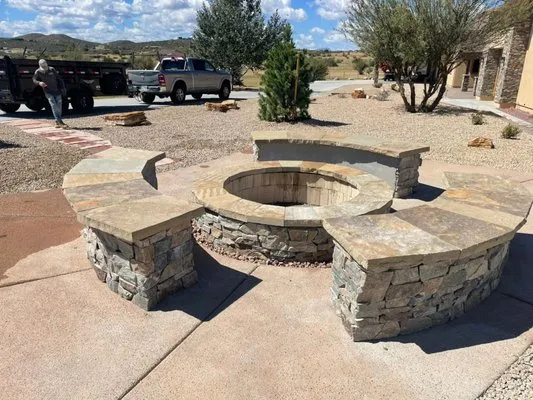
Fearno Landscaping LLC is a Chino Valley-based landscaping company specializing in comprehensive outdoor solutions for residential and commercial properties throughout Northern Arizona. With expertise...
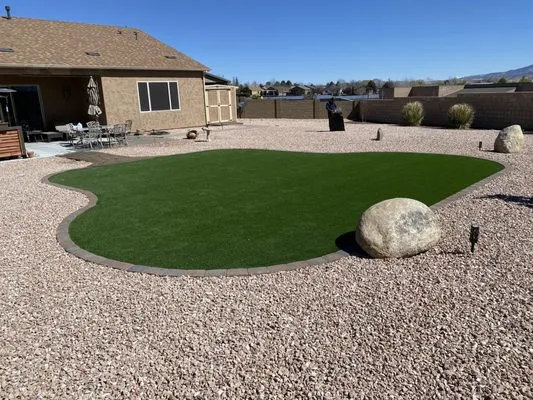
Just In Time Landscaping
Just In Time Landscaping is a locally owned and licensed landscaping company serving Prescott Valley, AZ, and surrounding areas like Prescott, Dewey, Williamson Valley, and Coyote Springs. With over a...
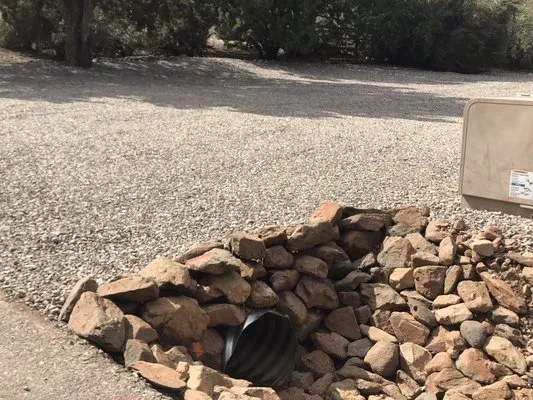
Founded by Ernesto Casillas and his father Cesar, who brings over two decades of experience, Cesar & Son's Landscaping is a family-operated business dedicated to serving the Verde Valley. We understan...
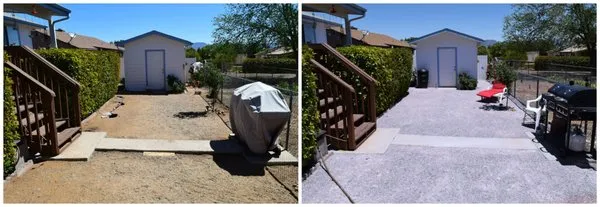
FOAK Landscaping has been a trusted local provider in Paulden and the greater Prescott Valley area since 2017. We specialize in bringing your outdoor vision to life with thoughtful landscape design, p...
Estimated Landscaping Service Costs in Flagstaff, AZ
Common Questions
A windstorm downed branches everywhere—how fast can you respond for HOA compliance?
Emergency cleanups for HOA compliance are dispatched from our central yard near Wheeler Park. Crews take I-40 eastbound to access the Original Townsite, with a standard 20-30 minute response window during peak storm events. Our fully electric fleet operates within the 7:00 AM to 7:00 PM commercial noise ordinance, allowing for immediate, quiet deployment to clear debris and mitigate liability.
Why is my soil so hard and compacted here in the Original Townsite?
Flagstaff's Original Townsite lots, averaging construction around 1991, present a 35-year soil maturity timeline. Volcanic clay loam, the native substrate, naturally compacts over decades under foot traffic and seasonal snowmelt, leading to poor permeability and soil crusting. Core aeration is critical to disrupt this pan, followed by incorporating 2-3 inches of composted organic matter to rebuild structure and enhance water infiltration for healthier root zones.
What are these invasive weeds, and how do I treat them without harming the watershed?
Common invasives here include Cheatgrass and Dalmatian Toadflax, which outcompete natives and increase fire risk. Treatment involves manual removal before seed set, followed by a targeted application of a low-phosphorus, watershed-safe herbicide outside of any local blackout dates. Always pair removal with seeding native perennials to occupy the niche, preventing re-infestation and building soil health organically.
I'm tired of constant mowing and watering—what are my native, low-maintenance options?
Transitioning to a xeriscape with Flagstaff natives like Apache Plume, Rocky Mountain Penstemon, and Cliffrose eliminates weekly mowing and drastically reduces irrigation. This biodiversity-focused landscape is inherently fire-resistant, aiding WUI Zone 1 compliance, and preempts future noise ordinances targeting gas-powered blowers. The deep root systems of these plants stabilize soil and support local pollinators year-round.
My yard floods every spring from snowmelt—what's a long-term fix?
High seasonal runoff on volcanic clay loam requires managing permeability. Installing permeable flagstone patios or pathways using local Coconino Sandstone creates voids for water infiltration, meeting Planning and Development Services' runoff standards. For severe cases, a dry well or French drain system tied to these hardscapes redirects subsurface water, preventing surface pooling and foundation issues common in older neighborhoods.
Do I need a permit to regrade my backyard on a 0.15-acre lot?
Yes, significant grading on a 0.15-acre parcel typically requires a permit from Flagstaff Planning and Development Services to ensure proper stormwater management and adherence to zoning codes. The work must be performed by a contractor licensed by the Arizona Registrar of Contractors, as improper grading can redirect runoff onto neighboring properties, creating legal liability and violating municipal drainage ordinances.
Is flagstone or wood better for a durable, fire-safe patio?
For durability and fire-wise compliance, Coconino Sandstone flagstone is superior. Unlike wood, which requires chemical treatments and degrades, stone is non-combustible and lasts decades with minimal upkeep. When installed with proper spacing for defensible space, a flagstone patio meets high Fire Wise ratings for Zone 1, providing a permanent, low-maintenance hardscape that integrates with the native aesthetic.
How can I keep my Kentucky Bluegrass alive during Stage 1 water restrictions?
Maintaining cool-season turf like Kentucky Bluegrass under voluntary conservation mandates precision. Smart ET-based Wi-Fi controllers are calibrated to Flagstaff's altitude and micro-climate, applying water only when evapotranspiration data indicates need. These systems integrate freeze sensors to prevent winter line damage and can reduce usage by up to 30% compared to traditional timers, keeping grass viable within municipal limits.
