Top Landscaping Services in Douglas, AZ, 85607 | Compare & Call

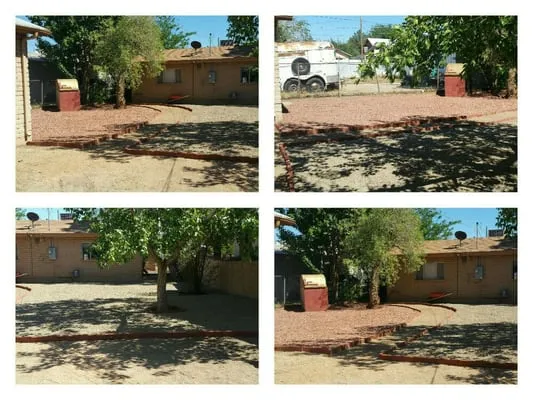
Acosta Landscape Company is a full-service, locally owned and operated landscaping partner for homeowners and businesses in Douglas, AZ, and the surrounding Cochise County area. We specialize in compr...
Fisher Repairs is your trusted local expert for plumbing, electrical, and landscaping services in Douglas, AZ. We understand the unique challenges homeowners face in our desert community, such as palm...

A&M Landscaping is a full-service landscaping company serving Douglas, AZ, and the surrounding areas. We specialize in transforming outdoor spaces with comprehensive services including lawn care, irri...
Question Answers
Is crushed granite a good choice for patios and paths here?
Crushed or decomposed granite is superior to wood for longevity in Douglas's arid climate, as it does not rot, warp, or attract pests. Its permeability aids drainage, reducing flash flood runoff. For properties in Moderate Firewise zones, this non-combustible material also contributes to defensible space when used appropriately. It provides a stable, low-maintenance surface that integrates well with the native landscape aesthetic.
Our 1960s-era yard seems hard and dry. Is this normal for the Historic District, and what can we do?
Lots built around 1968 often have soil that has compacted over nearly 60 years. In Douglas's alkaline sandy loam, this reduces permeability and organic matter. Core aeration and adding composted organic amendments are critical to improve water infiltration and support microbial life. This directly addresses the soil maturity challenge, transforming it from a compacted state to a more resilient growing medium.
Our yard washes out during summer monsoons. What's a lasting fix?
Flash flooding on alkaline sandy loam creates high aridity erosion potential. Installing permeable hardscapes like crushed granite allows water to percolate into the soil rather than sheeting off. This approach often meets the City of Douglas Planning & Zoning Department's runoff management standards. Strategic grading and dry creek beds can further direct flow and stabilize the landscape.
We see invasive weeds taking over. How should we handle them?
Common invasive species in Zone 8b, like Sahara mustard, compete with natives and increase fire risk. Treatment involves targeted mechanical removal or approved herbicides, applied carefully to avoid harming Desert Marigold or other desired plants. Douglas has minimal fertilizer restrictions, but any soil amendment should focus on nitrogen to counter the alkaline pH, and applications should avoid any published blackout dates for optimal safety.
We're tired of constant mowing. Are there quieter, lower-water options?
Replacing high-maintenance turf with climate-adaptive xeriscaping is a forward-thinking strategy. Using natives like Desert Willow, Apache Plume, and Penstemon reduces water use and bi-weekly mowing. This transition also aligns with evolving noise ordinances, as electric equipment and reduced leaf litter decrease reliance on gas-powered blowers. It's a proactive step for biodiversity and resource conservation.
We have an HOA notice for overgrowth and need immediate cleanup. How fast can you respond?
For emergency compliance, our standard service response is 20-30 minutes. A crew dispatched from near the Grand Theatre would travel via US Route 80 to reach the Historic District efficiently. We coordinate within municipal noise ordinance hours of 7:00 AM to 9:00 PM, utilizing our electric maintenance fleet to operate quietly if needed during early or late windows.
What permits and licenses are needed to regrade our yard?
Significant grading or earthwork on a 0.15-acre lot typically requires a permit from the City of Douglas Planning & Zoning Department to ensure proper drainage and adherence to codes. The contractor must hold a valid license from the Arizona Registrar of Contractors, which guarantees they are bonded and insured. This is crucial for protecting your property and ensuring the work meets structural and environmental standards for the area.
How do we keep our Bermuda grass green during Stage 1 water restrictions?
Smart Wi-Fi ET-based drip controllers are the precise solution. They schedule irrigation based on real-time evapotranspiration data, applying water only when the turf needs it and minimizing waste. This technology is essential for maintaining Bermuda grass within voluntary conservation limits. It ensures deep root hydration without exceeding municipal water use expectations for a 0.15-acre property.
