Top Landscaping Services in Congress, AZ, 85332 | Compare & Call
There are 240 landscaping companies server in Congress AZ
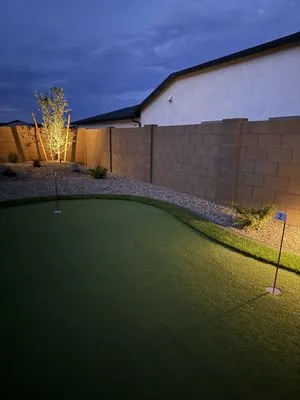
Creative Desert Landscaping in Prescott Valley, AZ, brings over 25 years of specialized experience to transforming outdoor spaces in arid climates. Led by an owner with extensive expertise, our team f...
Walking Tree Landscaping is a locally owned and operated business in Cottonwood, AZ, with over nine years of hands-on experience in the Verde Valley. We specialize in both irrigation systems and lands...
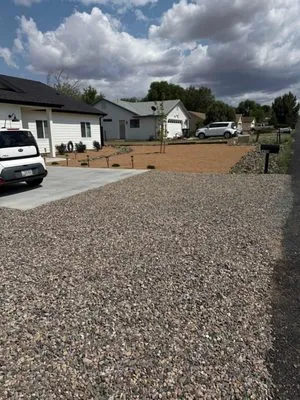
Western Landscapes is a full-service landscaping, masonry, and tree care company serving Prescott Valley, AZ. We specialize in designing and building durable outdoor spaces that thrive in our local cl...
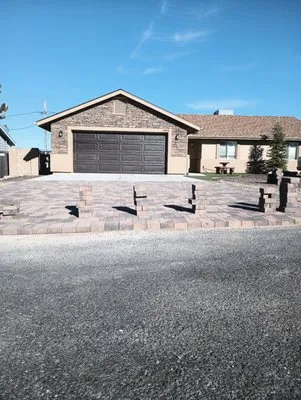
AZ Boulder is a full-service landscaping company in Prescott Valley, AZ, specializing in artificial turf, irrigation, and comprehensive landscape solutions. We help local homeowners tackle common regi...
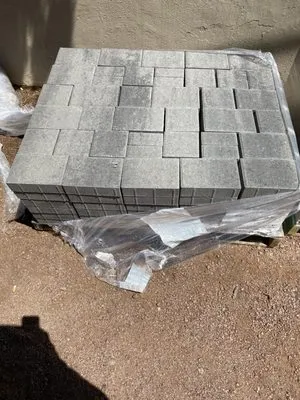
Noguez Landscaping is a trusted, locally-owned company serving Camp Verde, AZ. We specialize in comprehensive tree care and landscape maintenance to tackle the specific challenges homeowners face in o...
North Desert Contracting is a Prescott Valley-based excavation and landscaping company serving Arizona's high desert region. We specialize in earthmoving, land preparation, and irrigation systems, com...
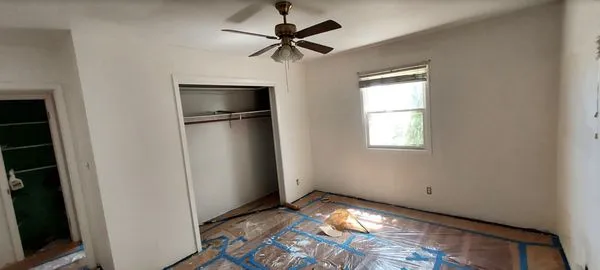
Canyon Handyman Services is your trusted local expert in Prescott Valley, AZ, offering a comprehensive range of handyman and lawn care solutions. We understand the unique challenges of our high-desert...
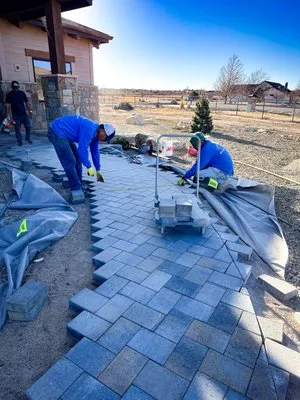
Mountain Paving LLC is a family-owned and operated business serving Prescott Valley, AZ, with over 20 years of experience in paving and landscaping. Specializing in hardscape building, they offer a co...

High Desert Tree & Lawn Care is your trusted local expert in Rimrock, AZ, specializing in tree and lawn services tailored to the harsh high desert climate. We understand the unique challenges Rimrock ...
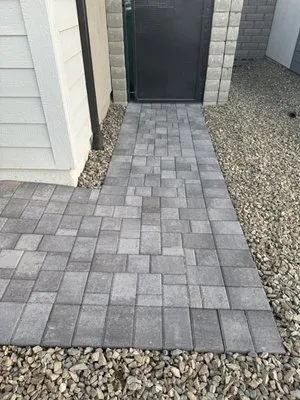
B&B Landscapes is a full-service landscaping company serving Prescott Valley, AZ, specializing in creating and maintaining beautiful, functional outdoor spaces in our unique desert climate. We offer e...
Estimated Landscaping Service Costs in Congress, AZ
Q&A
What invasive species threaten Congress landscapes?
Fountain grass and Sahara mustard present the highest invasion risk in alkaline soils. Manual removal before seed set prevents spread without chemical intervention. For established infestations, targeted glyphosate applications during active growth phases avoid Arizona's water quality guideline blackout dates. Soil solarization during summer months provides chemical-free control by raising soil temperatures to lethal levels for weed seeds and pathogens.
What prevents flash flooding on my gravelly soil property?
Alkaline gravelly sandy loam has high runoff potential during monsoon seasons. Permeable decomposed granite hardscape increases infiltration rates to 8-10 inches per hour. Strategic placement along slopes and near structures creates channels that meet Yavapai County Development Services runoff standards. French drains with gravel reservoirs provide additional capacity, reducing surface water velocity and erosion during intense rainfall events.
Why does my Congress Residential District soil seem so compacted and alkaline?
Congress lots built around 1996 now have 30-year-old soil systems. Alkaline gravelly sandy loam with pH 8.1 naturally develops surface compaction from decades of irrigation and foot traffic. This soil type in our neighborhood requires annual core aeration to improve permeability and organic amendments like composted manure to gradually lower pH toward neutral. Without these interventions, water infiltration decreases and plant nutrient availability becomes limited.
What permits and licenses are needed for grading my 1.25-acre lot?
Grading projects exceeding 1 acre require Yavapai County Development Services permits for erosion control and drainage plans. Contractors must hold Arizona Registrar of Contractors licensing for earthmoving and excavation work. This ensures proper slope stabilization, compliance with floodplain regulations, and adherence to soil disturbance limits. Unlicensed grading can result in fines up to $5,000 and mandatory restoration of unauthorized alterations.
Is decomposed granite better than wood for fire-resistant landscaping?
Decomposed granite provides superior fire resistance compared to wood hardscapes. This crushed rock material maintains structural integrity up to 1,400°F and creates defensible space required for WUI Zone 1 compliance. Unlike wood, it doesn't require chemical fire retardants that can leach into soil. The material's natural permeability also supports drainage while eliminating combustible organic matter from high-risk perimeter zones.
How quickly can you respond to storm damage for HOA compliance?
Emergency cleanup crews dispatch from the Congress Post Office area via AZ-89. During peak storm conditions, travel time to Congress Residential District properties averages 45-60 minutes. We prioritize downed branches, flash flood debris, and safety hazards that violate HOA covenants. Our electric maintenance fleet operates within municipal quiet hours (10 PM-7 AM) to address time-sensitive compliance issues without noise ordinance violations.
Should I replace traditional turf with native plants?
Transitioning to Desert Spoon, Parry's Agave, Desert Marigold, and Apache Plume reduces maintenance frequency by 70%. These natives require no mowing, minimal irrigation, and support local pollinator populations. The shift aligns with emerging 2026 biodiversity standards and prepares for potential gas-blower restrictions under noise ordinances. Electric maintenance equipment handles native landscape care efficiently while reducing carbon emissions.
How do I maintain Buffalograss during Stage 1 water restrictions?
Smart Wi-Fi ET-based controllers calculate evapotranspiration rates specific to Congress microclimates. These systems adjust irrigation schedules daily based on temperature, humidity, and solar radiation data. For Buffalograss or Blue Grama turf, this technology reduces water use 20-30% while maintaining dormancy cycles. Programming follows municipal voluntary conservation guidelines by eliminating runoff and scheduling watering during optimal absorption windows.
