Top Landscaping Services in Casas Adobes, AZ, 85704 | Compare & Call

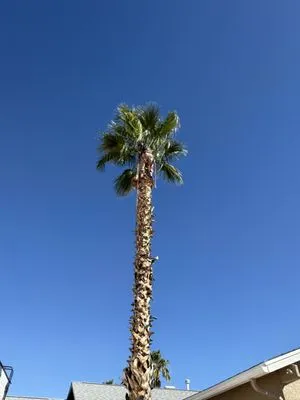
NW Tucson Landscaping Service was founded by a team combining over 15 years of hospitality experience with nearly four decades of professional landscaping expertise. Based in Casas Adobes, we apply th...
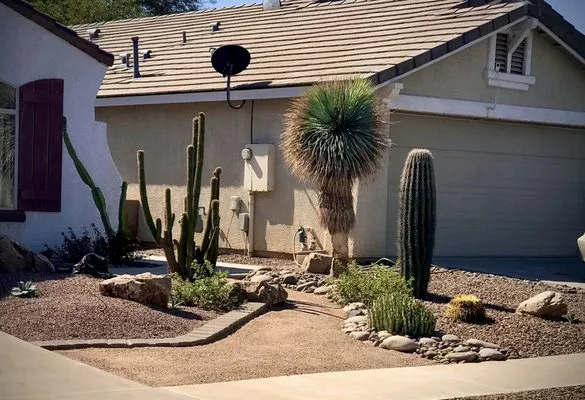
Del Oro Landscape & Design is a Casas Adobes-based landscaping company with over 20 years of experience serving the Tucson area. Owner Brad Turner brings a perfectionist's attention to detail and genu...
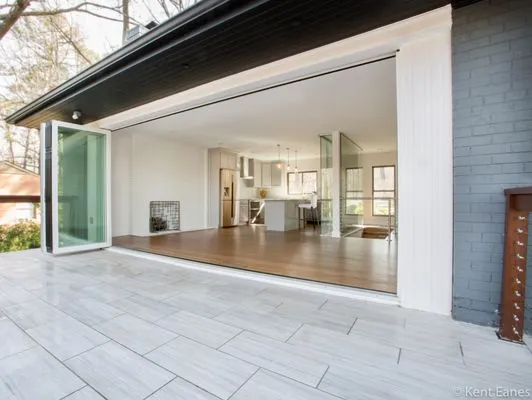
Mikado Architecture is a Casas Adobes-based design-build firm founded by architect Stefan Mikado, who brings over a decade of experience and a deep understanding of the Southwest's unique landscape. G...

Slay's Landscaping is a trusted local landscaping company serving Casas Adobes, AZ, specializing in landscaping, tree services, and irrigation. We understand the unique challenges of desert landscapin...

Laura's Landscaping and More provides expert landscaping solutions for homes in Casas Adobes, AZ. We specialize in creating and maintaining beautiful, resilient outdoor spaces suited to our desert cli...
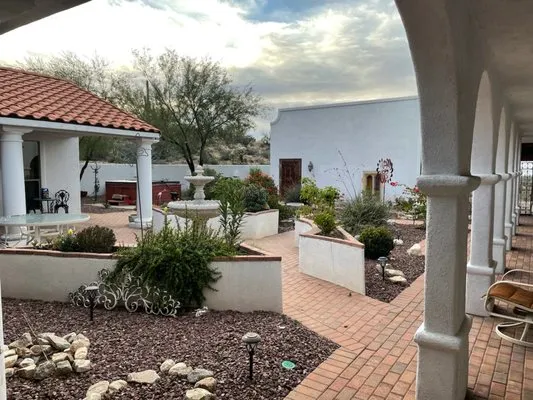
Alkaline Irrigation is a trusted local provider in Casas Adobes, AZ, specializing in irrigation, landscaping, and outdoor lighting services. We focus on creating drought-friendly irrigation systems an...
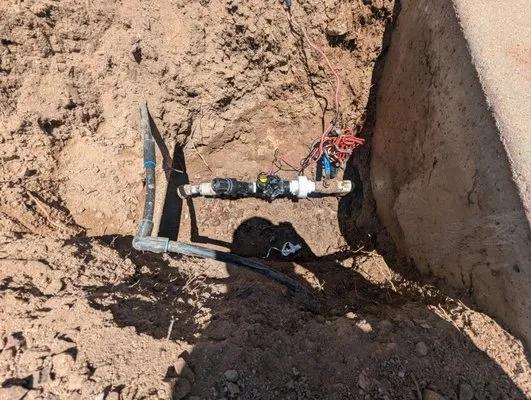
Lopez Landscaping is a trusted, full-service landscaping company serving Casas Adobes, AZ, and the surrounding areas. Specializing in gardening, lawn care, and comprehensive tree services, we help hom...
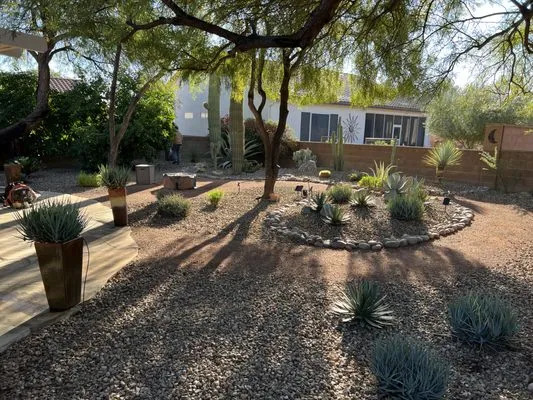
Julio Lopez Landscaping is a full-service Casas Adobes company dedicated to building and maintaining beautiful, functional outdoor spaces. We specialize in comprehensive solutions from hardscaping lik...

Hilltop Landscaping is a trusted local company serving the Casas Adobes, AZ community with tailored property care. We understand the unique challenges homeowners face here, particularly the common iss...
Avra Valley Landscaping is a Casas Adobes-based landscaping company dedicated to solving the unique challenges of our local climate. We specialize in addressing the common issue of sunburned turf gras...
Questions and Answers
Is decomposed granite a better choice than wood for patios and paths in our area?
For longevity and fire resilience, decomposed granite is superior. Unlike wood, it does not rot, warp, or attract termites, and it provides a stable, permeable surface. In our Firewise zone, using non-combustible materials like crushed rock for patios and pathways within the critical defensible space around your home is a recommended best practice for reducing wildfire fuel loads and enhancing property safety.
Is there a lower-maintenance, quieter alternative to my traditional lawn?
Absolutely. Transitioning to a climate-adaptive xeriscape with natives like Desert Willow, Ocotillo, and Penstemon significantly reduces water, mowing, and blowing needs. This approach future-proofs your landscape against tightening noise ordinances targeting gas-powered blowers and aligns with 2026 biodiversity goals. These plants are evolved for our alkaline soil and provide superior habitat value compared to a monoculture turf grass.
What invasive pests or weeds should I be on the lookout for here?
Fountain grass and buffelgrass are high-priority invasive species that pose a significant fire risk in our Moderate (WUI Zone 2) rating area. Manual removal before seed set is most effective. For treatment, use targeted, nitrogen-based herbicides applied during active growth periods, carefully timing applications outside of any potential local fertilizer ordinance blackout dates to ensure environmental and regulatory compliance.
My yard floods during summer rains. What's the cause and a lasting solution?
This is a classic symptom of the high runoff hazard from Casas Adobes' caliche layer. Water cannot infiltrate the compacted soil, causing rapid surface flow. Regrading to create positive drainage away from structures is the first step. For hardscapes, using permeable materials like decomposed granite instead of solid concrete allows water to percolate, meeting Pima County runoff standards and recharging groundwater rather than overwhelming street drains.
What permits and credentials are needed for significant grading or landscape construction on my 0.35-acre lot?
Any significant grading that alters water flow or involves retaining walls over a certain height requires a permit from Pima County Development Services. Furthermore, the contractor performing this work must hold a valid license from the Arizona Registrar of Contractors—specifically a K-11 (Landscaping) or L-21 (Drainage) license. This ensures they are bonded, insured, and legally accountable for work that affects your property's structural integrity and drainage compliance.
With Stage 1 water restrictions, how do I keep my TifTuf Bermuda healthy without wasting water?
Stage 1 voluntary conservation mandates precision. A Wi-Fi ET-based smart controller is critical, as it automatically adjusts runtime based on real-time evapotranspiration data and local weather forecasts. This technology applies water only when the turf genuinely needs it, preserving TifTuf Bermuda's drought tolerance while staying well within municipal water budgets. It effectively eliminates the guesswork and overwatering common with manual schedules.
How quickly can a crew respond for an emergency cleanup or to address an HOA notice?
For urgent HOA compliance or storm-related cleanup in Casas Adobes Estates, our standard dispatch originates from our staging area near Casas Adobes Plaza. Using I-10, we plan for a 45 to 60-minute arrival window during peak congestion or monsoon response scenarios. This routing logic ensures we can mobilize efficiently while adhering to the local noise ordinance, which prohibits equipment operation before 7:00 AM.
Why does my Casas Adobes Estates soil seem so hard and dry, even after watering?
Lots in this 1986-era neighborhood have had four decades for the underlying alkaline calcareous sandy loam to mature, resulting in a dense, compacted layer called caliche. This layer, with a pH of 8.1, severely limits water percolation and root penetration. Annual core aeration and the addition of organic compost are not just beneficial but essential to break up this compaction and improve soil biology, directly countering the natural hardening process of four decades.
