Top Landscaping Services in Buckeye, AZ, 85326 | Compare & Call

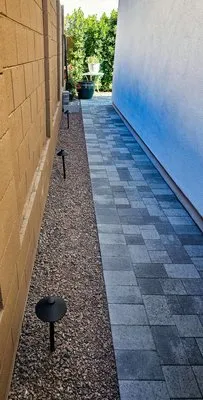
Four Sons Landscaping is a family-owned and operated business proudly serving Buckeye, AZ. We build lasting relationships with our neighbors through a personalized approach, quality workmanship, and m...
Alex Landscaping Services
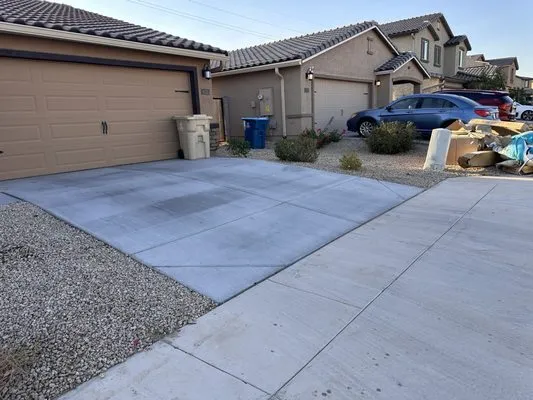
Alex Landscaping Services is a trusted local provider in Buckeye, AZ, specializing in comprehensive tree care and landscape solutions. We understand the unique challenges Buckeye homeowners face, such...
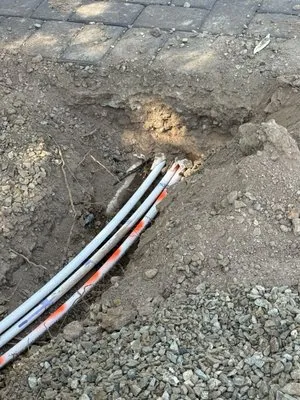
Common Ground Landscaping in Buckeye, AZ, is a full-service landscaping company specializing in both design and construction to create durable, functional outdoor spaces. We offer comprehensive servic...
Since 1995, West Valley Rock has been a trusted, licensed supplier of landscaping and construction materials for Buckeye and the wider region. We operate three quarries to provide a comprehensive sele...

Desert West Landscape is a locally owned and operated landscaping company dedicated to maintaining and enhancing outdoor spaces in Buckeye, AZ. We specialize in providing reliable, comprehensive care ...
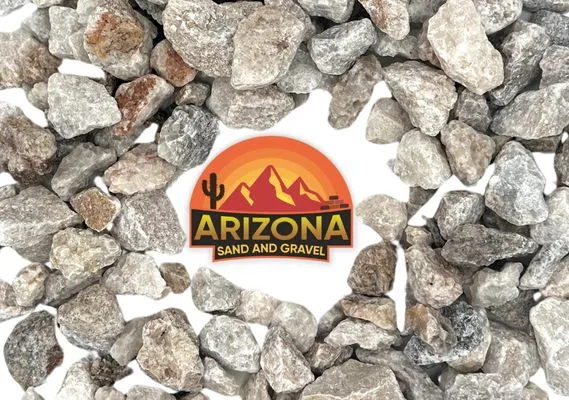
Arizona Sand and Gravel is a licensed, bonded, and insured landscaping materials supplier serving Buckeye, AZ, and the surrounding communities. We provide a comprehensive inventory of essential materi...
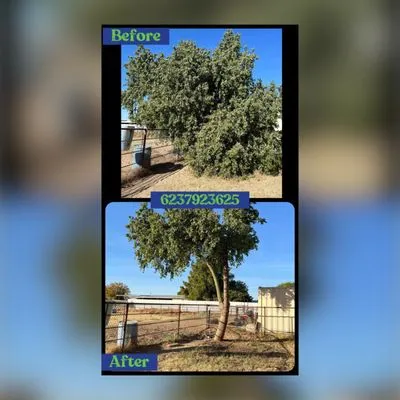
HM Landscape & Paint is a full-service landscaping company serving Buckeye, AZ, specializing in both residential and commercial projects. We offer comprehensive solutions including landscape design, i...
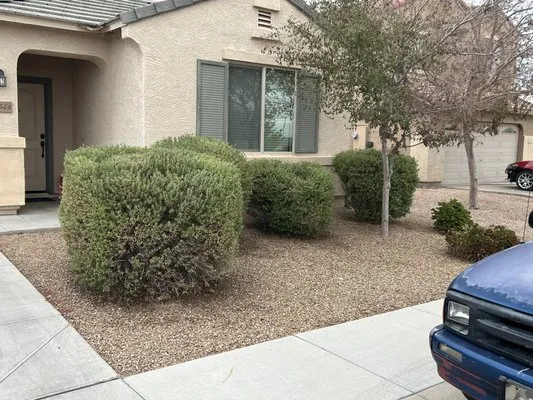
SRZ Landscaping is your local, full-service landscaping partner based in Buckeye, AZ, serving the West Valley communities of Goodyear, Avondale, and Glendale. We specialize in transforming and maintai...
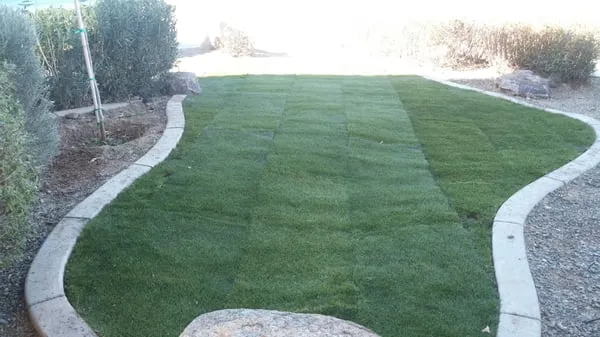
Affordable Lawn Care is your trusted local partner for all your landscaping needs in Buckeye, AZ. We specialize in tree services, landscaping, and irrigation to help homeowners maintain beautiful, hea...
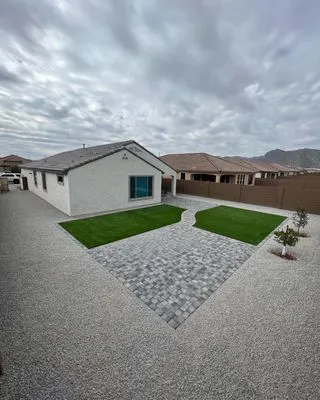
Desert Pointe landscape
Desert Pointe Landscape is a full-service landscaping company serving Buckeye, AZ, specializing in creating and maintaining beautiful, functional outdoor spaces that thrive in our desert climate. We o...
Questions and Answers
How quickly can you respond to an HOA violation notice for overgrown vegetation?
Our emergency cleanup team can typically reach Verrado properties within 35-50 minutes during peak hours. We dispatch from near Buckeye City Hall and take I-10 directly to your neighborhood. For urgent HOA compliance issues, we prioritize same-day service with electric equipment that meets standard decibel limits. This rapid response prevents escalation of violation notices while maintaining neighborhood standards during the active growing season.
What are my options for reducing lawn maintenance while staying ahead of potential equipment regulations?
Transitioning high-maintenance turf to native plantings like desert marigold, brittlebush, and globe mallow significantly reduces water and maintenance needs. These species require minimal pruning and no gas-powered blowers, aligning with evolving noise ordinance trends. Native landscapes support local pollinators while providing year-round interest with seasonal blooms. This approach creates resilient, low-input gardens that thrive in Buckeye's Zone 9b climate.
Is decomposed granite or wood better for patio surfaces in fire-prone areas?
Decomposed granite provides superior fire resistance compared to wood, meeting Moderate Fire Wise Rating requirements for defensible space. This inorganic material won't combust during wildfire events and requires no chemical treatments. Arizona Gold decomposed granite maintains stability in extreme temperatures while allowing water infiltration. For WUI Zone 2 compliance, non-combustible hardscapes create safer perimeter zones around structures.
Why does my Verrado yard have such hard, compacted soil that water just runs off?
Buckeye's calcareous sandy loam soil naturally tends to compaction, especially in newer developments. With homes averaging 2009 construction, your soil has had 17 years to settle without significant organic amendment. This soil type has low permeability and high pH (8.1), which reduces water infiltration and nutrient availability. Core aeration with compost topdressing can improve soil structure and microbial activity. Adding organic matter helps break up compaction while maintaining the soil's natural alkaline character.
My yard floods during monsoon season - what solutions work with Buckeye's soil conditions?
Calcareous sandy loam has low infiltration rates, creating flash flood risks during heavy rains. Permeable decomposed granite hardscaping allows water to percolate through rather than running off. This Arizona Gold material meets Buckeye Development Services Department runoff standards while providing stable surfaces. Strategic grading and French drains can redirect water flow away from structures, addressing the soil's natural drainage limitations.
What permits and licenses are needed for regrading my 0.22-acre property?
Significant grading work requires permits from Buckeye Development Services Department and must be performed by Arizona Registrar of Contractors licensed professionals. On lots this size, proper drainage planning and soil stabilization are regulated to prevent neighborhood runoff issues. Licensed contractors understand local soil conditions and can engineer solutions that meet municipal standards. This ensures work complies with erosion control and water management regulations specific to Verrado's development patterns.
How do I keep my Bermuda grass green during Buckeye's Stage 1 water restrictions?
Smart Wi-Fi ET-based irrigation systems adjust watering schedules using real-time weather data and evapotranspiration rates. This technology reduces Tifway 419 Bermuda water use by 20-30% while maintaining turf health. The system automatically accounts for temperature, humidity, and wind conditions specific to your Verrado microclimate. This approach meets voluntary conservation goals while preventing drought stress during Arizona's hottest months.
How do I control invasive weeds without violating fertilizer regulations?
Targeted spot treatments using selective herbicides during optimal growth periods effectively manage invasive species. Arizona's Best Management Practices for nitrogen focus on proper timing and application rates to prevent runoff. Mechanical removal before seed set provides chemical-free control for many annual weeds. Maintaining healthy soil through organic amendments creates competitive conditions that naturally suppress weed establishment without fertilizer overuse.
