Top Landscaping Services in Blue Ridge, AZ, 86024 | Compare & Call
There are 236 landscaping companies server in Blue Ridge AZ
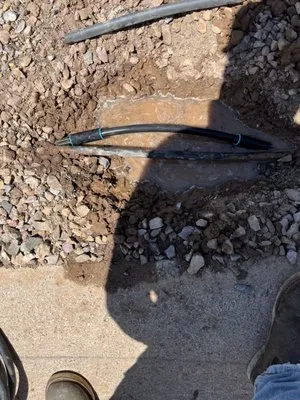
D’ McGuire’s Landscaping Services
D' McGuire's Landscaping Services is a family-owned business serving Phoenix and the surrounding valley areas. Owned by Sherman McGuire, we specialize in comprehensive landscaping solutions including ...
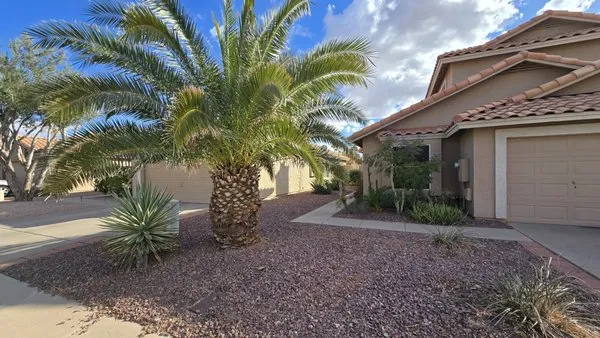
Landscaping El Saguaro provides comprehensive landscaping and tree care services to Phoenix homeowners and businesses. Specializing in irrigation construction, repair, and maintenance, we directly tac...
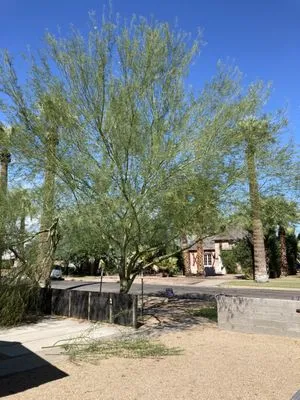
For over eight years, Landeros Landscaping has been helping Phoenix homeowners transform their yards. We specialize in a comprehensive range of services, from complete landscape design and installatio...
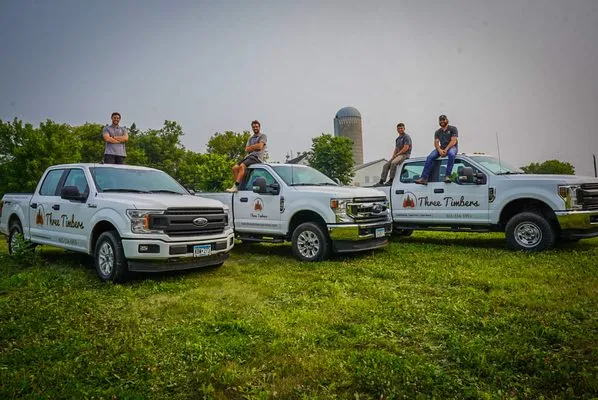
Three Timbers is a Scottsdale-based landscaping company founded on a unique blend of youthful enthusiasm and professional systems. What began 10 years ago as three 14-year-old friends helping neighbor...
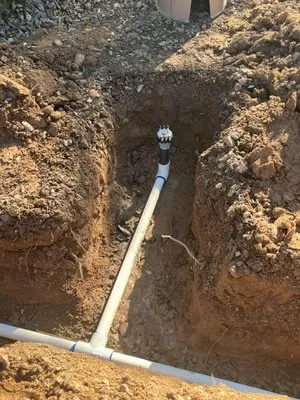
Complete Irrigation Services LLC is a licensed and bonded irrigation and landscaping company serving Mesa and the greater Phoenix Valley since 2019. Founded by owner Harving D. Castro, who brings over...
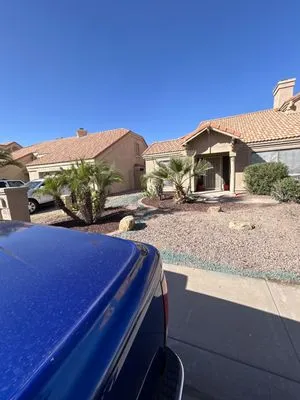
Webb Landscaping has been serving Peoria, AZ for over 12 years, providing reliable landscaping and tree services with a commitment to quality and customer satisfaction. Specializing in everything from...
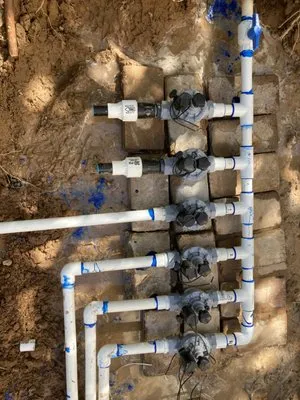
Complete Landscape Management is a Phoenix-based, owner-operated landscaping company founded on over a decade of hands-on field experience. Starting in the industry at age 15, the owner launched the b...
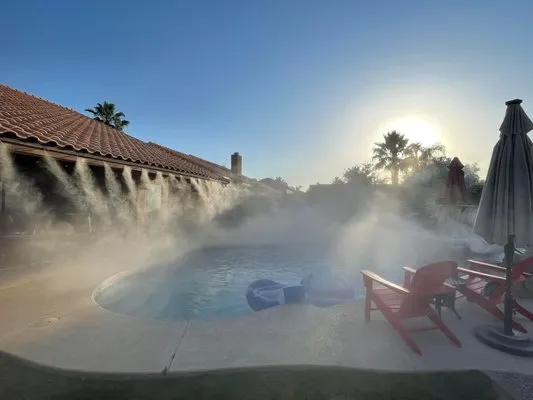
Exterior Tech Services is a Phoenix-based landscaping company founded in 2017 by two brothers with deep roots in construction trades. Growing up helping family in construction and gaining experience a...
Desert Am Landscape is a trusted, full-service landscaping company serving homeowners throughout Phoenix, Arizona. We specialize in creating and maintaining beautiful, resilient outdoor spaces designe...
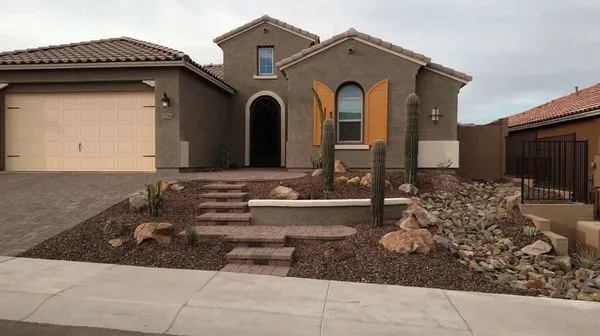
J and J Landscaping has been serving Anthem, AZ, and the surrounding Valley communities for over 25 years, providing reliable landscaping solutions for both residential and commercial properties. As a...
Estimated Landscaping Service Costs in Blue Ridge, AZ
FAQs
What alternatives exist for high-maintenance turf that reduce noise and water use?
Transitioning to native plant communities featuring Ponderosa Pine, Apache Plume, and Rocky Mountain Penstemon reduces maintenance frequency by 60-70%. These drought-tolerant species require minimal irrigation once established and eliminate weekly mowing. The shift supports 2026 biodiversity standards while preempting stricter gas-blower restrictions under evolving noise ordinances. Native landscapes also provide better habitat for local pollinators and require no chemical fertilizers.
We're seeing invasive plants spreading. How do we treat them safely?
Common invasive alerts in USDA Zone 6b include cheatgrass and spotted knapweed, which outcompete natives. Manual removal before seed set is most effective, followed by targeted spot treatments using EPA-approved herbicides. All treatments must follow Best Management Practices for nitrogen application, avoiding blackout dates typically from late October through March. Establishing competitive native groundcovers like creeping mahonia prevents reinfestation without violating local fertilizer ordinances.
Water runs straight down our steep slope, causing erosion. What solutions work here?
Volcanic cinder-loam soils in Blue Ridge have moderate permeability but require engineered solutions for steep slopes. Permeable crushed cinder or flagstone hardscapes allow 80-90% water infiltration, meeting Coconino County runoff standards. French drains with clean cinder backfill redirect subsurface water, while terraced planting beds with deep-rooted natives like Gambel Oak stabilize soil. These approaches reduce erosion by creating multiple water infiltration points across the slope.
Our Blue Ridge Estates yard seems compacted and drains poorly. What's happening with our soil?
Blue Ridge Estates homes built around 1999 have volcanic cinder-loam soil that is now 27 years mature. This soil type naturally compacts over time, reducing permeability and creating drainage issues. Core aeration every 2-3 years is essential to improve oxygen flow and water infiltration. Adding 2-3 inches of organic compost annually will rebuild soil structure and support healthy root systems for your Kentucky Bluegrass.
Should we use wood or stone for our new patio in this fire-prone area?
Crushed cinder or flagstone hardscapes provide superior fire resistance compared to wood, crucial in Extreme Fire Wise Zone 1 areas. These materials maintain defensible space requirements by not contributing to fire spread. Cinder's volcanic origin makes it naturally fireproof, while flagstone retains minimal heat. Both materials last 25+ years with minimal maintenance, unlike wood that requires annual treatments and deteriorates in Blue Ridge's freeze-thaw cycles.
We need emergency storm cleanup before an HOA inspection tomorrow. How quickly can you respond?
Emergency response from the Blue Ridge Ranger Station via AZ-87 typically requires 45-60 minutes during peak conditions. Our electric maintenance fleet operates within the 65 dB residential noise limits, allowing early morning or late evening work if needed. We prioritize safety protocols for steep slope runoff areas common in Blue Ridge Estates while ensuring HOA compliance standards are met.
How do we keep our lawn green during Stage 1 water restrictions?
Smart Wi-Fi ET-based drip controllers adjust watering schedules using real-time evapotranspiration data from local weather stations. This technology reduces Kentucky Bluegrass irrigation by 30-40% while maintaining turf health. The system automatically complies with municipal water limits by skipping cycles during rainfall events. Properly calibrated ET controllers can maintain acceptable turf quality with just 1-1.5 inches of water weekly during peak summer months.
What permits and licenses are needed for grading our half-acre property?
Grading work on 0.50-acre lots in Coconino County requires an engineered grading plan approved by Community Development. Contractors must hold specific licensing through the Arizona Registrar of Contractors for earthmoving and erosion control. The permit process evaluates slope stability, drainage patterns, and compliance with WUI Zone 1 defensible space requirements. Unlicensed grading can result in significant fines and may void property insurance in high-fire-risk zones like Blue Ridge Estates.
