Top Landscaping Services in Big Park, AZ, 86341 | Compare & Call

There are 11 landscaping companies server in Big Park AZ
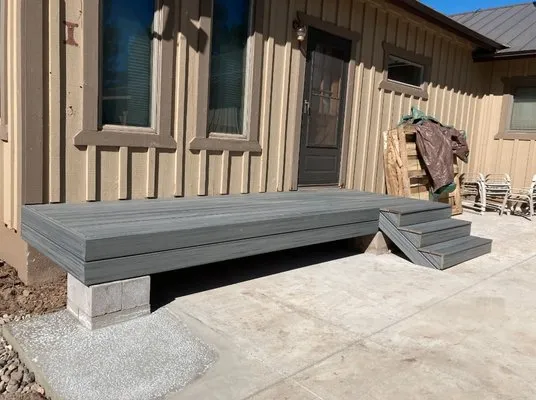
M3 Scape Creations is a Flagstaff-based landscaping and outdoor construction company serving Northern Arizona within a 50-60 mile radius. With over three years of experience, we specialize in creating...
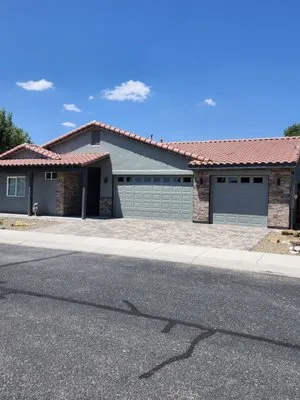
Andrade’s Hardscaping and Landscaping
Andrade’s Hardscaping and Landscaping is a family-owned business with three generations of craftsmanship serving Sedona, AZ. We specialize in creating resilient, beautiful outdoor spaces designed for ...
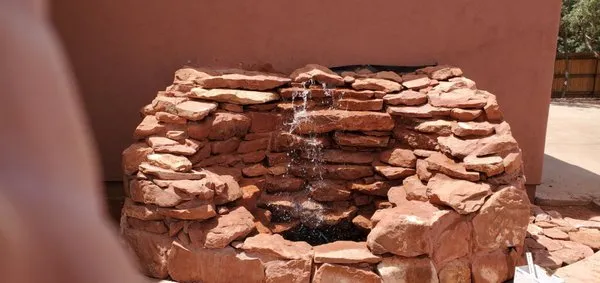
Founded as a family vision in 2016, Reliable Hauling LLC was established by a father with the hope that one of his children would one day continue the tradition. For over three years, we have served S...
For over 25 years, Hometown Handyman's owner, Josh, has been solving problems for Cottonwood residents. His journey started early, rebuilding small engines at 13 under the guidance of his father and g...
Elemental Worx is a full-service landscaping company serving Cottonwood, AZ, dedicated to creating and maintaining beautiful, resilient outdoor spaces tailored to our unique desert climate. We special...

For over 13 years, JR General Home Repair & Hardscape has been a trusted family-owned business serving Rimrock and the surrounding Verde Valley. Founded on a foundation of hands-on experience in home ...
Green Earth has been a cornerstone of the Verde Valley for over four decades. With 42 years of experience, our team has been responsible for much of the commercial landscaping you see throughout the r...
Get-R-Done Landscape is your full-service partner for transforming outdoor spaces in Cottonwood, AZ. We address the area's common challenges of cracked soil and dust buildup with comprehensive solutio...

Sedona New Earth Landscaping has been a trusted name in Cottonwood, AZ, since 1990, bringing over 30 years of expertise to both residential and commercial properties. Founded on Ami's natural gift for...
Brothers Family Tree Landscaping, LLC is a locally owned and operated Sedona company dedicated to solving the unique landscaping challenges of our high-desert community. We understand that Sedona home...
Estimated Landscaping Service Costs in Big Park, AZ
Question Answers
What should we verify before hiring someone to regrade our 0.35-acre lot?
Any significant grading or earthwork on a 0.35-acre parcel requires verification of both a Yavapai County Development Services permit for the scope of work and the contractor's license with the Arizona Registrar of Contractors (ROC). The ROC license ensures the contractor carries the necessary bonding and insurance. This is crucial for protecting yourself from liability, as improper grading can negatively impact drainage on your own and neighboring properties, leading to erosion or water intrusion issues.
Is a wood deck or a gravel patio better for our fire-prone area?
Given Big Park's High Fire Wise rating (WUI Zone 1), non-combustible materials are paramount for defensible space. Permeable Decomposed Granite is a superior choice to wood for longevity, fire resistance, and drainage. It requires no sealing, won't rot or splinter, and its permeability helps manage the flash flood runoff common here. A properly installed DG patio contributes to NFPA 1144 compliance by creating a firebreak and reducing flammable materials adjacent to the home.
Our yard washes out during monsoons. What's a lasting solution?
Calcareous Sandy Loam in this region has a crusting tendency, leading to high erosion risk and flash flood runoff. The solution combines grading to redirect flow and using permeable materials like Sedona Red Decomposed Granite for paths and patios. This material allows water to infiltrate directly into the subsoil, reducing surface runoff velocity. Any significant regrading or drainage structure installation should be designed to meet Yavapai County Development Services' runoff and erosion control standards.
How do we keep our Buffalograss alive during voluntary water conservation?
Under Stage 1 Voluntary Conservation, the key is precision. Wi-Fi ET-based weather-sensing controllers adjust drip irrigation schedules daily based on actual evapotranspiration data, applying water only when and where the plants need it. This technology is critical for drought-adapted grasses like Buffalograss and Blue Grama, as it prevents overwatering that can trigger fungal issues in our climate. Converting spray heads to drip for shrub beds further reduces waste, keeping your landscape resilient within municipal guidelines.
We want to reduce mowing and blower noise. What should we plant?
Transitioning turf areas to a palette of natives like Apache Plume, Desert Marigold, Arizona Fescue, Parry's Agave, and Cliffrose dramatically cuts maintenance. These plants require no mowing, minimal watering once established, and their dropped leaves or seed heads provide natural mulch, eliminating the need for gas-powered blowers. This forward-thinking design aligns with evolving noise ordinances and creates a fire-adapted, biodiverse landscape that supports local pollinators.
We see invasive grasses. How do we treat them without harming the soil?
Invasive species like foxtail barley or medusahead grass are a significant alert in our area. Treatment involves targeted mechanical removal or careful spot-application of herbicide, strictly following Best Management Practices (BMPs) for Phosphorus reduction to protect watersheds. It's critical to avoid broadcast fertilizer applications that can feed the invaders. Following treatment, reseeding with competitive natives like Arizona Fescue helps restore ecological balance and soil health.
We have an HOA compliance notice for overgrowth. How quickly can a crew address it?
An emergency cleanup crew can typically be dispatched from the Bell Rock Trailhead area within the same business day. Routing via SR 179 allows for a consistent 25-35 minute arrival to most Big Park Village addresses, barring major storm events. Operations will comply with the decibel-limited daytime ordinance (6 AM to 8 PM), utilizing electric equipment where possible to meet noise standards while achieving rapid compliance.
Our 1990s-era Big Park Village yard seems to struggle. What's the likely soil issue?
Homes built around 1990 in this area sit on 35-year-old, disturbed Calcareous Sandy Loam. This soil has high alkalinity (pH 7.9-8.2) and becomes compacted over decades, severely limiting water percolation and root penetration. Core aeration and incorporating compost are not just beneficial but necessary to rebuild soil structure and introduce organic matter. This process directly addresses the native soil's low water-holding capacity and improves nutrient availability for both turf and native plantings.
