Top Landscaping Services in Wrightsville, AR, 72183 | Compare & Call
There are 103 landscaping companies server in Wrightsville AR

Lawnserve of AR is a family-owned lawn care business based in Maumelle, Arkansas, just outside Little Rock. We provide professional, full-service lawn care with a personal touch, treating every yard a...
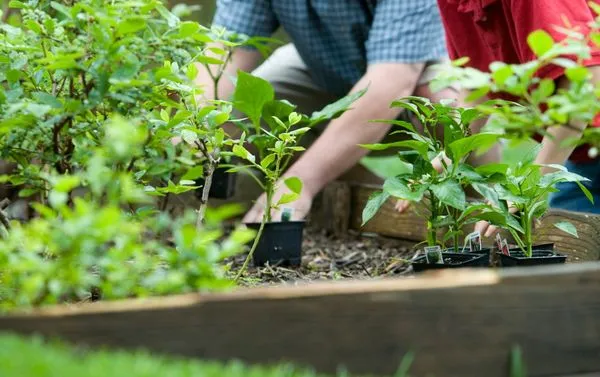
Meticulous Landscapes is a veteran-owned, family-operated landscaping company serving Jefferson and all of Central Arkansas. Founded by a husband-and-wife team—Michael with over 15 years of hands-on e...

Moore Earthworks is a Benton-based excavation and landscaping company with over 25 years of experience serving the local community. We specialize in grading, drainage solutions, landscaping, demolitio...

Founded in 2017, A & M Home Improvement is a Sherwood-based, full-service company dedicated to enhancing your home and property. We combine skilled craftsmanship with a straightforward, customer-focus...
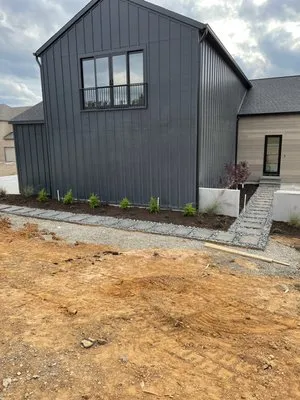
Miller Mowing & Lawncare is a full-service landscaping company serving Little Rock, AR, specializing in comprehensive outdoor solutions. We address common local issues like tree root lawn damage and y...
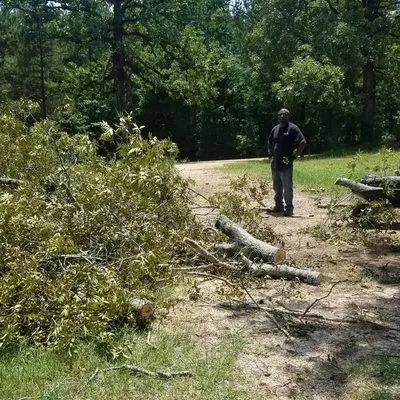
Rush Repairs of Central Arkansas was founded in Little Rock out of a simple, personal need. The owner, a single mother, knew the struggle of finding reliable, affordable help for home maintenance task...
Lawn Love Lawn Care provides comprehensive lawn and landscape services for homeowners across Little Rock. We specialize in solving common local landscaping challenges, such as fixing leaky sprinkler h...
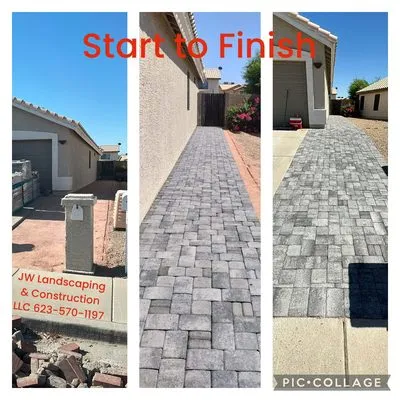
JW Landscaping has been a trusted name in Rison, AR, since 2000, evolving from a dedicated maintenance service into a full-service landscape partner. We understand the unique needs of local properties...
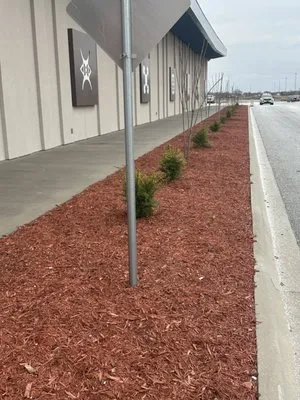
4 Yates Family is a trusted, family-owned lawn service provider serving Little Rock, AR. We specialize in comprehensive lawn care, with a keen understanding of common local challenges like poor lawn l...
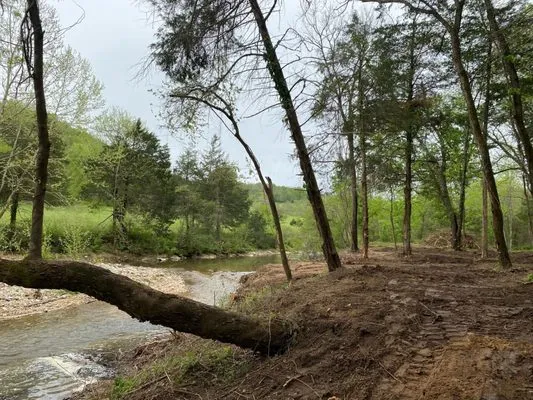
Strickland Land Services is your local Dennard, AR partner for managing your land from the ground up. We specialize in forestry mulching, a highly efficient method that clears overgrowth and leaves be...
Estimated Landscaping Service Costs in Wrightsville, AR
Questions and Answers
My yard floods after heavy rain. What is a permanent solution?
High runoff is typical here due to the underlying impermeable clay subsoil. Effective solutions address permeability at the surface. Replacing solid concrete with permeable concrete or crushed limestone for driveways and patios allows water to infiltrate. These materials, combined with French drains and rain gardens, manage stormwater on-site. This approach often meets Pulaski County Planning & Development standards for reduced runoff from improved lots.
How can I keep my lawn healthy under Stage 1 water conservation rules?
Smart Wi-Fi ET-based irrigation systems are calibrated for Wrightsville's climate and soil. They use real-time evapotranspiration data and weather sensing to apply water only when and where your Centipede or Zoysia grass needs it. This technology prevents overwatering, directly supporting voluntary conservation goals. Properly programmed, it maintains turf health while reducing total municipal water use by matching irrigation to actual plant demand.
How fast can you respond for an emergency tree cleanup after a storm?
Our electric maintenance fleet is dispatched from the Wrightsville City Park area. Using I-530, we can typically reach most addresses in Wrightsville Proper within a 20 to 30 minute window during peak response times. This rapid deployment is optimized for storm damage assessment and immediate debris management to secure property and restore access, aligning with HOA compliance timelines.
Is crushed limestone or wood better for a new patio and path?
Crushed limestone or permeable concrete offers superior longevity and fire resilience compared to wood. In Wrightsville's Moderate Wildland-Urban Interface rating, these non-combustible materials help create defensible space. They also integrate better with the native soil pH and do not decompose or require chemical treatments. This results in a durable, low-maintenance surface that manages water runoff effectively.
Do I need a permit to regrade my yard or install a drainage system?
Yes. Significant grading or drainage work on a 0.45-acre lot typically requires review by the Pulaski County Planning & Development permit office to ensure compliance with erosion control and stormwater regulations. Furthermore, this work must be performed by a contractor licensed by the Arkansas Contractors Licensing Board. This licensing guarantees adherence to state standards for excavation, structural earthwork, and public safety.
What are low-maintenance alternatives to a traditional grass lawn?
Transitioning sections of high-input turf to a palette of Arkansas natives like Purple Coneflower, Switchgrass, American Beautyberry, and Eastern Redbud reduces water, fertilizer, and mowing demands. These plants support local biodiversity and require no gas-powered blowers for cleanup, aligning with future noise ordinance trends. This xeriscaping principle builds a resilient landscape that thrives in Zone 8a with minimal intervention.
Why does my soil seem so compacted and poor compared to my neighbors?
Properties in Wrightsville Proper built around 1985 have a soil age of approximately 41 years. The original acidic silty loam has been repeatedly compacted by construction and maintenance, forming a dense clay subsoil layer with poor permeability. This common condition limits root growth and water infiltration. Corrective action requires core aeration and amending with composted organic matter to rebuild soil structure and biological activity.
What should I do about invasive weeds without harming my garden?
Common invasive alerts for this area include Japanese honeysuckle and Chinese privet. Manual removal is most effective for small infestations. For larger areas, targeted herbicide application must follow State BMPs for phosphorus, avoiding prohibited dates to protect watersheds. Promoting dense growth of native plants is the best long-term defense, as they outcompete invaders and support a healthy soil microbiome.
