Top Landscaping Services in West Fork, AR, 72774 | Compare & Call
There are 111 landscaping companies server in West Fork AR
Parker Lowe Landscaping is a trusted Fayetteville-based company dedicated to creating and maintaining beautiful, healthy outdoor spaces. We understand the common local challenges homeowners face, such...
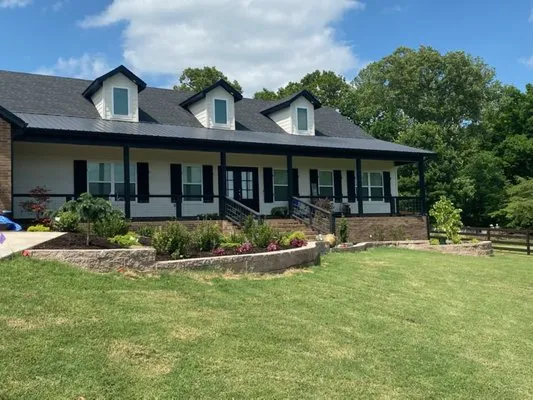
NWA Creative Spaces
NWA Creative Spaces is a family-owned landscaping company based in Rogers, AR, with over 25 years of experience serving Northwest Arkansas and surrounding communities like West Fork. We specialize in ...
7K Lawn Care & Landscaping is your local, trusted partner for a healthy and beautiful outdoor space in West Fork, AR. We specialize in comprehensive landscape maintenance and expert tree care services...

West Termite, Pest & Lawn is a locally owned and operated pest control and lawn care provider serving Lowell, Arkansas, and surrounding areas. Founded in 2003 by Randy and Susan West, the company brin...
Lawn Love Lawn Care provides professional lawn and garden services to homeowners in Fayetteville, AR. We specialize in addressing the common local challenges of lawn insect damage and overgrown hedges...
E&R Landscaping is a Fayetteville-owned business built on a simple, powerful idea: great lawn care should come from people who care about the craft. Co-founders Layne Edens and Ryan Pickle started thi...

Land Environmental is a trusted Fayetteville lawn and property services company dedicated to enhancing local outdoor spaces. We specialize in artificial turf installation, cleaning, and repair, as wel...
Crescent Investments Construction is a Springdale-based general contractor specializing in residential construction, flooring, and landscaping services for Northwest Arkansas homeowners. We focus on t...
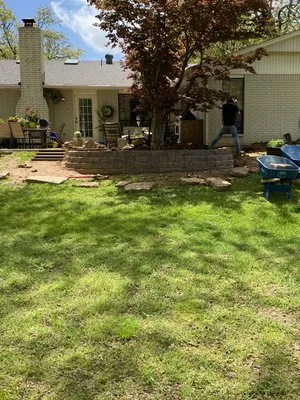
E&J Landscaping And Dirt Work is a dedicated, family-operated company serving Springdale and the surrounding Northwest Arkansas communities. We specialize in turning your outdoor vision into reality, ...
Maverick Landscapes is a locally owned and operated landscaping business in Rogers, AR, founded by brothers Hunter and his sibling. With engineering backgrounds but a passion for the outdoors, they le...
Estimated Landscaping Service Costs in West Fork, AR
FAQs
Is Ozark Sandstone or pressure-treated wood better for a new retaining wall?
Native Ozark Sandstone offers superior longevity and permeability compared to wood, which decays and requires chemical treatment. A dry-stacked stone wall provides excellent drainage and integrates with the local ecology. For properties in the Moderate (WUI Zone 2) fire risk area, stone also contributes to defensible space as a non-combustible hardscape, a consideration increasingly important for insurance and safety standards.
Will my Tall Fescue lawn survive under Stage 1 water conservation rules?
Yes, Tall Fescue can be maintained under voluntary conservation with precise irrigation management. Wi-Fi ET-based systems use real-time weather data to apply only the water lost to evapotranspiration, avoiding the overwatering that clay soils cannot absorb. Programming deep, infrequent watering cycles before 10 AM maximizes infiltration and reduces evaporation, keeping the lawn healthy within municipal water limits.
Why is my lawn thin and compacted compared to newer neighborhoods?
Properties built around 1982, common in West Fork City Center, have 40+ year-old soil profiles. Decades of foot traffic and mowing on the native Ultisols have reduced permeability. These acidic, clay-heavy soils become dense and hydrophobic, starving root zones of oxygen and water. Core aeration combined with a top-dressing of composted organic matter is the primary remediation to rebuild soil structure and biological activity.
What invasive weeds should I watch for, and how do I treat them safely?
West Fork's acidic soils and disturbed areas are prone to Japanese Stiltgrass and Chinese Privet. Manual removal before seed set is most effective. For chemical control, selective post-emergent herbicides applied in late spring or early fall—when weeds are actively growing—are key. This timing strictly adheres to State BMP guidelines, which prohibit applications on frozen ground to prevent chemical runoff into waterways.
I want a low-maintenance yard that doesn't need weekly mowing. What are my options?
Transitioning high-input turf to a xeriscape with native plants like Purple Coneflower, Little Bluestem, and Butterfly Milkweed drastically reduces water, mowing, and chemical needs. This landscape supports local pollinators and builds soil health. It also future-proofs your property against evolving noise ordinances, as electric maintenance equipment is quieter and complies with restrictions on gas-powered blowers and mowers.
My yard stays soggy for days after rain. What's a lasting solution?
Persistent saturation indicates the native Ultisol's low permeability. A French drain system intercepts subsurface water, while regrading subtle slopes directs surface runoff away from foundations. Using permeable Ozark Sandstone for patios or walkways instead of solid concrete allows infiltration. These modifications often require a drainage permit from the West Fork Planning & Development Department to ensure they meet local runoff standards.
Do I need a permit to regrade my 0.35-acre lot, and what kind of contractor should I hire?
Significant regrading that alters water flow patterns typically requires an erosion control and drainage permit from the West Fork Planning & Development Department. For a project of this scale, you must hire a contractor licensed by the Arkansas Contractors Licensing Board. This ensures they carry proper insurance and understand the engineering required to manage runoff on clay soils without negatively impacting adjacent properties.
How quickly can you respond for an emergency tree limb cleanup to meet HOA deadlines?
For urgent compliance or storm damage on a West Fork City Center property, our standard dispatch from the West Fork City Hall area uses US-71. This routing allows a crew arrival within the 20-30 minute window during peak hours. We coordinate with the city for right-of-way access if debris blocks a roadway, ensuring the response prioritizes safety and regulatory adherence before permanent repair.
