Top Landscaping Services in Springdale, AR, 72703 | Compare & Call


Who's Next Outdoor Services is a Springdale-based landscaping and pressure washing company founded in 2021 by local resident Zachary Peck. The company is built on a foundation of adding beauty and cle...

Royalty Nature Landscapes is a full-service landscaping company serving Springdale, AR, and the surrounding areas. We specialize in transforming outdoor spaces with services ranging from landscape des...
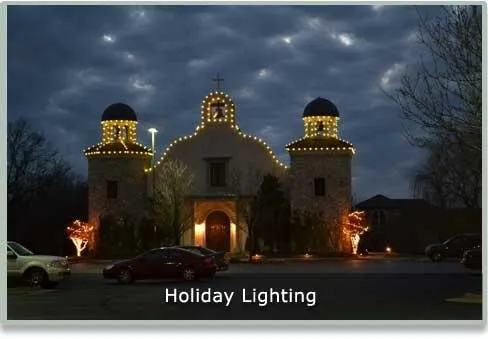
Four Seasons Landscaping
Four Seasons Landscaping is a trusted, full-service landscaping company serving Springdale and Northwest Arkansas. We specialize in comprehensive solutions, from custom landscape design and installati...
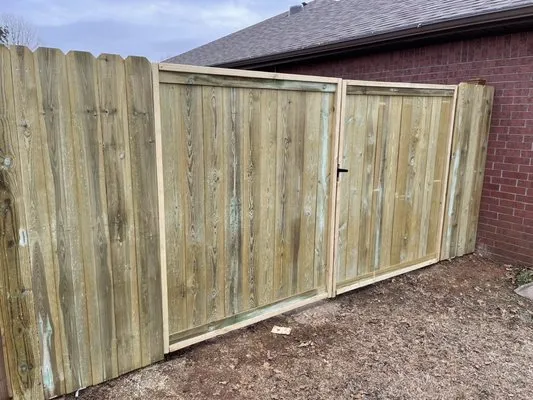
Martel's Landscaping has been serving Springdale and Northwest Arkansas since 2000, providing reliable landscaping, tree, and irrigation services. With over 20 years of experience, we focus on quality...

Simply Meticulous Landscape Co is a Springdale-based landscaping company dedicated to transforming and maintaining outdoor spaces in Northwest Arkansas. We specialize in comprehensive services includi...
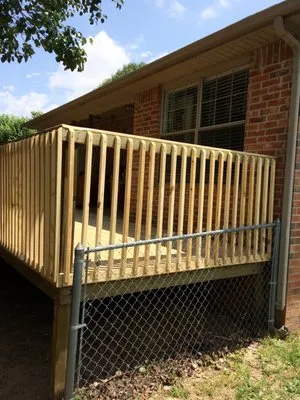
Vargas Landscaping
Vargas Landscaping is a Springdale-based landscaping company that has grown from a dedicated service into a well-established local business since 2005. We serve homeowners throughout Northwest Arkansa...

Complete Lawn Care is your trusted, locally-owned partner for landscaping, irrigation, and gardening in Springdale, AR. We understand the unique challenges homeowners face, such as patchy grass and fr...

All Around Landscaping
All Around Landscaping in Springdale, AR, is your local partner for creating and maintaining a thriving outdoor space. We specialize in comprehensive landscaping, irrigation, and design services. Many...
Weed Man in Springdale, AR is a locally operated lawn care and pest control provider with over 40 years of experience serving Northwest Arkansas homeowners. We specialize in creating healthy, vibrant ...
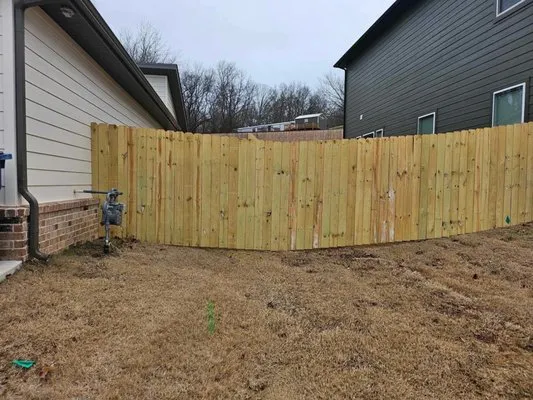
Figueroa’s Fencing is your trusted local expert for Springdale properties. We combine skilled fence installation and repair with comprehensive landscaping, concrete work, and masonry to enhance your o...
Q&A
How can I maintain Tall Fescue without violating water restrictions?
Springdale's current Stage 0 status allows flexibility, but proactive conservation is advised. A Wi-Fi ET-based weather-sensing irrigation controller is the most effective tool, automatically adjusting runtimes using real-time evapotranspiration data. This system delivers water only when and where your Tall Fescue or Zoysia needs it, preventing overwatering that exacerbates our clay-heavy subsoil compaction. This approach maintains turf health while keeping your usage well within potential future municipal limits.
I've spotted invasive vines. How should I handle them without harming my garden?
For invasive species like Japanese honeysuckle or wintercreeper, precise manual removal followed by a targeted, systemic herbicide applied to cut stems is most effective. Timing is critical to avoid state-regulated BMP blackout dates for Phosphorus and other fertilizers. Always identify the species first, as treatment windows and methods vary. Proper disposal of plant material prevents re-establishment and protects your established plantings like Eastern Redbud.
My yard floods after heavy rain. What is a long-term solution?
High runoff in Springdale is typically caused by the impermeable clay-heavy subsoil beneath Captina Silt Loam. Installing a French drain system to redirect subsurface water is a core remedy. For new hardscapes, specifying permeable sandstone pavers increases ground absorption and can help projects meet the Springdale Planning & Community Development department's updated stormwater runoff standards. Combining subsurface drainage with permeable surfaces addresses both the symptom and the source of water pooling.
Does regrading my backyard require a permit or licensed professional?
Yes, significant regrading on a 0.22-acre lot typically requires a permit from the Springdale Planning & Community Development office to ensure compliance with erosion control and drainage ordinances. Furthermore, design and specification for such earthwork should be overseen by a professional licensed by the Arkansas State Board of Landscape Architects. This ensures the work addresses soil stability, proper slope away from foundations, and integration with existing drainage patterns, protecting your property and adjacent lots.
What are lower-maintenance alternatives to my traditional lawn?
Transitioning to a climate-adaptive landscape with Arkansas natives like Purple Coneflower, Little Bluestem, and Butterfly Milkweed significantly reduces water, mowing, and chemical inputs. These deep-rooted plants build soil health and support 2026 biodiversity targets. This shift also future-proofs your property against evolving municipal noise ordinances that may restrict gas-powered blowers and mowers, as native plant beds require less frequent mechanical maintenance.
Are permeable pavers a better choice than a wooden deck?
Permeable sandstone pavers offer superior longevity and functionality compared to wood in our Zone 7a climate. They mitigate local drainage issues, resist frost heave, and require no sealing or rotting. For properties in Moderate (WUI Zone 2) fire-risk areas, pavers also provide a critical non-combustible defensible space immediately adjacent to the structure, a key consideration for Firewise USA compliance that wooden structures cannot fulfill.
What is your fastest response for a downed tree limb blocking a driveway?
For emergency cleanup, our dispatch from Walter Turnbow Park via US-412 allows a 20-30 minute arrival to most Downtown Springdale addresses, even during peak traffic. We prioritize triage for safety hazards and HOA compliance deadlines, mobilizing crews equipped for immediate debris removal and site stabilization. This routing logic is designed to meet the critical first-response window for storm-related incidents before shifting to systematic restoration work.
My lawn seems thin and struggles to absorb water. Could the age of my house be a factor?
Properties built around the 1994 average in Downtown Springdale are now 32 years old, indicating mature but often compacted soil. The native Captina Silt Loam in this area has a naturally tight structure, and decades of foot traffic and traditional maintenance have likely degraded its permeability and organic matter content. This compaction restricts root growth and water infiltration, leading to runoff. Core aeration combined with top-dressing compost is the primary corrective measure to rebuild soil structure and biological activity.
