Top Landscaping Services in Rockwell, AR, 71913 | Compare & Call
There are 163 landscaping companies server in Rockwell AR
Reeves Landscaping
Reeves Landscaping serves Lonsdale, AR, with personalized lawn care, junk removal, and gardening services. We focus on custom solutions tailored to each homeowner's vision, budget, and needs, avoiding...
Guillermo Lawn Care is your trusted, locally-owned lawn service provider in Hot Springs, AR. We specialize in helping homeowners tackle the specific challenges of our area, like patchy, thin grass and...
Mowmentum Lawn Care is a trusted lawn service provider in Tull, AR, specializing in comprehensive lawn care solutions tailored to the unique needs of local homeowners. We understand that many Tull res...

My name is BDJAY, and the heart behind BDJAY'S HELPN HANDZ in Hot Springs began with a simple realization while working in a nursing home: many people, especially seniors, just need someone to care. S...

Lakefront Lawn and Landscaping is a trusted local landscaping company serving Mountain Pine, AR, with five years of dedicated experience. We focus on delivering reliable, high-quality work through hon...
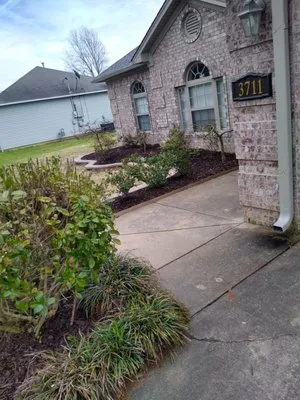
Everything-N-Moore is your local, full-service partner for maintaining a healthy and vibrant yard in Hot Springs National Park. We specialize in expert lawn care and pressure washing services designed...
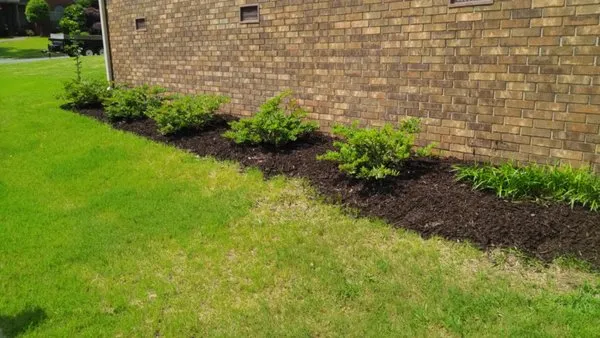
MX Top Landscape is your trusted, local landscaping partner in Arkadelphia, AR, dedicated to building and maintaining beautiful, functional outdoor spaces that stand up to the unique challenges of our...

Lusher Lawn and Landscaping is a Bonnerdale-based landscaping company founded in 2021, with significant growth since Spring 2022. We provide comprehensive lawn care and landscaping services, including...
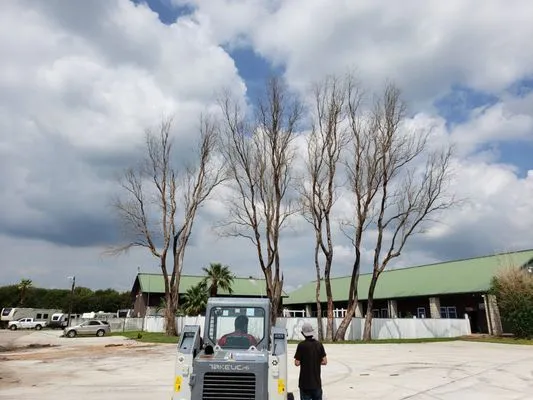
Garner Tree Service in Mabelvale, AR, provides expert tree care and comprehensive landscaping solutions. Founded in 2018 by passionate arborists, we are dedicated to serving our local community with r...

Butler Multi Works
Butler Multi Works is your trusted Hot Springs, AR partner for comprehensive property care, specializing in landscaping, auto detailing, and junk removal. We understand the unique challenges local hom...
Estimated Landscaping Service Costs in Rockwell, AR
Questions and Answers
We're replacing a wooden deck. Is sandstone a better material for our climate and fire risk?
Native sandstone pavers offer superior longevity and minimal maintenance compared to wood in our humid, freeze-thaw cycle climate. As a non-combustible material, sandstone also contributes directly to creating defensible space, a key requirement for properties in Moderate WUI Zone 2 Firewise ratings. Its thermal mass can help moderate ground-level temperatures, benefiting adjacent plantings.
An invasive vine is taking over a garden bed. How do we remove it without harming our other plants or the creek behind us?
For aggressive invasive species like Japanese Honeysuckle, targeted cut-stump treatment with a glyphosate formulation applied directly to the fresh cut stem is effective. This precise method minimizes herbicide drift and protects nearby desirable vegetation. All applications must follow Arkansas BMPs for Phosphorus runoff to protect waterways and adhere to any local blackout dates for fertilizer and pesticide use.
Water pools in our yard after every rain. What's a long-term solution for this drainage problem?
Moderate runoff issues here stem from the heavy clay compaction inherent in our acidic Ultisols, which severely limits permeability. Installing subsurface French drains paired with dry creek beds made from native sandstone pavers can effectively redirect surface flow. This permeable hardscape approach also helps new construction meet Garland County Planning & Development's updated stormwater runoff standards.
We want a green lawn but need to follow water conservation guidelines. What's the most efficient system?
Wi-Fi ET-based weather-sensing irrigation controllers are the standard for efficiency in Rockwell's voluntary conservation climate. These systems adjust watering schedules daily based on local evapotranspiration data, applying moisture only when Tall Fescue turfgrass requires it. This technology optimizes root zone hydration while keeping total water use well within municipal limits, even during peak summer demand.
A storm brought down a large limb, and our HOA requires immediate removal. How quickly can a crew respond?
A dispatch from the Rockwell Community Center via AR-7 allows for a 25 to 35-minute arrival during peak hours for emergency cleanup. Crews operate electric chippers and hauling equipment to comply with local noise ordinances restricting work between 8 PM and 7 AM. This rapid response protocol is designed to meet strict HOA compliance deadlines for debris clearance.
Our lawn has never looked right, and the neighbors say it's the old soil. What's actually going on under there?
Lots in Rockwell Heights, developed in the early 1990s, typically sit on compacted, acidic Ultisols with a pH of 5.5-6.2. Over 33 years of standard maintenance, the soil structure has degraded, leading to poor percolation and nutrient lock-up. Core aeration combined with incorporating composted organic matter is the foundational step to rebuild soil health and cation exchange capacity for sustained plant vigor.
We want to regrade part of our sloped backyard. What permits and contractor qualifications are required?
Regrading a 0.35-acre lot in Rockwell requires a land disturbance permit from the Garland County Planning & Development office to ensure proper erosion control. The work must be performed by a contractor licensed by the Arkansas Contractors Licensing Board, as moving significant earthwork impacts drainage patterns and structural integrity. This licensing ensures adherence to state BMPs and protects homeowners from liability for improper water diversion.
We're tired of weekly mowing and gas-powered noise. Are there lower-maintenance, quieter landscape options?
Transitioning high-input turf areas to a matrix of native plants like Oakleaf Hydrangea, Purple Coneflower, and Switchgrass significantly reduces maintenance cycles. This xeriscaping strategy slashes mowing, eliminates gas blower use ahead of tightening noise ordinances, and supports local biodiversity. The established root systems of these natives also enhance drought resilience and soil stability.
