Top Landscaping Services in Rector, AR, 72461 | Compare & Call

There are 9 landscaping companies server in Rector AR
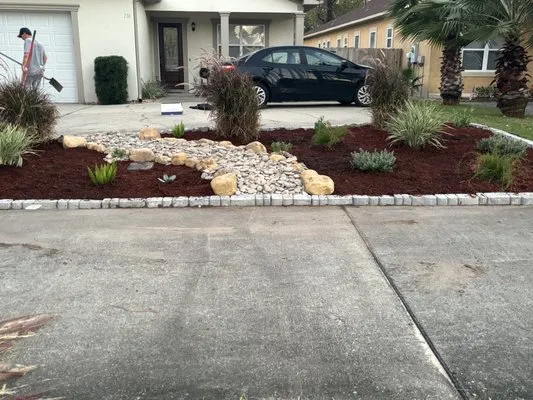
Odins Oasis is a Newport, AR-based landscaping, masonry, and fencing company with over 10 years of experience serving the local community. We specialize in transforming outdoor spaces through comprehe...
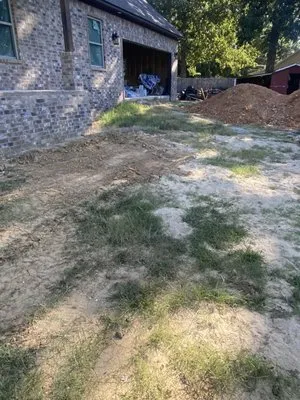
Langston Dirt Worx is your local, full-service partner for property transformation and maintenance in Jonesboro, AR. We specialize in landscaping, excavation, and hauling services designed to tackle c...
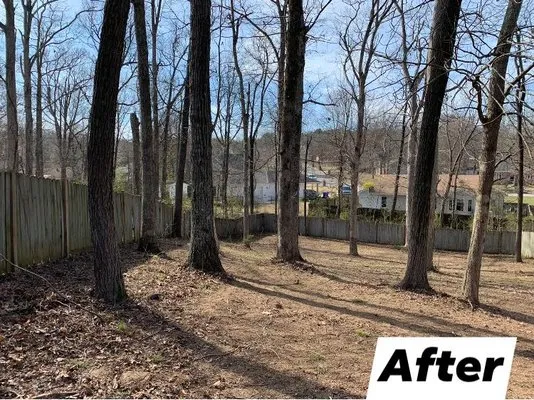
For over a decade, Prime Cuts has been the trusted local landscaping partner for homeowners in Bono, AR. We believe in straightforward, reliable service, handling everything from routine lawn care to ...

S & W Lawncare is a trusted local landscaping company serving Marmaduke, AR, and surrounding areas. We specialize in comprehensive lawn and shrub care, landscape design, and construction to enhance yo...

J's Property Services is a trusted local provider in Rector, AR, offering reliable landscaping, junk removal, and general contracting solutions. We serve Rector, Piggot, Marmaduke, Greenway, Paragould...
Titan Handyman and Lawncare is your trusted local expert in Piggott, AR, providing comprehensive handyman and lawn services to keep homes functional and beautiful. We specialize in handyman assembly, ...
870 Lawn Rescue is your trusted Paragould partner for comprehensive lawn, tree, and excavation services. We specialize in solving the common local landscaping challenges of lawn fungus disease and irr...
Thrash's Lawn Service is a full-service landscaping company serving the Marmaduke area. We specialize in transforming and maintaining healthy outdoor spaces, directly addressing common local challenge...

Lawn Doctor of Northeast Arkansas is a trusted local provider of comprehensive lawn care and pest control services in Paragould, AR. We specialize in addressing common regional challenges like persist...
Estimated Landscaping Service Costs in Rector, AR
Question Answers
What invasive weeds should we watch for, and how do we control them safely?
Proactive scouting for invasive species like Japanese knotweed or Johnsongrass is critical. Manual removal is preferred for small infestations. For broader issues, targeted herbicide applications must follow Arkansas BMPs for fertilizer and chemical use, which include specific blackout dates and buffer zones to protect waterways. A soil test every 2-3 years will guide any necessary amendments without over-application.
Do we need a permit to regrade our backyard for better drainage?
Yes, significant grading on a 0.25-acre lot typically requires a permit from the Rector City Hall or Clay County Planning Department to ensure compliance with erosion control and drainage ordinances. This work must be performed by a contractor licensed by the Arkansas Contractors Licensing Board, as it involves altering the land's contour and managing stormwater flow, which carries liability for downstream impacts.
We have a storm-damaged tree and an HOA deadline. How quickly can a crew respond?
For emergency cleanup or HOA compliance work, our standard dispatch from Rector City Park via US-49 ensures a crew arrival within 20-30 minutes. We prioritize these calls with dedicated electric equipment fleets, which operate quietly within standard quiet hours (10 PM - 7 AM) to avoid ordinance violations while completing the work efficiently.
We're tired of weekly mowing. What are lower-maintenance options?
Transitioning to a climate-adaptive landscape is a strategic solution. Replacing high-input turf areas with a matrix of deep-rooted natives like Purple Coneflower, Butterfly Milkweed, and Switchgrass drastically reduces mowing, watering, and fertilizing needs. This xeriscaping approach also future-proofs your property against evolving noise ordinances that restrict gas-powered blowers and mowers, while supporting local biodiversity.
Are concrete pavers a better choice than wood for a new patio?
For longevity and minimal maintenance in Rector's climate, inorganic materials like concrete pavers or river rock are superior. They resist rot, insect damage, and weathering far better than wood. While the local Fire Wise rating is standard, these materials also provide non-combustible, defensible space immediately adjacent to the home, which is a prudent design consideration for any residential property.
How can we keep our Tall Fescue healthy during summer without wasting water?
Effective irrigation in USDA Zone 7a relies on precision, not volume. We install smart Wi-Fi soil moisture sensor controllers that schedule watering based on actual evapotranspiration (ET) and root zone data. This system applies water only when the soil profile drops below optimal levels, preserving the turf while adhering to voluntary conservation guidelines and staying well within municipal water use expectations.
Our yard's soil seems dense and doesn't drain well. Is this typical for older homes in Central Rector?
Yes, this is a common legacy soil condition. Homes built around the 1960s, like many in this area, sit on soils that have been compacted for over 60 years. The prevalent silt loam is prone to settling, which severely reduces permeability and creates a seasonal high water table. Core aeration and incorporating 2-3 inches of composted organic matter are essential to rebuild soil structure and improve root zone health for your Tall Fescue.
Our yard holds water for days after a rain. What's a long-term solution?
Poor infiltration in silt loam soils requires subsurface intervention. A French drain system tied to a dry well or daylight outlet is the most reliable method. For any new patios or walkways, specifying permeable concrete pavers or locally sourced river rock set in a gravel base will significantly increase surface permeability and help meet the Clay County Planning Department's standards for managing stormwater runoff on-site.
