Top Landscaping Services in Marshall, AR, 72650 | Compare & Call


Sunrise Property Maintenance is a trusted, family-owned and operated lawn care and landscaping service based in Conway, AR, with over two decades of experience serving the community. We proudly extend...

In Marshall, AR, Matt's Deaf Handyman & Lawn Care is your trusted neighbor for tackling common local yard and home challenges. We understand that many homes in our community deal with landscaping issu...

Caden's Lawn Care & Landscaping is a trusted local landscaping and tree service provider serving Marshall, AR, and the surrounding areas. We specialize in comprehensive solutions for homeowners facing...
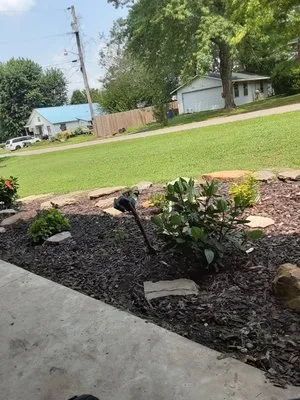
Flud's Landscaping is a trusted lawn care provider serving homeowners in Marshall, AR. We specialize in comprehensive lawn care services designed to address common local landscaping challenges, partic...
Kalebs Lawncare and Landscape is a trusted lawn service provider in Marshall, AR, dedicated to helping local homeowners achieve and maintain healthy, vibrant lawns. We specialize in comprehensive lawn...
FAQs
I want a green Tall Fescue lawn but am worried about water waste. How can modern irrigation help?
Modern Wi-Fi ET-based irrigation systems are precisely calibrated for Marshall's climate and soil. These controllers automatically adjust watering schedules based on real-time evapotranspiration data from local weather stations, applying water only when needed. For acidic sandy loam, this technology prevents the shallow watering that weakens Tall Fescue roots while avoiding the runoff common in compacted subsoils. This method maintains turf health within municipal water limits, even during normal operations, by aligning irrigation directly with plant demand and soil percolation rates.
Water pools in my backyard after every rain, killing the grass. What's the root cause and a lasting solution?
This pooling indicates moderate runoff exacerbated by the clay-based subsoil compaction beneath Marshall's acidic sandy loam topsoil. The dense clay layer acts as a barrier, preventing proper percolation. A lasting solution involves sub-surface strategies like installing a French drain system or creating dry creek beds lined with permeable native sandstone. These features meet Marshall City Planning & Zoning runoff standards by redirecting water while the stone's natural porosity facilitates gradual infiltration, protecting your turf and foundation.
My Marshall yard's soil seems thin and lifeless compared to my neighbor's. Could the age of our homes be a factor?
Properties built in the 1970s, like many in Downtown Marshall, have soil approximately 53 years in development. This acidic sandy loam, with its naturally low pH (5.5-6.2), often suffers from compaction and minimal organic matter accumulation over decades. The original construction likely stripped the topsoil, leaving a subsoil base that inhibits root penetration and water infiltration. To rebuild soil health, we recommend core aeration followed by amendments like composted pine bark to gradually increase organic content and improve permeability.
I'm tired of weekly mowing and gas-powered noise. Are there quieter, lower-maintenance landscape options?
Transitioning to a landscape anchored by natives like Purple Coneflower, Butterfly Milkweed, and Little Bluestem significantly reduces maintenance. These deep-rooted plants require no mowing, minimal watering once established, and support local biodiversity. This shift preemptively addresses future noise ordinance trends by eliminating the need for gas-powered blowers and mowers. An electric maintenance fleet can manage any necessary upkeep quietly, aligning with a forward-looking, ecologically sound approach for your 0.35-acre property.
I've spotted what looks like Japanese Stiltgrass invading my flower beds. How do I treat it without harming my natives?
Japanese Stiltgrass is a high-priority invasive alert for this region. Manual removal before it sets seed in late summer is most effective for small infestations. For larger areas, a targeted application of a grass-specific herbicide in early spring, precisely following Arkansas state-regulated application guidelines, can be used. It is critical to avoid broadcast spraying and adhere to any label-specified blackout dates to protect desirable natives like Oakleaf Hydrangea. Always pair removal with planting dense native groundcovers to occupy the ecological niche.
We're planning significant regrading and a new retaining wall. What permits and contractor qualifications should we verify?
Regrading and structural walls on a 0.35-acre lot in Marshall typically require a permit from the Marshall City Planning & Zoning office, especially if altering water runoff patterns. State law mandates that the contractor hold a current license from the Arkansas Contractors Licensing Board. For this scope of work, verify they carry a 'Landscape Contractor' or similar classification. Using a licensed professional ensures the work meets municipal codes for drainage and structural integrity, protecting your investment and avoiding liability for any downstream erosion issues.
We're adding a patio and are deciding between wood and stone. Which is better for longevity and fire safety here?
Native sandstone is superior for both longevity and fire safety in Marshall's Moderate (WUI Zone 2) fire risk rating. Unlike wood, sandstone is non-combustible, contributing to defensible space requirements. It withstands freeze-thaw cycles in USDA Zone 7a without rotting, warping, or requiring chemical treatments. While the initial investment may be higher, its century-plus lifespan and minimal maintenance offer long-term value and resilience, making it the technically sound choice for durable, fire-wise hardscaping.
After a major storm, we need emergency debris cleanup to meet HOA compliance deadlines. What's your typical response time?
For urgent HOA compliance or storm cleanup in the Downtown Marshall area, our standard dispatch targets a 20-30 minute arrival window during peak conditions. Our crews route from the Searcy County Courthouse vicinity via US-65 to minimize transit time through local traffic. This schedule accounts for the logistical challenges of navigating post-storm conditions while ensuring we can secure the site, begin debris management, and provide the documentation required for your compliance report efficiently.
