Top Landscaping Services in Marion, AR, 72327 | Compare & Call

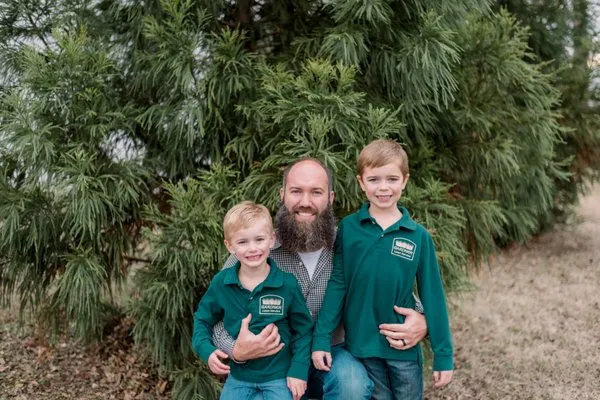
Gardner Lawn Service was founded in Marion, AR by a local owner with a unique background in both agriculture and community-focused studies from Arkansas State University. Starting part-time in 2008 wi...
TLC TurfMaster Lawn Care is a Marion-based landscaping company specializing in creating resilient, beautiful outdoor spaces for our community. We understand the common local challenges of clogged irri...
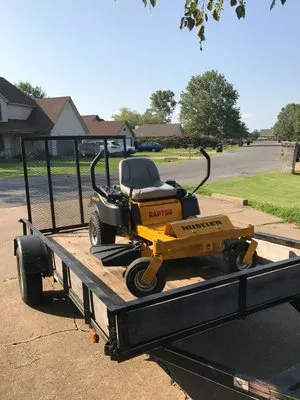
Edwards Lawn Care is a locally owned and operated lawn service business based in Marion, AR, serving the Crittenden County area since 2016. Founded by a dedicated professional committed to customer sa...
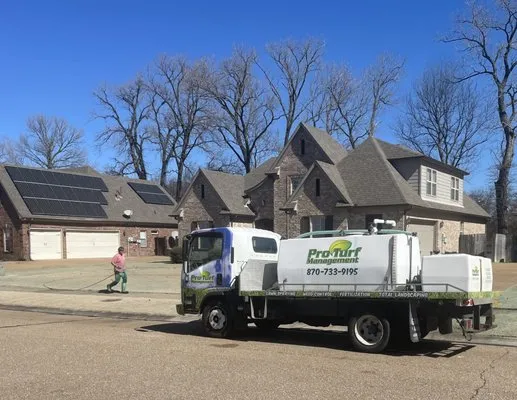
Pro Turf Management is your local, full-service landscaping partner in Marion, AR. We offer comprehensive care for your property, from routine lawn maintenance to specialized shrub and tree services. ...
Arellano Lawn Services is your trusted, local Marion lawn care expert. We understand the common challenges Marion homeowners face, such as frustrating sprinkler head leaks that waste water and money, ...
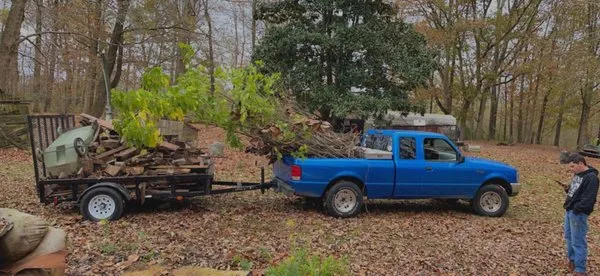
Multi Gen Landscaping is a Marion-based family business providing comprehensive landscaping, junk removal, and hauling services to local homeowners. We specialize in resolving common local issues like...

JR Tree Service is a trusted, locally-owned landscaping and tree care provider serving Marion, AR, and the surrounding areas. We specialize in comprehensive landscape maintenance and expert tree care ...
Horton Hears A Mower is a trusted landscaping business serving Marion, AR, dedicated to helping local homeowners maintain beautiful, healthy outdoor spaces. We understand the common challenges in our ...
Richard Barnes Services is a trusted local provider in Marion, AR, specializing in lawn care, pressure washing, and comprehensive junk removal. Many homes in the area face landscaping challenges like ...
Qs in Marion is a dedicated lawn care provider helping homeowners tackle common local landscape challenges. We specialize in identifying and correcting issues like irrigation coverage gaps, which can ...
Q&A
Can I reduce maintenance while supporting local ecology?
Replacing high-maintenance turf areas with native plantings like Eastern redbud, switchgrass, black-eyed Susan, and butterfly weed creates resilient landscapes requiring minimal inputs. These species support pollinator populations while adapting to USDA Zone 8a conditions without chemical fertilizers. Transitioning to electric maintenance equipment addresses evolving noise ordinance considerations regarding gas-powered blowers while reducing carbon emissions from landscape operations.
How do I manage invasive plants without harming my landscape?
Common invasive species in Marion include Japanese honeysuckle and Chinese privet, which outcompete native vegetation. Mechanical removal followed by targeted herbicide application during dry periods prevents chemical runoff. Arkansas BMP guidelines prohibit fertilizer application before heavy rain events, creating blackout dates typically 48 hours before forecasted precipitation. Mycorrhizae inoculants applied after invasive removal help reestablish beneficial soil fungi networks.
How do I maintain healthy turf while conserving water in Marion?
Wi-Fi ET-based weather sensing irrigation systems calculate evapotranspiration rates using local weather data to apply precise water amounts. This technology preserves centipede or tall fescue turf by delivering 1-1.5 inches weekly during active growth periods. Marion's Stage 0 water restrictions allow flexibility, but ET-based systems typically reduce municipal water usage by 20-30% compared to traditional timer-based irrigation through soil moisture monitoring and rain delay functions.
How quickly can you respond to an emergency tree cleanup for HOA compliance?
Emergency storm response crews dispatch from Marion City Hall via I-55 to reach Marion Heights within 20-30 minutes during peak conditions. We coordinate with HOA representatives to address immediate safety hazards like downed limbs blocking driveways. Electric chainsaws and battery-powered chippers operate within standard noise ordinance quiet hours (10 PM to 7 AM), allowing extended work windows without disturbance.
What permits and licenses are needed for landscape grading work?
Grading projects altering drainage patterns on 0.25-acre Marion Heights lots require permits from the Marion Planning & Development Department. Contractors must hold Arkansas Contractors Licensing Board certification for earthwork exceeding $20,000 in value. Professional licensing ensures proper erosion control implementation during construction and adherence to elevation certificates that may be required for properties in flood-prone areas of Crittenden County.
Which hardscape materials work best for Marion's climate?
Concrete pavers and Arkansas fieldstone offer superior longevity compared to wood in Marion's humid subtropical climate. These materials resist moisture damage and insect infestation while providing stable surfaces for 25+ years. Marion's low fire-wise rating in urban settings makes non-combustible hardscape materials particularly valuable for creating defensible space, though specific requirements focus more on vegetation management than material selection in residential areas.
What solutions exist for yards with standing water after rains?
High seasonal water tables in Marion's alluvial silt loam soils create poor infiltration that requires engineered drainage solutions. French drains with clean gravel and perforated pipe redirect subsurface water, while permeable concrete pavers or Arkansas fieldstone patios increase surface permeability. The Marion Planning & Development Department requires drainage plans demonstrating runoff reduction for hardscape projects exceeding 100 square feet to meet municipal stormwater standards.
Why does my Marion Heights yard have drainage issues and compacted soil?
Marion Heights lots developed around 1998 have approximately 28 years of soil maturity. Alluvial silt loam soils in this area naturally compact over time due to foot traffic and equipment weight, reducing permeability. Core aeration every 1-2 years introduces oxygen channels while organic amendments like composted leaf mold improve soil structure. This addresses the poor infiltration characteristic of these soils while maintaining the optimal pH range of 6.2-6.8 for most landscape plants.
