Top Landscaping Services in Malvern, AR, 72104 | Compare & Call
There are 112 landscaping companies server in Malvern AR
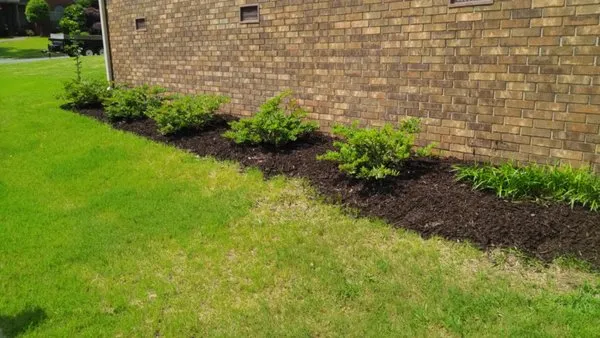
MX Top Landscape is your trusted, local landscaping partner in Arkadelphia, AR, dedicated to building and maintaining beautiful, functional outdoor spaces that stand up to the unique challenges of our...

Lusher Lawn and Landscaping is a Bonnerdale-based landscaping company founded in 2021, with significant growth since Spring 2022. We provide comprehensive lawn care and landscaping services, including...
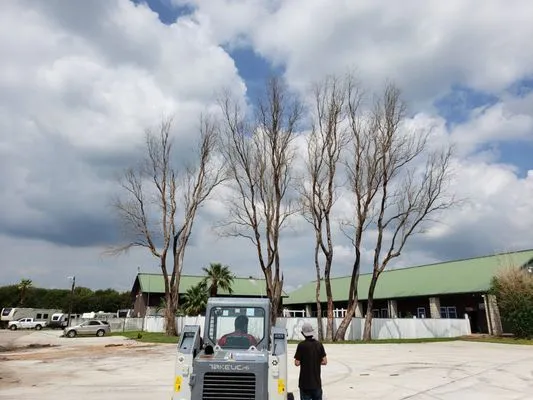
Garner Tree Service in Mabelvale, AR, provides expert tree care and comprehensive landscaping solutions. Founded in 2018 by passionate arborists, we are dedicated to serving our local community with r...

Butler Multi Works
Butler Multi Works is your trusted Hot Springs, AR partner for comprehensive property care, specializing in landscaping, auto detailing, and junk removal. We understand the unique challenges local hom...

Saline Green Team is a family-operated lawn and landscape service rooted in Bryant, Arkansas, dedicated to serving our neighbors throughout Saline County. We provide reliable lawn care, including mowi...

Valhallas Handyman is a family-oriented, veteran-owned business serving Caddo Gap, AR, with reliable handyman, landscaping, and general contracting services. We specialize in custom builds and compreh...

Triple B Lawn Care is a trusted, locally-owned service provider in Hot Springs, Arkansas, dedicated to maintaining and protecting your property's value and curb appeal. We specialize in tackling the s...
AP Lawncare and Landscaping is a trusted local provider in Amity, AR, dedicated to maintaining and enhancing the health and beauty of your outdoor space. We specialize in comprehensive lawn care servi...
Rorie Service is a full-service landscaping company serving Benton, AR, specializing in comprehensive outdoor solutions from design to maintenance. We help homeowners and businesses tackle common loca...

Leopard Lawn is a trusted lawn care provider serving Malvern, AR, dedicated to helping homeowners maintain beautiful, healthy outdoor spaces. We specialize in comprehensive lawn care services, includi...
Estimated Landscaping Service Costs in Malvern, AR
Questions and Answers
Is a smart irrigation system worth it here with normal water restrictions?
Yes. While Malvern is in a monitor-only status, using Wi-Fi soil moisture sensors is a key water conservation strategy. These sensors provide ET-based irrigation, delivering water only when Tall Fescue or Centipede Grass root zones require it. This prevents overwatering, which exacerbates our high clay soil's drainage issues. The system automatically adjusts for rainfall, keeping your turf healthy while proactively staying within any future municipal water limits.
Why does my Downtown Malvern soil seem so tired and compacted?
Homes in this area average 58 years of age, meaning the native acidic Ultisols have undergone decades of compaction from foot traffic and equipment. This prolonged pressure reduces soil percolation and creates a dense layer that restricts root growth. Core aeration is a primary treatment to relieve this compaction. Following aeration, amending with composted organic matter will improve soil structure and gradually buffer the natural pH of 5.5 to 6.2 for better nutrient availability.
How quickly can you respond to an emergency like a downed tree after a storm?
Our dispatch from Malvern City Hall via I-30 allows for a peak response time of 15-20 minutes to Downtown Malvern for critical safety issues. We prioritize blocking roadways or damaging structures. The electric fleet meets the standard noise ordinance for early starts, and all debris is processed for mulch or proper disposal. We coordinate directly with utility companies if power lines are involved to ensure a safe, compliant cleanup.
What are my options for a lower-maintenance, eco-friendly yard?
Transitioning high-input turf to a climate-adaptive xeriscape with native plants significantly reduces water, mowing, and chemical needs. A palette of Eastern Redbud, Switchgrass, Purple Coneflower, Black-eyed Susan, and Beautyberry is adapted to Zone 8a and acidic soils. This diverse planting supports 2026 biodiversity goals and creates habitat. It also future-proofs your property against tightening noise ordinances that will restrict gas-powered blowers and mowers.
Why choose Arkansas Fieldstone over wood for a new patio or wall?
Arkansas Fieldstone offers superior longevity and requires virtually no maintenance compared to wood, which decays in our humid climate. Its thermal mass moderates temperature, and when dry-stacked or set with permeable joints, it supports good drainage. For properties in Moderate Fire Wise zones, stone provides critical non-combustible defensible space adjacent to structures, a key NFPA WUI compliance recommendation that can improve safety and potentially insurability.
What permits and licenses are needed for a backyard grading project?
Significant regrading on a 0.25-acre lot typically requires a permit from the Malvern Planning & Zoning Department to ensure compliance with erosion control and drainage ordinances. The contractor performing the work must hold a current license from the Arkansas Contractors Licensing Board. This licensing is a legal requirement that verifies insurance and competency, protecting you from liability for improper work that could cause downstream flooding or structural damage.
My yard holds water after every rain. What's the best long-term fix?
Persistent pooling indicates the high clay content common in local Ultisols is limiting permeability. The solution integrates grading and materials. We regrade to create positive surface flow away from foundations. For hardscape areas like patios, using permeable Arkansas Fieldstone set in a gravel base allows water to infiltrate rather than run off. This approach often meets Malvern Planning & Zoning Department standards for managing stormwater runoff on-site.
How should I deal with invasive weeds without harming my garden?
First, identify the species; common alerts here include Japanese honeysuckle and Chinese privet. For young invasions, manual removal with the root system is most effective. In established cases, a targeted, foliar-applied herbicide in late growing season may be necessary. All treatments strictly follow State BMP guidelines, which prohibit application on frozen ground or before forecasted rain to prevent runoff into our watersheds. A healthy, dense native planting is the best long-term defense.
