Top Landscaping Services in Leachville, AR, 72438 | Compare & Call
There are 32 landscaping companies server in Leachville AR
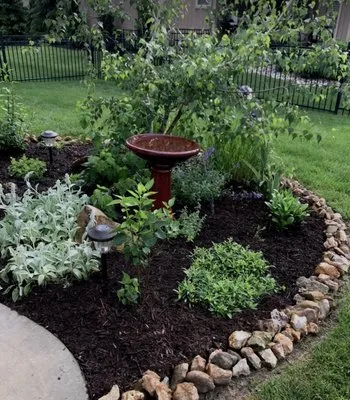
Sharp Lawncare and Gardening is a local Jonesboro business dedicated to providing reliable and affordable lawn and garden services. Founded by a professional who already mows yards throughout the area...
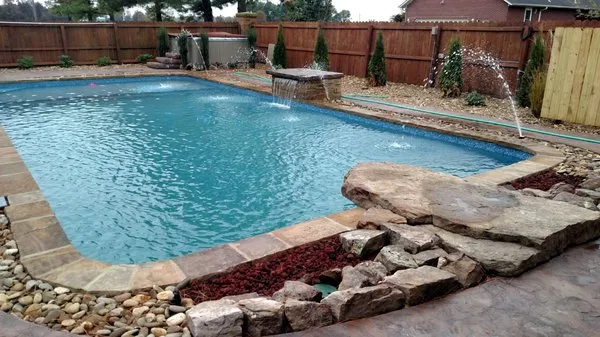
Pippinger Lawn and Landscape Services
Founded by Tyler Pippinger, Pippinger Lawn and Landscape Services began in 2007 as a dedicated lawn care provider in Northeast Arkansas. Growing from a teenager's ambition into a respected local busin...

NEA Greens is your local solution for a healthier, hassle-free yard in Bono, AR. We specialize in irrigation construction, design, and repair to tackle common issues like clogged sprinkler heads. Our ...
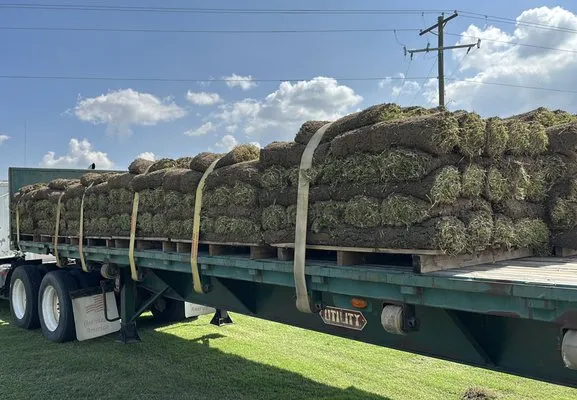
Emerald Lawns is Manila, AR's trusted partner for a healthier, more vibrant yard. We understand that local lawns often struggle with compacted soil and persistent weed infestations, which choke out gr...
Ond Landscape is a locally-owned and operated landscaping business serving Jonesboro and the surrounding communities. Founded by a disabled truck driver with a passion for outdoor work, the company br...
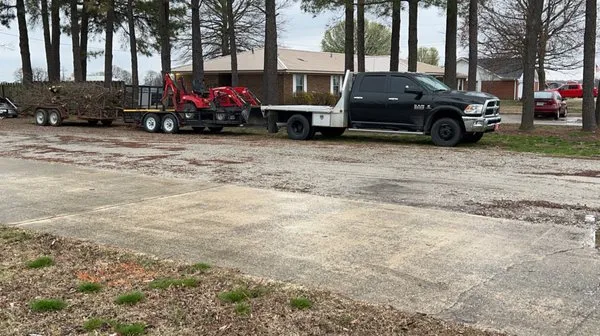
Davis Landscaping is your trusted, full-service partner for a beautiful and well-maintained property in Hoxie, AR. We specialize in professional lawn care, comprehensive junk removal, and durable fenc...

SnS Lawncare is your trusted, local lawn service provider in Marked Tree, AR, dedicated to keeping your property healthy and vibrant. We specialize in comprehensive lawn care, from regular mowing and ...
Rhino Lawn Maintenance is a family-owned and operated business deeply rooted in the Jonesboro community. As a local small business owner and family man, my commitment is to the homes and neighbors rig...
NEA Honeydoers is a locally owned and operated service company in Jonesboro, AR, with over 25 years of experience helping residents and businesses tackle their to-do lists. We provide reliable junk re...

J's Property Services is a trusted local provider in Rector, AR, offering reliable landscaping, junk removal, and general contracting solutions. We serve Rector, Piggot, Marmaduke, Greenway, Paragould...
Estimated Landscaping Service Costs in Leachville, AR
FAQs
Is crushed limestone better than wood for patios and pathways?
Crushed limestone provides superior longevity with minimal maintenance compared to wood decking that requires annual treatment. The material's light color reflects heat in summer while its permeability manages runoff during seasonal saturation. For properties in low Firewise-rated urban/rural interface zones, crushed limestone creates defensible space without combustible materials, offering both durability and safety advantages.
How quickly can you respond to an HOA violation notice for overgrown vegetation?
Emergency cleanup crews dispatch from Buffalo Island Central High School via AR-18 within 15 minutes of notification. With 45-60 minute regional service windows, our electric maintenance fleet arrives quietly to address code violations while complying with standard noise nuisance ordinances. We prioritize properties with visible overgrowth that could trigger municipal citations in Leachville Central.
Can I maintain healthy turf while following voluntary water conservation guidelines?
Smart Wi-Fi soil moisture sensors optimize irrigation by tracking evapotranspiration rates and soil moisture at root depth. This technology allows Tall Fescue or Zoysiagrass to receive precise watering only when needed, typically reducing municipal water usage by 30-40%. The system automatically adjusts for seasonal saturation periods common in Leachville's high water table conditions while maintaining turf health.
Why does my Leachville Central lawn have drainage issues and poor grass growth?
Leachville Central properties built around 1975 have 51-year-old soil profiles. Silt loam soil with pH 6.2-6.8 naturally compacts over decades, reducing permeability and oxygen availability to roots. This compaction explains why your Tall Fescue struggles during seasonal saturation periods. Annual core aeration combined with organic amendments like composted leaf mold can restore soil structure and improve percolation rates.
How should I handle invasive plants without using restricted chemicals?
Common invasive species in USDA Zone 7b include Japanese honeysuckle and Chinese privet, which threaten native plant communities. Mechanical removal during dormancy followed by targeted organic treatments avoids Arkansas BMP guideline restrictions. Solarization with clear plastic sheeting during peak mulching season in mid-March effectively suppresses regrowth without violating any blackout periods for chemical applications.
What solutions work for yards that stay wet weeks after rainstorms?
Moderate seasonal saturation in Leachville's silt loam soils requires permeability-focused solutions. Crushed limestone hardscapes with 3/8-inch minus aggregate create stable surfaces that allow water infiltration while meeting Mississippi County Planning runoff standards. French drains with clean stone backfill and dry creek beds using native river rock provide additional drainage pathways that work with the natural high water table.
What permits and licenses are required for regrading my quarter-acre lot?
Grading work on 0.25-acre properties in Leachville requires erosion control permits from the City Clerk and Mississippi County Planning. The Arkansas State Board of Landscape Architects licenses professionals for grading that alters water flow patterns or involves retaining walls over 18 inches. Unlicensed grading can violate municipal codes and create liability for downstream drainage issues, making professional oversight essential for compliance.
What landscape options reduce maintenance while supporting local ecology?
Transitioning high-maintenance turf areas to native plantings like American Beautyberry, Eastern Redbud, Switchgrass, and Purple Coneflower creates resilient landscapes. These species require minimal irrigation, no chemical inputs, and provide habitat for pollinators. Electric maintenance equipment operates quietly within noise ordinances while eliminating gas-blower emissions, creating sustainable landscapes that anticipate 2026 biodiversity standards.
