Top Landscaping Services in Highfill, AR, 72712 | Compare & Call
There are 230 landscaping companies server in Highfill AR

Creative Spaces is a family-owned landscaping company that has been enhancing outdoor living in Rogers and the wider Northwest Arkansas community for over two decades. With a deep understanding of the...
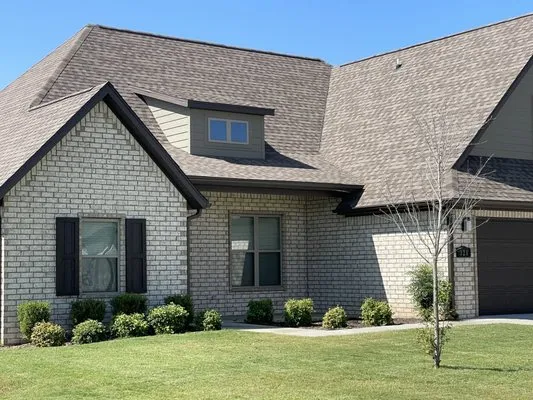
Rodriguez Lawn Care is a trusted, locally-owned lawn service provider dedicated to keeping Springdale yards healthy and beautiful. We specialize in comprehensive lawn care, from routine mowing and edg...

CNM Irrigation is a Springdale-based landscaping and irrigation company serving Northwest Arkansas homeowners with comprehensive outdoor solutions. We specialize in addressing common local issues like...
Hawkins Groundwork LLC is a Lowell-based landscaping company dedicated to transforming Northwest Arkansas properties with practical, lasting solutions. We build and care for outdoor spaces that fit ou...
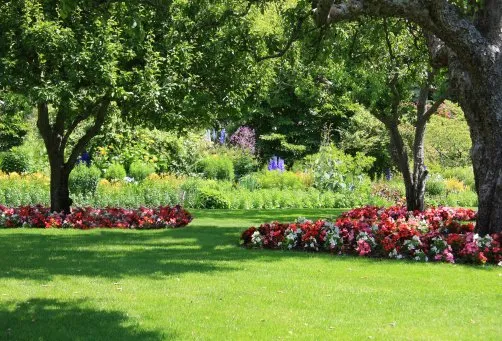
J & J Lawn Care Services is a trusted local lawn care provider serving Springdale, AR, and surrounding areas. We specialize in comprehensive lawn care solutions, including mowing, fertilization, and w...
Hernandez Landscaping and Irrigation is a trusted, full-service provider for homeowners and businesses in Rogers, AR. We specialize in creating and maintaining beautiful, functional outdoor spaces. Ou...
Element Landscaping & Design
Element Landscaping & Design is a Bentonville-based landscaping company specializing in professional landscape design, masonry, and concrete services. We help local homeowners address common Northwest...
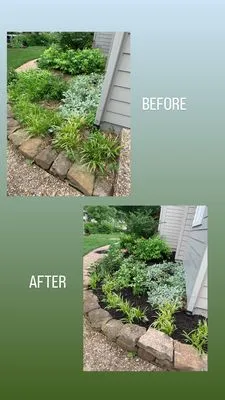
CLJ Lawn Service is a family-owned landscaping company with deep roots in Springdale, AR, established many years ago to serve the local community. We specialize in a comprehensive range of services in...
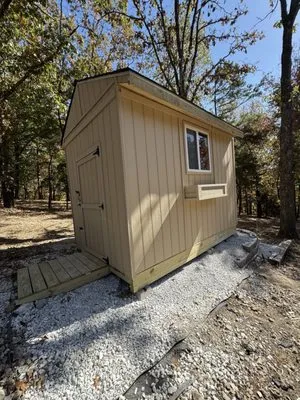
4CC Landscape & Construction
4CC Landscape & Construction is a trusted general construction and labor company serving Lowell, AR, and surrounding areas. We specialize in comprehensive interior and exterior design, power wash clea...
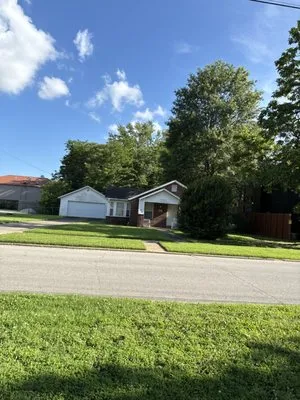
Hogs Wild Lawn and Landscaping is a Springdale-based lawn service provider dedicated to addressing common local landscaping challenges. Many homes in the area struggle with issues like poor lawn level...
Estimated Landscaping Service Costs in Highfill, AR
Question Answers
Why does my Highfill Estates lawn struggle despite regular watering and fertilizing?
Highfill Estates lots, developed around 2011, have 15-year-old soil that remains immature for healthy turf. The prevalent Captina Silt Loam soil, with its pH of 5.5-6.5, tends to compact over time, reducing permeability and root penetration. This compaction limits water infiltration and nutrient availability to Tall Fescue roots. Core aeration every 1-2 years, combined with organic amendments like compost, can improve soil structure and biological activity. Without these interventions, even proper irrigation and fertilization yield suboptimal results due to poor soil health.
Why choose Ozark Sandstone over wood for patios and retaining walls in Highfill?
Ozark Sandstone offers superior longevity, with a 50+ year lifespan compared to wood's 10-15 years in Arkansas' humid climate. Its natural fire resistance contributes to defensible space requirements in Moderate WUI Zone 2 areas. The stone's thermal mass moderates temperature extremes, reducing heat island effects. Unlike wood, it doesn't require chemical treatments that can leach into soil. For slopes exceeding 30%, engineered retaining walls with this material provide stability while meeting fire-wise landscaping standards.
How can I maintain my Tall Fescue lawn during Highfill's Stage 1 water restrictions?
Wi-Fi ET-based weather sensing irrigation systems optimize water use by adjusting schedules based on real-time evapotranspiration data. These systems reduce water application by 20-30% compared to traditional timers while preserving turf health. They automatically skip cycles during rainfall and increase frequency during dry spells, staying within voluntary conservation limits. This technology helps Tall Fescue maintain drought tolerance without violating municipal water guidelines, particularly important during Arkansas' summer months.
What are the benefits of replacing traditional turf with native plants in Highfill?
Transitioning from high-maintenance Tall Fescue to native species like Purple Coneflower, Little Bluestem, Butterfly Milkweed, and Switchgrass reduces water needs by 60-70%. These plants require minimal mowing and no gas-powered blowers, aligning with evolving noise ordinances. Native plantings support local pollinators and increase biodiversity beyond 2026 standards. They also improve soil health through deeper root systems that prevent erosion and sequester carbon more effectively than traditional turf.
How quickly can you respond to an emergency tree cleanup after a storm in Highfill?
Our electric maintenance fleet can dispatch from Highfill City Hall within 30 minutes during peak storm conditions. We route via US-412 to reach Highfill Estates neighborhoods efficiently, avoiding traffic delays common with gas-powered equipment. This response time meets typical HOA compliance deadlines for debris removal. Our battery-operated equipment operates quietly, complying with local noise restrictions that prohibit gas blowers before 7 AM, even during emergency operations.
What solutions exist for seasonal saturation and runoff in my Highfill yard?
Captina Silt Loam's moderate permeability contributes to seasonal saturation issues common in Highfill. Installing French drains or dry creek beds with permeable Ozark Sandstone can redirect surface water effectively. This native stone allows 40-50% more water infiltration than impermeable materials, meeting Highfill Planning & Development runoff standards. For severe cases, regrading with a 2% slope away from foundations prevents water accumulation. These approaches address both moderate runoff and seasonal saturation while maintaining landscape integrity.
What permits and licenses are required for grading work on my 0.75-acre Highfill property?
Grading projects altering more than 100 cubic yards of soil require a permit from Highfill Planning & Development to ensure proper erosion control. Contractors must hold Arkansas Contractors Licensing Board certification for earthwork exceeding 500 square feet. On 0.75-acre lots, professional licensing is mandatory because improper grading can affect watershed health and neighboring properties. The permit process verifies drainage plans comply with local runoff standards. Unlicensed grading risks fines up to $5,000 and mandatory restoration at owner expense.
How should I manage invasive species in my Highfill landscape safely?
Common invasive alerts in USDA Zone 7a include Japanese knotweed and Bradford pear, which outcompete native vegetation. Manual removal during dormancy prevents seed spread, while targeted herbicide applications in early spring minimize environmental impact. These treatments must avoid Arkansas BMP phosphorus restriction periods in sensitive watersheds. Integrating mycorrhizae inoculants after removal helps restore soil biology. Regular monitoring prevents re-establishment while maintaining compliance with state fertilizer guidelines.
