Top Landscaping Services in Gibson, AR, 72076 | Compare & Call
There are 240 landscaping companies server in Gibson AR
Super Duty Turf Maintenance is a North Little Rock landscaping business founded in September 2011 by a Harding University graduate with a Management degree. The owner, a family man married in 2011 wit...
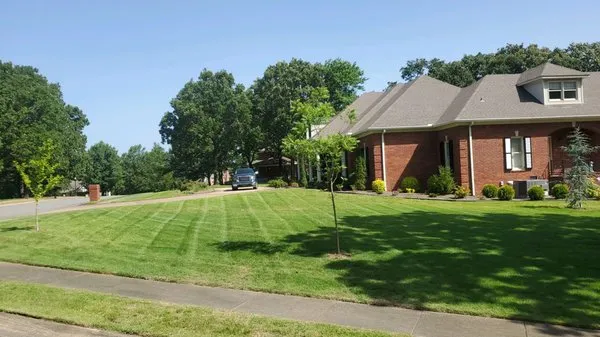
Lawn ReLeaf is a Sherwood-based landscaping and tree service company founded in 2008, bringing over 15 years of dedicated experience to Central Arkansas. Owner-operated with a genuine passion for lawn...
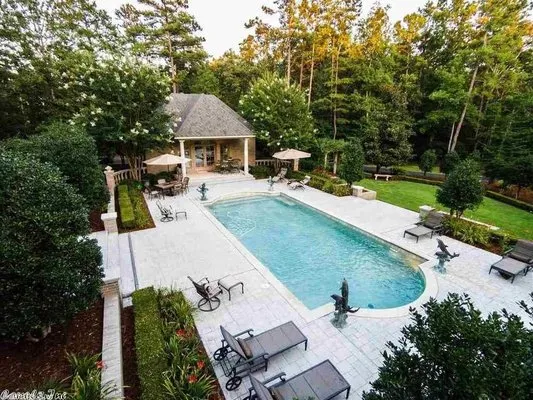
Turf Master
Since 1993, Turf Master has been a trusted name in North Little Rock and Central Arkansas for landscaping and lawn care. Founded by David M. DeBlock with a commitment to quality service and a supporti...
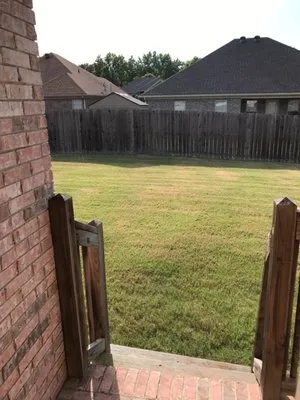
Handyman Lawn Care is a locally owned and operated, fully licensed and insured lawn service provider in Jacksonville, AR. We specialize in dependable lawn maintenance, including mowing, trimming, and ...
Chris Cagle, owner of Timeless Landscapes LLC in Ward, AR, combines years of hands-on expertise with a genuine passion for the craft. While the company is newly established, Chris brings seasoned expe...

Since 2003, Buzz Landscaping has been a trusted, full-service partner for Conway homeowners, dedicated to transforming outdoor spaces. We approach every project—from initial design to ongoing maintena...
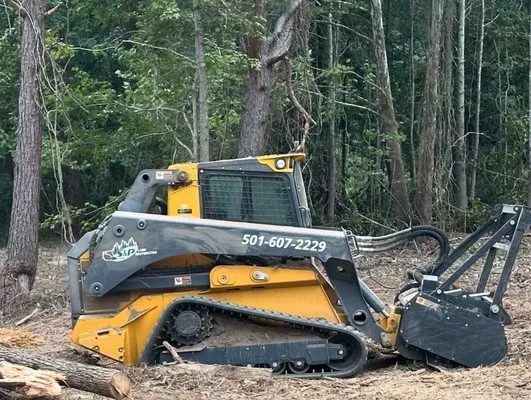
S&P Land Restoration
S&P Land Restoration is a trusted local landscaping and excavation company serving Little Rock, AR. We specialize in comprehensive solutions for residential properties, addressing common issues like m...
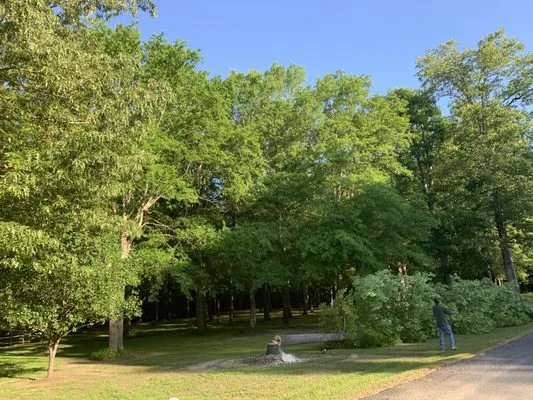
Dylan Tree Service
Dylan Tree Service is a locally owned and operated company in Little Rock, AR, dedicated to enhancing outdoor living spaces. We provide comprehensive landscaping and tree care, from initial design con...
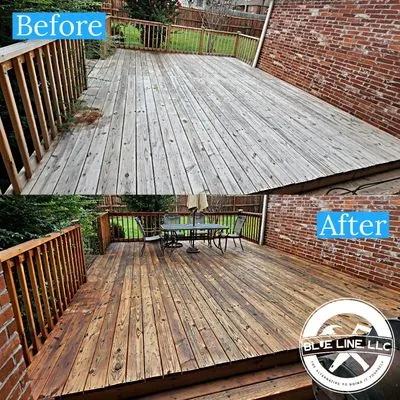
Blue Line, LLC is a Beebe-based landscaping, excavation, and fencing company founded on a deep well of local experience. The business owner brings over 15 years of hands-on knowledge in construction a...
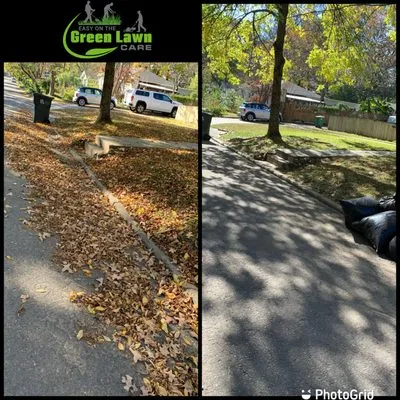
Easy On The Green Lawn Care is a Little Rock-based landscaping service that believes a beautiful outdoor space starts with a strong relationship. We take pride in getting to know our clients and their...
Estimated Landscaping Service Costs in Gibson, AR
Frequently Asked Questions
What permits and licensing are required for significant grading or landscape construction on my property?
Significant grading or construction on a 0.22-acre lot typically requires a permit from the Pulaski County Planning & Development office, especially for work affecting drainage or property lines. The contractor must hold a valid license from the Arkansas Contractors Licensing Board. This ensures compliance with building codes, environmental regulations for runoff, and provides you with legal recourse, protecting your investment and neighborhood integrity.
Why does the soil in my Gibson Historic District yard seem so dense and compacted?
Homes in this neighborhood, built around 1976, have soil that has matured for approximately 50 years. The acidic silt loam common here naturally compacts over decades of standard maintenance and foot traffic. This compaction reduces soil percolation and oxygen availability for roots. Core aeration and incorporating organic compost are necessary to rebuild soil structure and improve permeability for plant health.
My yard has areas of seasonal saturation and moderate runoff. What are the best solutions?
Seasonal saturation is common in Gibson's silt loam soils due to their moderate permeability. Solutions start with regrading to direct surface water away from foundations. For hardscape areas, using permeable Arkansas Sandstone pavers increases ground infiltration, which can help meet Pulaski County Planning & Development standards for stormwater management. Integrating a dry creek bed or French drain system addresses persistent subsurface water issues.
What are low-maintenance, ecologically sound alternatives to traditional lawn grass?
Transitioning high-maintenance turf to a xeriscape of native plants like Eastern Redbud, Purple Coneflower, Switchgrass, and Beautyberry significantly reduces water, mowing, and chemical inputs. These adapted species support local biodiversity and require no gas-powered blowers, aligning with evolving noise ordinances. This creates a resilient landscape that conserves resources and stays ahead of 2026 ecological landscaping standards.
What invasive species should I watch for, and how are they treated under state fertilizer rules?
Common invasive alerts in Zone 8a include Chinese Privet and Japanese Honeysuckle. Treatment involves mechanical removal or targeted, EPA-registered herbicide applications during active growth phases. All treatments must follow State BMPs for nutrient management, which prohibit certain fertilizer applications during designated blackout dates to protect watersheds. A soil test is recommended first to avoid unnecessary chemical use.
How can I maintain a healthy Tall Fescue lawn under Stage 1 voluntary water conservation?
Stage 1 conservation in Gibson is effectively managed with Wi-Fi ET-based weather-sensing irrigation. This system schedules watering by calculating real-time evapotranspiration rates, applying water only when needed and avoiding municipal blackout periods. It deep-waters Tall Fescue to encourage drought-resistant roots, often reducing total water use by 20-30% while preserving turf density and color through the summer.
How quickly can you respond for an emergency storm cleanup to meet HOA compliance deadlines?
For urgent HOA compliance or storm-related emergencies, our dispatch from Gibson Municipal Park via US-167 allows a typical peak response of 20 to 30 minutes. We coordinate routing in real-time to account for traffic, ensuring crews with electric-powered equipment compliant with daytime noise ordinances arrive promptly. This logistics model prioritizes safety and rapid debris removal from your 0.22-acre property.
Is Arkansas Sandstone a better choice than wood for a new patio in terms of longevity and safety?
Arkansas Sandstone offers superior longevity and fire resilience compared to wood. Its mineral composition is non-combustible, contributing to defensible space in areas with a Low Urban/Suburban interface Fire Wise rating. Sandstone requires minimal maintenance, does not rot or warp, and provides permanent permeability when installed with appropriate base materials, making it a durable, climate-adaptive hardscape investment.
