Top Landscaping Services in Fort Smith, AR, 72901 | Compare & Call

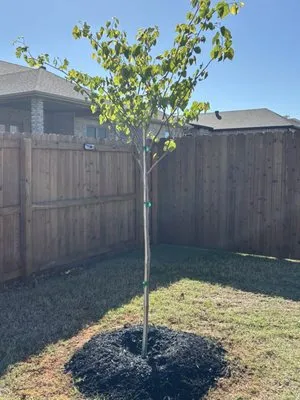
Sharum's Garden Center has been a trusted gardening partner in Fort Smith since 1938. We operate from a large multibay greenhouse stocked with annuals, perennials, tropical plants, and houseplants, pl...
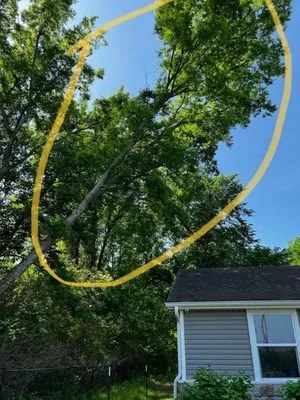
Killian's Tree Service
Killian's Tree Service has been a trusted name in Fort Smith for over 35 years, providing prompt, professional, and reliable tree and lawn care. Our team is equipped to handle any project, from routin...
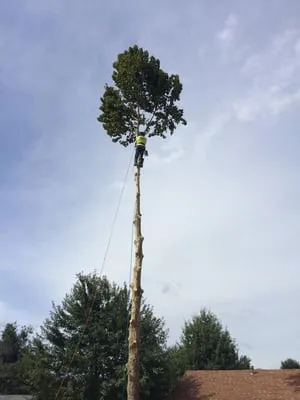
Mike Carroll Tree Service and Construction
Mike Carroll Tree Service and Construction is a veteran-operated, family-owned business proudly serving Fort Smith and the River Valley for over 25 years. Founded and run by Mike Carroll, a USAF veter...
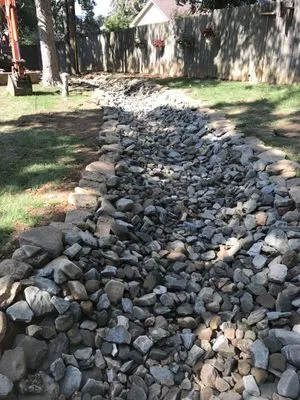
Express Tree & Landscaping Service
With over 20 years dedicated to tree care and 12 years in professional landscaping, Express Tree & Landscaping Service has grown into a comprehensive Fort Smith contractor. We started by focusing on t...

The Lawn Ranger is a dedicated lawn care service based in Fort Smith, AR, specializing in maintaining and improving local lawns. We understand that many homeowners in our area struggle with poor lawn ...
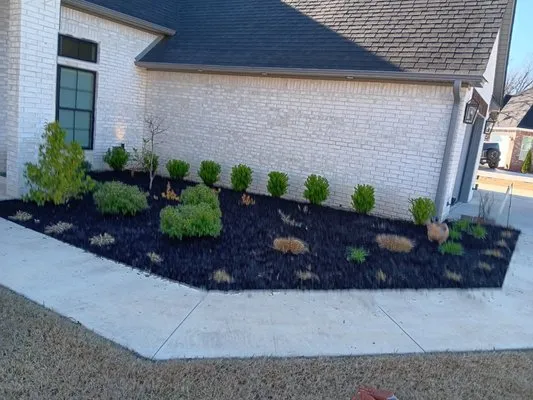
Cruz's Landscaping is a full-service landscaping company serving Fort Smith, AR, specializing in comprehensive solutions for residential and commercial properties. We address common local issues like ...
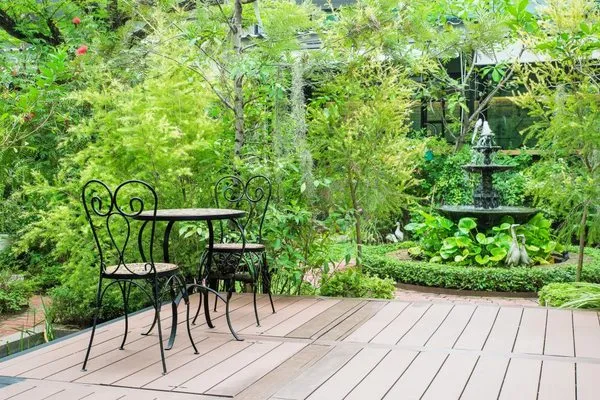
Blue Ribbon Lawn and Landscaping is a full-service Fort Smith landscaping and irrigation company dedicated to solving the unique challenges of our local climate. We specialize in both creating beautif...

Scherrey's Lawn and Landscaping is a dedicated, local lawn care provider serving Fort Smith, AR, and the surrounding River Valley. We specialize in comprehensive lawn care services designed to tackle ...
Family Tree Landscaping is a trusted, locally-owned landscaping company serving Fort Smith, AR, and the surrounding River Valley. We understand the unique challenges local homeowners face, such as per...
Fix'em Up Lawn Care is your trusted Fort Smith lawn care provider, specializing in solutions for the area's common soil challenges. We understand that heavy Arkansas rains can lead to damaging yard er...
Question Answers
How do I safely control invasive species like Japanese stiltgrass without violating fertilizer regulations?
Invasive species management requires timing applications outside state BMP guideline blackout periods when ground is frozen. Manual removal before seed set in late summer is most effective for many invasives. Spot treatment with EPA-approved herbicides in early growth stages minimizes chemical use. Always follow Arkansas State Board of Landscape Architects guidelines for application rates and protective measures.
Why does my Belle Grove Historic District yard have such dense, compacted soil that struggles to absorb water?
Fort Smith homes built around 1977, like many in this neighborhood, have soil that has matured for approximately 49 years. Acidic silty clay loam, common here, tends to compact over decades without intervention. This reduces permeability and creates poor drainage conditions. Core aeration every 1-2 years and adding 2-3 inches of organic compost can improve soil structure and water infiltration.
What low-maintenance alternatives to traditional turf can reduce noise and maintenance in my yard?
Transitioning to native plantings like Purple Coneflower, Black-eyed Susan, and Little Bluestem creates biodiverse landscapes requiring minimal maintenance. These species are adapted to USDA Zone 7b conditions and support local pollinators. Electric equipment operation aligns with noise ordinance restrictions on gas-powered blowers. Native landscapes typically need 75% less water and no chemical inputs once established.
How can I maintain Tall Fescue and TifTuf Bermuda grass during Fort Smith's voluntary water conservation periods?
Wi-Fi ET-based weather sensing irrigation systems calculate evapotranspiration rates to apply only necessary water. These systems adjust schedules based on real-time weather data, reducing usage by 20-30% compared to traditional timers. This preserves turf health while staying within municipal water limits. Deep, infrequent watering encourages deeper root growth for better drought tolerance.
What permits and professional credentials are required for grading work on my 0.22-acre property?
The Fort Smith Development Services Department requires grading permits for significant earth movement on residential lots. For professional design and installation, the Arkansas State Board of Landscape Architects licenses qualified professionals. On 0.22-acre properties, even minor grading can affect drainage patterns and require engineered solutions. Always verify contractor licensing before beginning work that alters site topography.
How quickly can you respond to an emergency tree cleanup after a storm to meet HOA compliance deadlines?
Our electric maintenance fleet operates within standard noise ordinance quiet hours (10 PM-7 AM) for minimal disruption. From the Fort Smith National Historic Site, we route via I-49/I-540 to reach Belle Grove Historic District properties within 20-30 minutes during peak storm response. This allows same-day assessment and debris removal to maintain neighborhood standards.
Why choose Arkansas sandstone over wood for patios in fire-prone areas of Fort Smith?
Arkansas sandstone pavers offer superior longevity and fire resistance compared to wood decking. With Fort Smith's moderate urban interface fire-wise rating, non-combustible materials create defensible space around structures. Sandstone withstands freeze-thaw cycles in Zone 7b and requires minimal maintenance. Proper installation with permeable bases also addresses drainage concerns on clay soils.
What solutions prevent water runoff on my clay-dominant slope while meeting city requirements?
High runoff potential on acidic silty clay loam requires engineered drainage solutions. Installing permeable Arkansas sandstone pavers with gravel bases increases infiltration rates. The Fort Smith Development Services Department requires drainage plans that manage stormwater on-site. French drains or dry creek beds with native plants can redirect water while meeting runoff standards for 0.22-acre lots.
