Top Landscaping Services in Farmington, AR, 72704 | Compare & Call
There are 218 landscaping companies server in Farmington AR
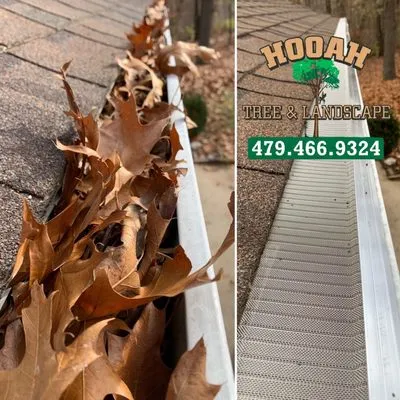
Hooah Tree and Landscape
At Hooah Tree and Landscape in Bentonville, we focus on enhancing the beauty and value of your property through thoughtful, detailed design and construction. Our process begins with a thorough consult...
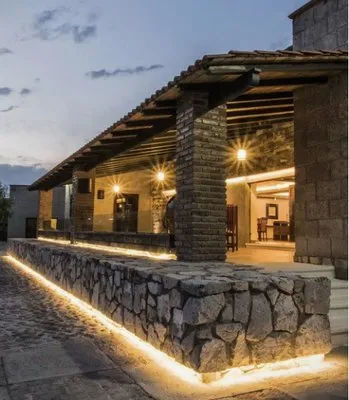
Natural State Stone Works
Natural State Stone Works is a family-owned masonry and landscaping business serving Rogers, AR, and the surrounding Northwest Arkansas communities for over 20 years. With deep roots in Benton and Was...
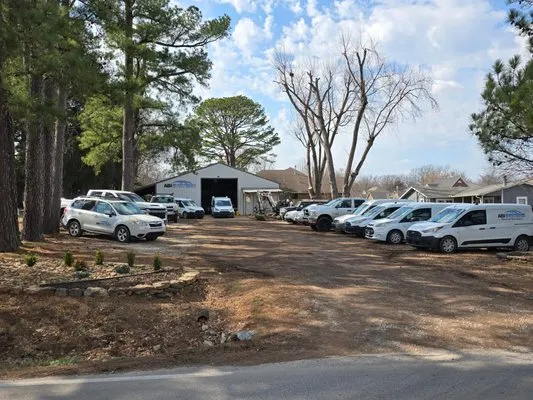
At ABI Systems in Farmington, AR, we provide comprehensive landscape and irrigation services tailored to the unique needs of Northwest Arkansas properties. Our focus is on custom irrigation solutions,...
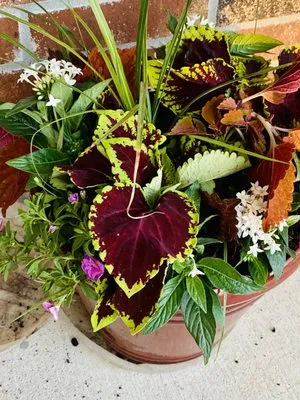
Local Landscapes By Wendy Ewing & Sons
Local Landscapes By Wendy Ewing & Sons is a family-run landscaping and design firm serving Fayetteville, AR, and the surrounding areas. They provide comprehensive solutions for common local landscapin...

Zac's Lawn Care is a family-owned lawn service in Fayetteville, AR, founded in 2014 by retired firefighter Travis DuPriest and his son Zachery. With deep roots in the community—Travis served over 20 y...
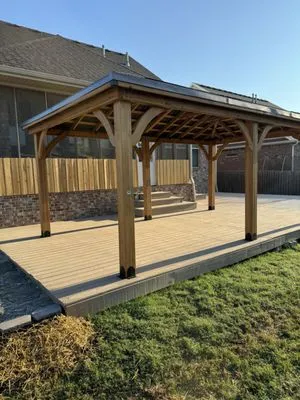
Natural Landscapes & Designs
Natural Landscapes & Designs is a licensed landscaping company serving Bentonville, AR, specializing in transforming outdoor spaces with durable, beautiful solutions. We focus on integrating natural e...
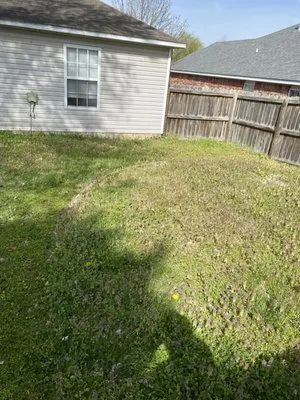
Boo's Lawn Care is a father-son team based in Fayetteville, AR, specializing in reliable lawn services. Founded when Trey (nicknamed 'Boo') wanted to earn summer money, they started with a repaired pu...
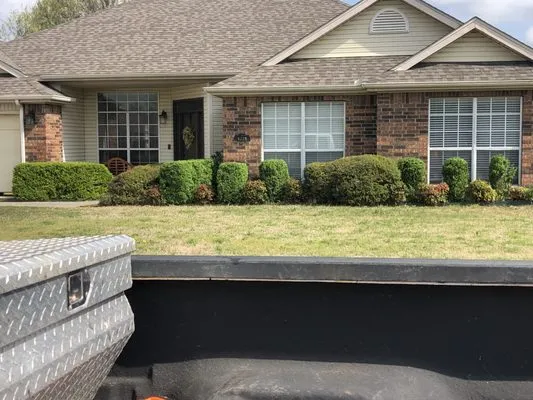
Hilltop Landscaping is a professional landscaping company based in Bethel Heights, AR, dedicated to serving Fayetteville, Bentonville, Rogers, and the surrounding Northwest Arkansas communities. We sp...
Weed Man in Springdale, AR is a locally operated lawn care and pest control provider with over 40 years of experience serving Northwest Arkansas homeowners. We specialize in creating healthy, vibrant ...
Ozark Lawn & Landscapes
Ozark Lawn & Landscapes LLC is a dedicated landscaping contractor serving Fayetteville, AR, and the surrounding communities. We are focused on transforming properties with thoughtful design and reliab...
Estimated Landscaping Service Costs in Farmington, AR
FAQs
My yard stays soggy for days after rain. What's a long-term solution?
Seasonal saturation is common in our acidic silt loam due to its high clay content. A functional solution involves regrading to create positive slope and installing a French drain system. For new patios or walkways, specify permeable base installations using native Ozark Sandstone. This combination increases ground absorption and can help manage runoff to meet Farmington Planning & Development Department standards.
How quickly can you respond to an emergency like a storm-downed tree blocking a driveway?
Our emergency cleanup protocol prioritizes Farmington City Center. A crew dispatched from Bob Folsom Park can take US-62 for direct access, typically arriving within the 20-30 minute peak storm response window. This route avoids residential bottlenecks, allowing for rapid assessment and safe removal of hazardous debris to restore property access and safety.
What invasive species should I watch for, and how do I control them safely?
Be alert for Japanese honeysuckle and bermudagrass encroachment. Treatment involves targeted, foliar-applied herbicide when plants are actively growing, strictly avoiding state BMP blackout dates for applications on frozen ground. For organic suppression, heavy mulching in early March can smother seedlings. Always identify the species first, as treatment timing and method are critical for efficacy and safety.
What permits and qualifications are needed to regrade and reshape my backyard?
Significant regrading on a 0.35-acre lot often requires a land disturbance permit from the Farmington Planning & Development Department to ensure proper erosion control and drainage. The contractor must hold appropriate licensing through the Arkansas Contractors Licensing Board. This is crucial for work that alters water flow patterns, as improper grading can create liability issues and violate municipal codes.
Is there a lower-maintenance, eco-friendly alternative to my traditional lawn?
Transitioning perimeter zones to a xeriscape with native plants like Purple Coneflower, Little Bluestem, and Serviceberry significantly reduces water, mowing, and chemical inputs. These deep-rooted plants build soil health and support 2026 biodiversity targets. This shift also future-proofs your landscape against potential tightening of noise ordinances targeting gas-powered blowers and mowers.
Why does my soil feel so compacted and drain poorly compared to newer neighborhoods?
Farmington City Center lots, developed around 1995, have soils that are now 30-31 years old. Initial construction compacts the native acidic silt loam, and decades of standard lawn care have depleted organic matter. This age and use profile creates a dense layer that impedes percolation and exacerbates seasonal saturation from the underlying clay. Core aeration combined with compost amendments is necessary to rebuild soil structure and porosity.
Is Ozark Sandstone a good choice for a new patio compared to composite or wood?
Native Ozark Sandstone offers superior longevity and permeability compared to wood or solid composites. Its mineral composition withstands freeze-thaw cycles in Zone 7a without rotting or warping. For properties in Moderate Fire Wise zones, its non-combustible nature also contributes to defensible space requirements when used appropriately in landscape design, providing a durable, low-risk hardscape solution.
Can I have a healthy lawn while following the city's voluntary water conservation guidelines?
Yes. Wi-Fi ET-based weather sensing irrigation is calibrated for Zone 7a and is key to compliance. The system adjusts runtime daily using local evapotranspiration data, applying water only when Tall Fescue or Zoysia grass truly needs it. This technology can reduce water use by 20-30% compared to standard timer systems, maintaining turf health while adhering to Stage 1 conservation goals.
