Top Landscaping Services in East End, AR, 72065 | Compare & Call
There are 240 landscaping companies server in East End AR
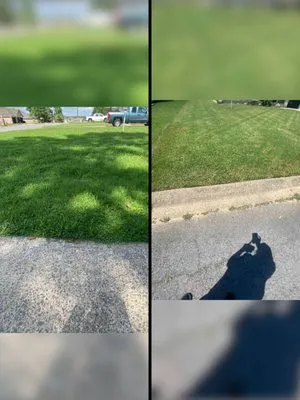
Nicole's Cleaning Service is your trusted Benton neighbor for comprehensive home and lawn care. We understand that local homeowners often face frustrating issues like landscape border damage and poor ...
W&A Lawn Care Services is a licensed and bonded provider serving Little Rock homeowners. We understand that choosing a lawn care company is about more than just a good price; it's about finding a reli...
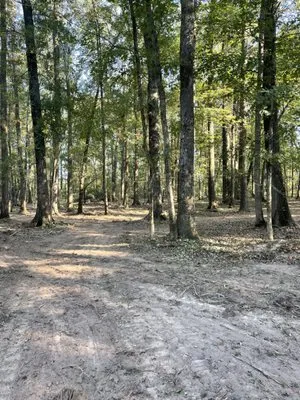
Baker Land Services is a family-run landscape and excavation company serving Benton and Central Arkansas. Founded as a father-son team with a passion for hands-on work and over five decades of combine...
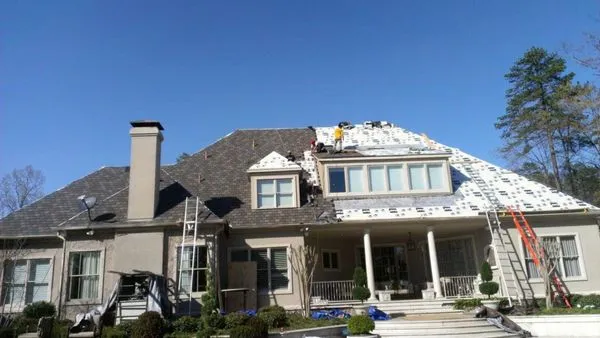
Jv’s Roofing Remodeling and Landscaping
Jv's Roofing Remodeling and Landscaping is a trusted, locally-owned contractor serving Little Rock, AR, with over a decade of experience in roofing, landscaping, and general contracting. We specialize...
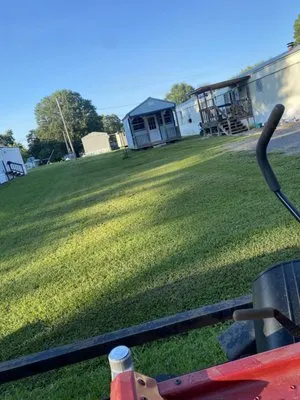
Deep South Landscaping Of Arkansas
Deep South Landscaping Of Arkansas is a family-run business in Little Rock, founded by a dedicated father of four daughters. What started in 2021 as a way to better support his family has grown into a...
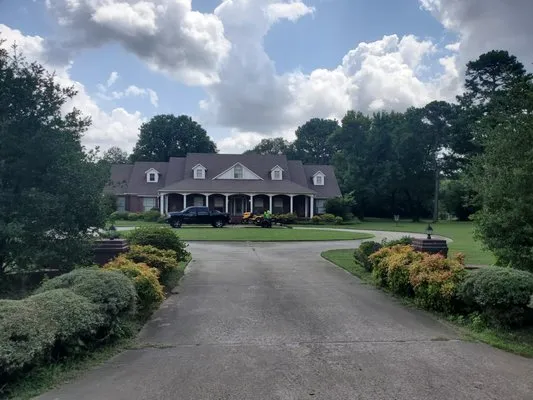
Mabrie Mow N Go provides essential lawn care services for Little Rock homeowners. We understand that local yards often struggle with weed infestation and overgrown hedges, which can detract from your ...
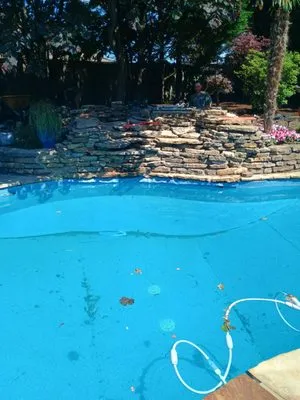
Jacksons Landscaping is a full-service landscaping and masonry company serving Little Rock, AR, with over 20 years of local experience. We specialize in comprehensive solutions for both residential an...
TruGreen Lawn Care in Little Rock, AR is a professional lawn service provider dedicated to helping local residents maintain healthy, beautiful outdoor spaces. As an Official Sponsor of the PGA, TruGre...

Off Duty Lawn And Landscape provides professional lawn care services to homeowners in Tull, Arkansas. We understand the local landscaping challenges, such as insect-damaged lawns and overgrown hedges ...
Ben's Landscape Maintenance is your trusted local partner for a resilient and beautiful yard in Little Rock. We understand the specific challenges homeowners face here, particularly yard erosion after...
Estimated Landscaping Service Costs in East End, AR
FAQs
What should we do about invasive vines and weeds taking over our shrub beds?
Proactive identification and treatment are key for invasives like Japanese honeysuckle or Chinese privet. Manual removal of root systems is most effective, followed by a targeted, spot-applied herbicide in accordance with state BMP guidelines, which prohibit application on frozen ground. Replanting the area with aggressive native groundcovers or Oakleaf Hydrangea helps outcompete future weeds. This strategy manages the alert without violating local fertilizer and pesticide ordinances, protecting watershed health.
What permits and credentials should we verify before hiring for a major regrading project?
Any significant earthwork, especially on a 0.5-acre lot where grading can affect drainage patterns, requires verified licensing. The contractor must hold current registration with the Arkansas Contractors Licensing Board. The Saline County Planning & Development permit office may require a site plan and erosion control assessment for review, particularly if altering runoff. Always request proof of both general liability insurance and workers' compensation to ensure the project adheres to all local building codes and environmental regulations.
Why does the soil in our East End neighborhood seem so compacted and difficult to grow in?
East End's 30-year-old residential lots, developed on native acidic silt loam, have undergone significant soil maturation. Since 1996, repeated construction traffic and standard maintenance have compacted the profile, reducing permeability and limiting root zones. The naturally acidic pH of 5.5-6.2 can lock up essential nutrients like phosphorus. Core aeration combined with incorporating composted organic matter is critical to rebuild soil structure, improve water infiltration, and buffer the pH for a wider range of plants.
How quickly can you respond for an emergency tree cleanup to meet an HOA compliance deadline?
For urgent HOA compliance or storm-related emergencies, our electric fleet allows dispatch within standard daylight operating hours. From a central staging area near East End Elementary School, our route proceeds via US-167, typically resulting in a 25-35 minute arrival during peak periods. This operational window ensures we address immediate hazards like downed limbs while adhering to local noise ordinances, utilizing quieter battery-powered equipment for cleanup and chipping.
Can we have a healthy lawn while following the city's water conservation rules?
Absolutely. Under Stage 1 voluntary conservation, smart Wi-Fi ET-based irrigation is the precise tool for compliance. This system automatically adjusts runtime by using local weather data to calculate evapotranspiration, applying only the water Tall Fescue or Zoysia needs that day. It prevents overwatering during seasonal saturation events, directly conserving municipal water. This technology maintains turf health by delivering deep, infrequent watering that encourages drought-tolerant root growth, staying well within public utility guidelines.
Our yard gets soggy for days after a rain. What's a lasting solution?
Seasonal saturation is common in East End's dense silt loam soils, which have slow percolation. A graded French drain system, daylighting into a rain garden planted with native Switchgrass, can actively redirect moderate runoff. For new hardscapes, specifying permeable base materials like crushed native shale beneath concrete pavers increases surface infiltration. This integrated approach manages water on-site, often meeting Saline County Planning & Development's updated standards for reducing stormwater runoff from residential properties.
Is there a lower-maintenance alternative to our traditional lawn that still looks intentional?
Transitioning high-input turf areas to a layered xeriscape with regionally native plants significantly reduces water, chemical, and maintenance demands. A matrix of Switchgrass, underplanted with Purple Coneflower and American Beautyberry, provides year-round structure and habitat. This landscape requires no weekly mowing, eliminates gas-blower use ahead of tightening noise ordinances, and supports local biodiversity. The deep root systems of these natives also improve soil health and increase resilience to seasonal drought.
Are concrete pavers a better choice than wood for a new patio in our area?
For longevity and fire resilience, concrete pavers on a crushed native shale base are superior to wood. They are non-combustible, contributing directly to a 'Fire Wise' defensible space in this Moderate Wildland-Urban Interface zone. Unlike wood, they do not rot, warp, or attract pests, and their permeability, when installed correctly, aids in local drainage management. This material offers a durable, low-maintenance surface that aligns with both aesthetic preferences and long-term risk mitigation.
