Top Landscaping Services in Decatur, AR, 72722 | Compare & Call
There are 60 landscaping companies server in Decatur AR
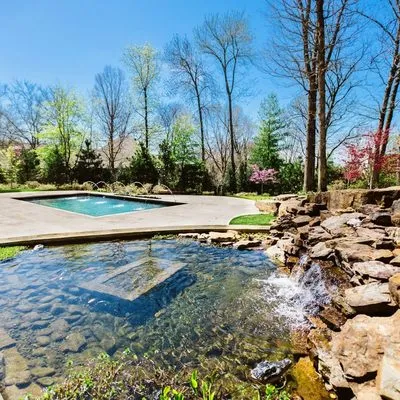
Jiffy Brothers Landscaping is a locally owned and operated business serving Gentry, AR, founded by two brothers dedicated to providing reliable landscaping and house sitting services. With over three ...
Parker Lowe Landscaping is a trusted Fayetteville-based company dedicated to creating and maintaining beautiful, healthy outdoor spaces. We understand the common local challenges homeowners face, such...
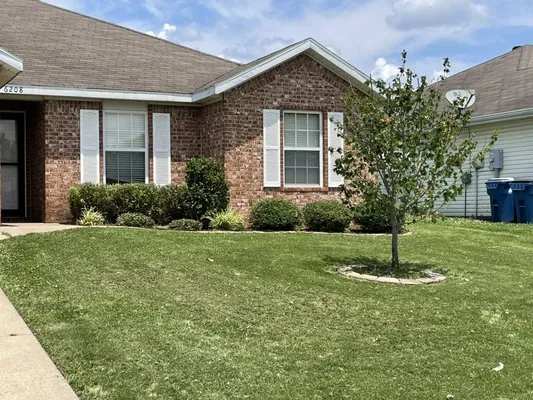
Magnolia Landscaping is a trusted local provider in Pea Ridge, AR, specializing in comprehensive lawn and tree care. We help homeowners address common landscaping challenges like landscape border dama...

Hoppy Services is a trusted, full-service handyman, landscaping, and contracting team serving Rogers, Arkansas. We operate on a simple principle: no job is too big or too small. Whether it's appliance...
Broken Chains in Bentonville, AR, is your trusted local provider for comprehensive outdoor solutions. We specialize in fence and gate installation, repair, and protective staining, alongside expert tr...
West Termite, Pest & Lawn is a locally owned and operated pest control and lawn care provider serving Lowell, Arkansas, and surrounding areas. Founded in 2003 by Randy and Susan West, the company brin...

Land Environmental is a trusted Fayetteville lawn and property services company dedicated to enhancing local outdoor spaces. We specialize in artificial turf installation, cleaning, and repair, as wel...
Crescent Investments Construction is a Springdale-based general contractor specializing in residential construction, flooring, and landscaping services for Northwest Arkansas homeowners. We focus on t...

Maverick Landscapes is a locally owned and operated landscaping business in Rogers, AR, founded by brothers Hunter and his sibling. With engineering backgrounds but a passion for the outdoors, they le...
Patino Landscaping is a trusted local lawn care provider with over two decades of experience serving Springdale and the Northwest Arkansas area. We specialize in comprehensive lawn maintenance and off...
Estimated Landscaping Service Costs in Decatur, AR
Common Questions
Is there a lower-maintenance alternative to my high-water lawn?
Transitioning perimeter areas to a xeriscape of native species like Purple Coneflower, Butterfly Milkweed, and Little Bluestem significantly reduces water, mowing, and chemical inputs. This biodiversity-focused planting is ahead of evolving noise ordinances, as it eliminates the need for gas-powered blowers and frequent trimming. The deep roots of these natives also improve soil structure and sequester carbon, creating a more resilient landscape.
My yard holds water for days after a rain. What's the fix?
Moderate seasonal saturation here is caused by the clay subsoil beneath the acidic silt loam, a common Decatur combination. The solution involves intercepting surface flow with a French drain and replacing problem areas with permeable surfaces. Using native Ozark fieldstone for patios or walkways adds infiltration points. Any regrading for such a system must be designed to meet the Decatur City Planning & Building Department's stormwater runoff standards, which often requires a permit.
With Stage 1 water restrictions, how do I keep my Tall Fescue healthy?
Wi-Fi ET-based weather sensing irrigation is the technical solution for voluntary conservation. The system automatically adjusts runtime based on real-time evapotranspiration data, preventing overwatering during Decatur's humid spells. For Tall Fescue, this means deep, infrequent watering cycles that encourage drought-tolerant root depth. This precise approach often uses less water than a manual schedule while maintaining turf viability, keeping you well within municipal guidelines.
How fast can you respond to an emergency tree cleanup for HOA compliance?
Our dispatch from Decatur City Park via AR-59 allows for a 20-30 minute response to Central Decatur addresses during peak storm events. We maintain an all-electric fleet of chippers and loaders that operate within standard municipal noise hours (8 AM - 8 PM), enabling immediate work upon arrival. This logistics plan is designed for rapid debris removal to mitigate safety hazards and meet typical covenant violation deadlines.
Should I use fieldstone or wood for a new patio?
Native Ozark fieldstone offers superior longevity and requires zero chemical treatments compared to wood, which decays and needs periodic sealing. In the context of Decatur's Moderate Fire Wise rating (WUI Zone 2), stone provides a critical non-combustible defensible space immediately around the home. A properly installed dry-laid fieldstone patio also manages runoff more effectively than a solid concrete pour, aligning with better drainage practices.
Why does my contractor need a special license for a simple regrading project?
In Arkansas, any grading that alters water flow across a property line or involves more than minimal cut-and-fill on a 0.35-acre lot typically requires a licensed contractor. The Arkansas Contractors Licensing Board regulates this to ensure proper erosion control and adherence to engineered plans. The Decatur City Planning & Building Department will not issue the necessary permit without proof of this licensing, protecting you from liability and substandard work.
What's the safest way to handle invasive vines without harming my garden?
Invasive species like English Ivy or Japanese Honeysuckle require targeted, manual removal or precise cut-stump herbicide applications. All treatments must follow State BMP guidelines, which prohibit herbicide drift onto impervious surfaces and have specific blackout dates near waterways. Promoting dense growth of native Eastern Redbud and groundcovers afterward is the best defense, as healthy ecosystems naturally resist reinvasion.
My Central Decatur lawn is thin and drains poorly. What's wrong with the soil?
Homes built around 1991, common in this neighborhood, sit on soils with a 35-year history of compaction. The acidic silt loam topsoil has been depleted of organic matter from years of conventional mowing and leaf removal. This leads to a dense, poorly structured layer that impedes water percolation and root growth. Core aeration combined with a top-dressing of composted leaf mold is required to rebuild porosity and microbial activity. This directly addresses the moderate seasonal saturation issue by improving permeability.
