Top Landscaping Services in Clarendon, AR, 72029 | Compare & Call
There are 162 landscaping companies server in Clarendon AR
The Three JB, EB, and Lil Mark Lawn Services is a local, family-run lawn care team serving Stuttgart homeowners. They specialize in comprehensive lawn care, offering reliable mowing, trimming, and mai...
Premier Lawn Care is Wynne, AR's trusted partner for a healthy, beautiful property. We understand the local challenges homeowners face, from persistent weed infestations in lawns to unruly growth in m...
Lambs Lawn & Landscaping is your trusted local landscaping partner in Wynne, AR, dedicated to keeping your outdoor spaces beautiful and functional year-round. We specialize in addressing the common la...
East Arkansas Lawn Care is your trusted, local lawn care provider in Wynne, AR. We specialize in comprehensive lawn care services designed to tackle the specific challenges Wynne homeowners face, such...

TruPoint Landscaping
TruPoint Landscaping is your local, dedicated partner for a healthier, more attractive property in Newport. We understand the specific needs of Arkansas lawns, providing reliable mowing, trimming, and...
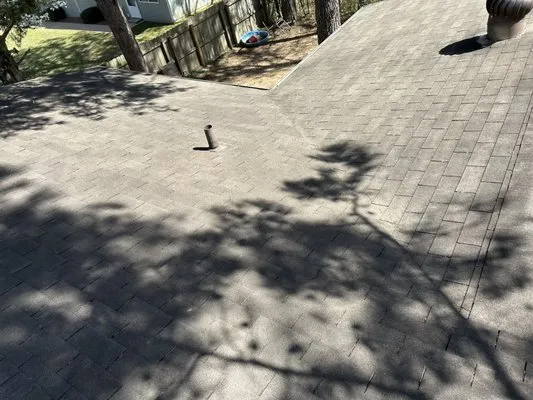
Taylors Property Care is your trusted Heber Springs lawn and gutter specialist. We understand the unique challenges of our local lawns, including compacted soil that chokes grass roots and moss that t...
Greers Ferry Total Property Maintenance
Greers Ferry Total Property Maintenance is your trusted local partner in Higden, AR, specializing in comprehensive tree services, landscaping, and general contracting. We understand the unique challen...

Lake Area Tree Service is your trusted, local partner for maintaining healthy and beautiful landscapes in Edgemont, AR. We specialize in comprehensive tree care and expert landscape maintenance, direc...
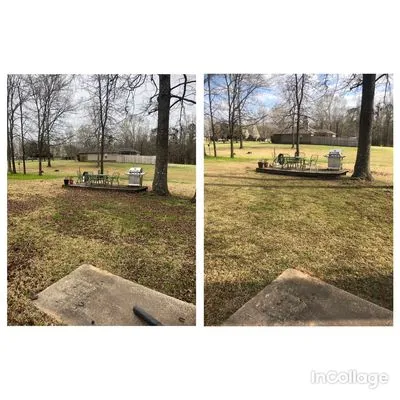
J&J Lawn and Landscape is a Prattsville-based landscaping company providing comprehensive services to homeowners across Grant County. We specialize in addressing the unique challenges of local propert...
Jeremy's Lawn and Sprinkler is a trusted, family-owned and operated business serving Lonoke, AR, and the surrounding areas. We specialize in creating and maintaining reliable irrigation systems and br...
Estimated Landscaping Service Costs in Clarendon, AR
Frequently Asked Questions
Which hardscape materials offer the best longevity and fire safety for Clarendon properties?
Crushed limestone and concrete pavers provide superior durability compared to wood, with 25-30 year lifespans versus wood's 10-15 years. These non-combustible materials contribute to defensible space requirements in moderate fire risk areas. Proper installation with 4-6 inches of compacted base material ensures stability during freeze-thaw cycles. Permeable jointing materials between pavers enhance drainage while reducing heat island effects common with solid concrete surfaces.
How quickly can you respond to storm damage cleanup for HOA compliance in Clarendon?
Emergency storm response from the Monroe County Courthouse area typically requires 45-60 minutes during peak conditions. Crews route via US Highway 79 to access Downtown Clarendon neighborhoods efficiently. This timeframe accounts for debris clearance, safety assessments, and initial stabilization work. Coordination with local utilities ensures downed power lines are addressed before landscape restoration begins.
Why does my Clarendon yard have such compacted soil that struggles to drain properly?
Downtown Clarendon properties built around 1973 have acidic alluvial silt loam soils that have matured for 53 years. This extended timeframe allows clay subsoil to become increasingly dense through natural settling and foot traffic. Core aeration with organic amendments like composted pine bark addresses the pH 5.5-6.5 range while improving soil structure. Regular soil testing every 2-3 years monitors nutrient availability in these established landscapes.
What low-maintenance alternatives exist for traditional turf grass in Clarendon?
Transitioning to native plant communities featuring Eastern redbud, switchgrass, purple coneflower, and butterfly weed reduces maintenance frequency by 60-70%. These adapted species require minimal irrigation once established and support local pollinator populations. This approach aligns with evolving noise ordinances by eliminating gas-powered blower use for leaf management. Xeriscaping principles further decrease water consumption while providing year-round visual interest.
What solutions address poor drainage in my Clarendon yard with high flood potential?
Acidic alluvial silt loam soils often develop poorly drained clay subsoil layers that exacerbate flooding. Permeable crushed limestone installations create infiltration basins that meet Clarendon City Clerk Office runoff standards. French drains with clean gravel and geotextile fabric redirect subsurface water away from foundations. Grading adjustments of 2% slope toward designated drainage paths prevent standing water accumulation during heavy rainfall events.
How should I manage invasive species without violating fertilizer application restrictions?
Japanese stiltgrass and Chinese privet present significant invasive risks in Clarendon's moderate Wildland-Urban Interface zones. Manual removal before seed set in early spring avoids conflict with state BMP guidelines prohibiting nitrogen applications before March 15. Targeted glyphosate applications during dormant periods minimize environmental impact when manual control proves insufficient. Regular monitoring prevents establishment while maintaining soil health through organic matter additions rather than synthetic fertilizers.
What permits and licensing are required for grading work on my quarter-acre Clarendon lot?
Grading projects exceeding 100 cubic yards of soil movement require permits from the Clarendon City Clerk Office and licensed professionals certified by the Arkansas Contractors Licensing Board. On 0.25-acre lots, even modest regrading often triggers these thresholds due to limited space for soil storage. Licensed contractors carry insurance covering potential drainage impacts on adjacent properties. Erosion control plans must be submitted before work begins to prevent sediment runoff into municipal storm systems.
How can I maintain healthy turf while following Clarendon's water conservation guidelines?
Stage 1 voluntary conservation measures work effectively with smart Wi-Fi ET-based controllers that adjust watering to actual evapotranspiration rates. These systems preserve centipede grass or tall fescue by delivering 0.5-1 inch weekly during peak growth periods. Municipal water limits are maintained through cycle-soaking protocols that prevent runoff. Soil moisture sensors provide additional data to optimize irrigation schedules for specific microclimates.
