Top Landscaping Services in Berryville, AR, 72616 | Compare & Call

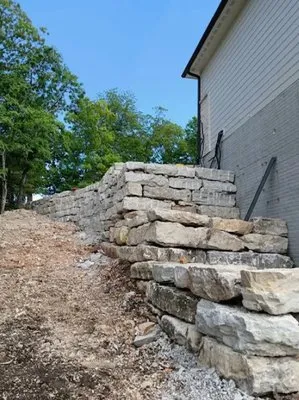
BJM Landscaping is a full-service landscaping company serving Berryville, AR, and the surrounding areas. We specialize in creating and maintaining durable, attractive outdoor spaces. Our services incl...
McGehee Mowing is your trusted, locally-owned lawn care provider in Berryville, AR. We understand the unique challenges homeowners face here, from overgrown hedges that block sunlight and curb appeal ...
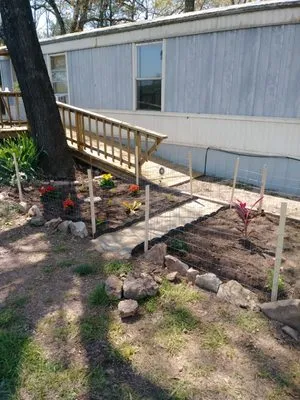
For over a decade, Zakk has been the trusted handyman for Berryville residents, offering reliable and affordable home services. Growing up learning the trade from his father, a general contractor, Zak...
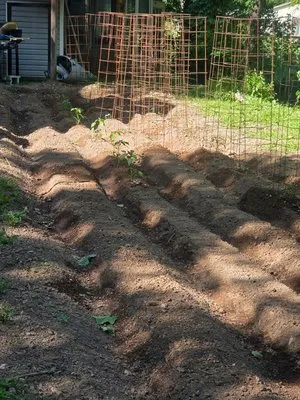
Gourmet Landscaping is your dedicated Berryville partner for creating and maintaining beautiful, resilient outdoor spaces. We understand the unique challenges of Northwest Arkansas soil and climate, w...
Lesters Lawn Care is a trusted, locally-owned lawn service provider dedicated to keeping Berryville properties healthy and beautiful. We specialize in comprehensive lawn care, tackling common local ch...
Jones Lawn Care is your trusted local lawn care provider in Berryville, AR. We specialize in comprehensive lawn maintenance, from regular mowing to health-focused treatments. We understand the unique ...

Yarddawg Landscape & Design
Yarddawg Landscape & Design is a Berryville-based landscaping company with over 25 years of experience serving the Northwest Arkansas region. We specialize in creating personalized outdoor spaces that...
Question Answers
How do I control invasive species without violating fertilizer regulations?
Japanese stiltgrass and Chinese privet present the highest invasive risks in Berryville's acidic soils, outcompeting native vegetation for nutrients. Manual removal combined with targeted organic herbicides applied during active growth phases manages infestations effectively. All treatments follow state BMP guidelines to prevent runoff into local watersheds, avoiding restricted application blackout dates. Soil testing every 2-3 years determines specific amendment needs rather than blanket fertilizer applications, supporting long-term ecosystem balance in 0.25-acre lots.
Why does my Berryville Historic District lawn struggle despite regular care?
Properties built around 1986 have 40-year-old soil profiles that show typical compaction from decades of foot traffic and equipment use. Berryville's acidic silt loam naturally develops poor permeability over time, especially in historic neighborhoods with established landscapes. Core aeration every 2-3 years combined with organic amendments like composted leaf mold addresses this by improving soil structure and microbial activity. This approach restores the 5.5-6.5 pH balance that supports healthy root systems for both turf and native plantings.
Can I maintain Tall Fescue turf during Berryville's Stage 1 water restrictions?
Wi-Fi ET-based weather sensing irrigation systems automatically adjust watering schedules using real-time evapotranspiration data from local weather stations. This technology reduces Tall Fescue water requirements by 25-40% compared to traditional timer-based systems while maintaining turf health. The system calculates precise run times based on soil moisture retention in acidic silt loam, staying well within voluntary conservation guidelines. Programming includes rain delay functions and seasonal adjustments that prevent overwatering during Arkansas's humid summer periods.
How quickly can you respond to storm damage for HOA compliance in Berryville?
Emergency cleanup crews dispatch from Berryville Public Square and take US Highway 62 to reach most Historic District properties within 20-30 minutes during peak response times. This routing prioritizes access to fallen limbs and debris that violate HOA maintenance standards. The team carries electric chainsaws and battery-powered blowers to operate within the 10 PM to 7 AM quiet hours ordinance. All storm response follows Arkansas Contractors Licensing Board requirements for insured tree work on residential properties.
Are native sandstone pavers better than wood for Berryville patios?
Native sandstone pavers offer 50+ year durability with minimal maintenance compared to wood's 10-15 year lifespan in Arkansas's humid climate. The material's natural thermal mass moderates temperature extremes while providing non-combustible surfaces that enhance WUI Zone 2 fire-wise ratings. Properly installed sandstone requires no chemical treatments or sealing that could leach into acidic silt loam soils. The pavers' permeability meets modern runoff standards while complementing Berryville Historic District's architectural character better than composite or concrete alternatives.
What solutions address runoff issues in my clay-heavy Berryville yard?
Moderate runoff problems in clay-heavy subsoil require French drains or dry creek beds that redirect water away from foundations. Installing permeable native sandstone pavers for walkways and patios increases ground absorption by 60-80% compared to concrete surfaces. These systems must meet Berryville Planning and Zoning Department runoff standards for new hardscape installations. Combining drainage solutions with soil amendments improves the silt loam's water-holding capacity while preventing erosion during heavy rain events common in USDA Zone 7a.
Should I replace high-maintenance turf with native plants in Berryville?
Transitioning sections of Tall Fescue to Purple Coneflower, Butterfly Milkweed, Little Bluestem, and Eastern Redbud reduces mowing frequency and irrigation demands significantly. These Arkansas natives establish deep root systems that improve soil structure and support local pollinator populations. The shift prepares properties for evolving noise ordinances that may restrict gas-powered equipment during extended quiet hours. Native plantings also contribute to WUI Zone 2 fire-wise compliance by creating defensible space with fire-resistant vegetation.
What permits and licenses are required for grading my 0.25-acre Berryville property?
Grading projects exceeding 100 cubic yards of soil movement require permits from the Berryville Planning and Zoning Department, with specific requirements for erosion control on sloped lots. Contractors must hold Arkansas Contractors Licensing Board certification for earthwork operations, ensuring proper bonding and insurance coverage. The licensing verifies understanding of local drainage patterns and clay-heavy subsoil challenges in USDA Zone 7a. Professional grading plans must account for existing tree root zones and utility locations while maintaining positive drainage away from all structures on the property.
