Top Landscaping Services in Ashdown, AR, 71820 | Compare & Call

There are 9 landscaping companies server in Ashdown AR
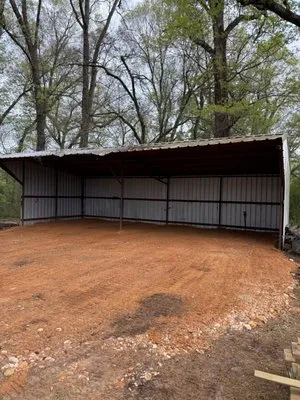
Work Done is a family-owned land maintenance service based in Hope, Arkansas, with over 20 years of experience in the industry. Established in 2015, we specialize in bush hogging, mulching, and tree s...
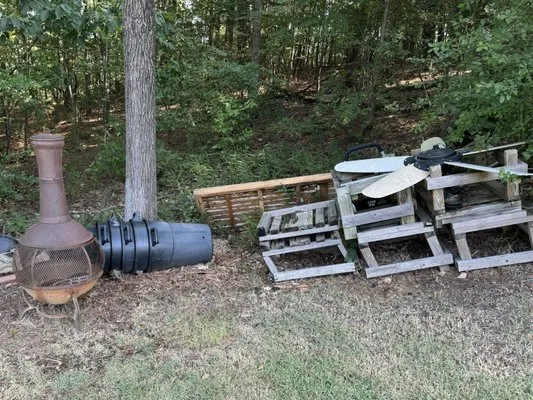
Moya's Mowin And Haulin is a Texarkana-based service dedicated to keeping your property clean and healthy. We specialize in comprehensive lawn care and efficient junk removal, directly addressing comm...
At Carla’s Pro Gig Services in Texarkana, AR, helping people and working with my hands is what I do best. I grew up learning practical skills from my father and have since built on that foundation thr...
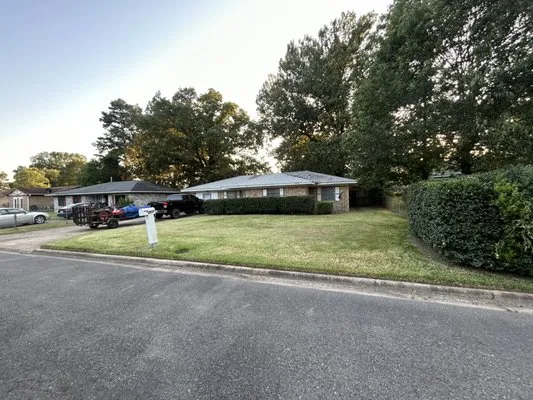
Green Thumb Lawncare is a locally owned and operated lawn service business in Texarkana, AR, founded on a genuine passion for lawn care that began in the owner's teenage years. Starting with just a pu...
Gailey Lawn Services provides reliable lawn care for Texarkana homeowners. We take the hassle out of yard work with consistent weekly or bi-weekly mowing, ensuring your property always looks its best....
J & R Land Management is a trusted, local excavation and landscaping company serving De Queen, Arkansas, and the surrounding areas. We specialize in a full range of services, including excavation, lan...

Rowdy Boys is your local, full-service team in Nashville, AR, ready to handle the heavy lifting and fine details for your home and yard. We specialize in comprehensive junk removal and disposal—from a...
Dorse Lawn Care and Bush Hogging is your trusted Ashdown neighbor for solving common local lawn problems. We specialize in expert lawn care and heavy-duty bush hogging to tackle the specific challenge...
Lisenby Small Engine Lawn Mower & Tiller Repair is a trusted, family-owned shop serving the Ashdown, AR community. We specialize in the expert repair and maintenance of essential lawn and garden equip...
Estimated Landscaping Service Costs in Ashdown, AR
Frequently Asked Questions
My lawn in the Historic District isn't thriving despite regular care. Could the soil itself be the problem?
With homes averaging 47 years of age, the soil profile is mature but likely compacted. The prevalent acidic silt loam has low permeability, leading to poor root oxygenation and water infiltration. A core aeration in early spring or fall, followed by a top-dressing of compost, will address compaction and build organic matter. This mimics natural soil-building processes, encouraging beneficial mycorrhizae and improving the soil's cation exchange capacity for better nutrient availability.
We have unexpected guests arriving and the yard needs immediate attention. How quickly can a crew address this?
For an emergency cleanup or HOA compliance visit, a crew can typically be dispatched within the same business day. From a central dispatch point like the Little River County Courthouse, the route via US Highway 59 into the Historic District allows for a reliable 20-30 minute arrival, even during peak periods. Our electric maintenance fleet operates quietly within standard quiet hours, enabling flexible scheduling to meet your urgent timeline without disruption.
What should I verify before hiring someone to regrade my quarter-acre lot?
Any significant grading that alters water flow or involves cut/fill exceeding 18 inches typically requires a permit from the Ashdown Planning and Zoning Department. Crucially, ensure the contractor holds a current license from the Arkansas Contractors Licensing Board. This license is mandatory for earthwork projects of this scale and provides you recourse for workmanship issues. Always request proof of both licensure and general liability insurance before work begins.
Is crushed sandstone a better choice than wood for a new patio?
Crushed native sandstone offers superior longevity and permeability compared to wood, which decays and requires chemical treatment. Its inorganic nature provides a stable, low-maintenance surface that doesn't contribute to termite issues or fuel loads. In areas with a Low to Moderate Fire Wise rating, using non-combustible materials like stone for patios and pathways contributes to defensible space, enhancing property safety and resilience.
Our backyard has standing water after heavy rains. What's a long-term solution?
Seasonal waterlogging is common in the area's dense silt loam. A French drain system, directing water away from foundations, is often the most effective remedy. For new hardscapes, specify permeable installations using crushed native sandstone or gravel-set concrete pavers to increase ground absorption. These solutions manage runoff on-site, which aligns with modern stormwater management standards often reviewed by the Ashdown Planning and Zoning Department.
I want a lower-maintenance, eco-friendly yard. What should I plant?
Transition high-maintenance turf areas to a palette of regionally native plants like Eastern Redbud, Purple Coneflower, and Switchgrass. These species are adapted to our Zone 8a climate and acidic soil, requiring minimal irrigation and no chemical inputs once established. This xeriscaping approach significantly reduces mowing and blowing, future-proofing your property against potential gas-powered equipment restrictions and supporting local biodiversity.
What are the most common invasive weeds here, and how do I control them safely?
Watch for invasive species like common bermudagrass encroachment in flower beds and Japanese honeysuckle vines. Manual removal is most effective for small infestations. For broader control, use a selective, post-emergent herbicide applied in late spring or early fall, carefully following Arkansas BMP guidelines to avoid nutrient runoff. Always adhere to any product-specific blackout dates to protect local waterways and soil health.
How can I keep my Zoysiagrass healthy during summer without wasting water?
Utilize a smart Wi-Fi irrigation controller paired with in-ground soil moisture sensors. This system schedules watering based on actual evapotranspiration (ET) rates and soil conditions, preventing overwatering. While Ashdown has voluntary conservation, this technology ensures your turf receives deep, infrequent irrigation that promotes drought-tolerant root growth. This method often uses 20-30% less water than traditional timer-based systems while maintaining turf health.
