Top Landscaping Services in Alexander, AR, 72002 | Compare & Call
There are 188 landscaping companies server in Alexander AR
Roots Home Services is a trusted, locally-owned provider in Little Rock, dedicated to enhancing and maintaining your property. We bring a straightforward, reliable approach to a wide range of outdoor ...

Abraham's Lawn Services is a trusted, locally-owned lawn care provider serving homeowners throughout Little Rock, Arkansas. We understand the unique challenges of maintaining a healthy lawn in our cli...
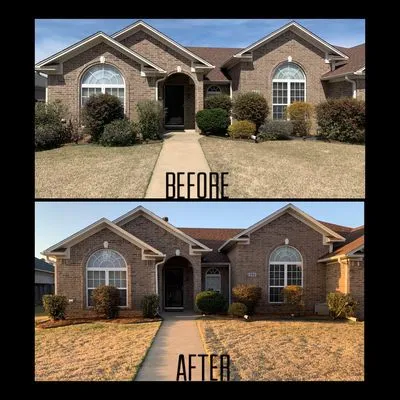
Diamond Lawn is a Conway-based landscaping company built from the ground up by an industry professional with over two decades of experience, starting in 2004. We focus on creating lasting relationship...
E&P Lawn and Landscaping is a dedicated, family-run lawn care service based right here in Benton, AR. We believe in respecting your time, which is why we guarantee punctuality for every appointment. A...

Lawnserve of AR is a family-owned lawn care business based in Maumelle, Arkansas, just outside Little Rock. We provide professional, full-service lawn care with a personal touch, treating every yard a...
Terra Corporation
Terra Corporation is a Little Rock-based design and construction firm that transforms outdoor living spaces. We specialize in a holistic approach, from initial landscape and irrigation design to the c...
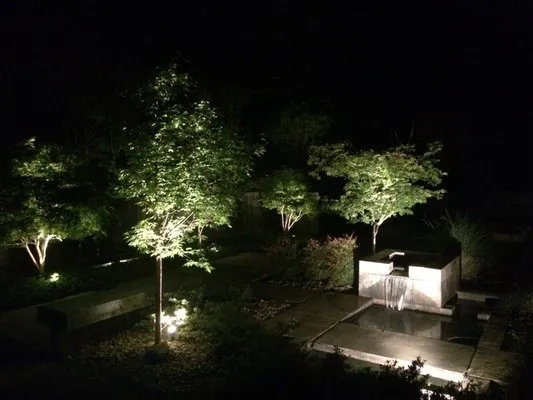
Irrigation Pro & Landscaping is your locally owned and operated resource for comprehensive landscape and irrigation care in Hot Springs. Owner Joe brings over 15 years of hands-on experience to every ...
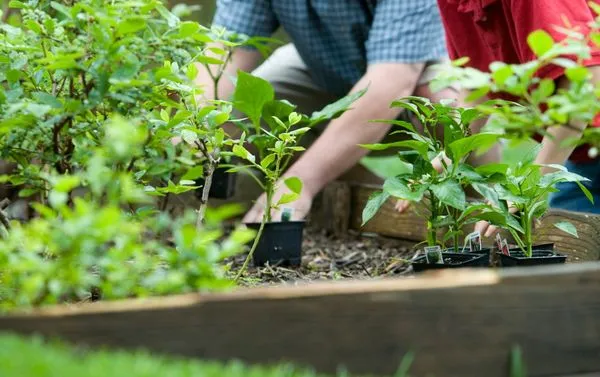
Meticulous Landscapes is a veteran-owned, family-operated landscaping company serving Jefferson and all of Central Arkansas. Founded by a husband-and-wife team—Michael with over 15 years of hands-on e...

Moore Earthworks is a Benton-based excavation and landscaping company with over 25 years of experience serving the local community. We specialize in grading, drainage solutions, landscaping, demolitio...

Founded in 2017, A & M Home Improvement is a Sherwood-based, full-service company dedicated to enhancing your home and property. We combine skilled craftsmanship with a straightforward, customer-focus...
Estimated Landscaping Service Costs in Alexander, AR
Question Answers
I want to reduce mowing, blowing, and watering. What are the most effective low-maintenance alternatives for my yard?
Transitioning to a landscape anchored by regionally native plants is the most effective strategy. A matrix of Little Bluestem and Switchgrass, punctuated with Purple Coneflower and Black-eyed Susan, creates a resilient, low-water plant community that thrives in our acidic soil. This approach drastically reduces mowing frequency, eliminates the need for gas-powered leaf blowers (a growing noise ordinance concern), and provides superior habitat for pollinators, aligning with 2026 biodiversity and sustainability standards.
I've spotted what looks like invasive Japanese Knotweed starting near my property line. How should I handle it?
Japanese Knotweed is a high-priority invasive that requires immediate and persistent management. For a new infestation, careful foliar application of a glyphosate-based herbicide in late summer or early fall when the plant is translocating nutrients to its roots is most effective. This timing avoids the state BMP's blackout period prohibiting applications on frozen ground. Never mow or compost it, as this spreads fragments. Consistent monitoring and treatment for 3-5 years is typically necessary for eradication.
We want to regrade part of our 0.35-acre lot to fix a slope. What permits or licensed professionals do we need?
Any significant regrading that alters water flow or involves substantial cut and fill typically requires a permit from the Saline County Planning & Development office. Due to the complexity of managing drainage on silty clay loam, this is not a DIY project. The work must be under the supervision of a licensed landscape architect registered with the Arkansas State Board of Landscape Architects or a licensed contractor, as improper grading can create liability by affecting neighboring properties and municipal stormwater systems.
With Stage 1 water conservation in effect, how can we keep our Tall Fescue healthy without wasting water?
Effective irrigation under voluntary conservation mandates a shift from timed schedules to demand-based watering. A Wi-Fi ET (evapotranspiration) based smart controller uses local weather station data to apply water only when the turfgrass actually needs it, often reducing usage by 20-30%. For Zone 8a, this typically means deep, infrequent watering in the very early morning to minimize evaporation loss. This system is precise enough to maintain your Tall Fescue while keeping your property well within municipal water use expectations.
We're adding a patio and are deciding between wood decking and stone. Which is better for longevity and safety here?
In Alexander's climate and within the Moderate (WUI Zone 2) Fire Wise rating area, inorganic materials like crushed sandstone offer clear advantages. They provide a permanent, non-combustible surface that contributes to defensible space. Compared to wood, which requires regular sealing and is susceptible to moisture decay from our humid summers, sandstone or permeable concrete offers superior longevity with minimal maintenance. Its permeability also addresses our core drainage challenges, making it a multifunctional choice.
We get persistent puddles in our lawn after rain. What's the best long-term fix for this drainage issue?
Seasonal ponding is a direct characteristic of the high-clay-content soil here, which has very low permeability. The long-term solution integrates subsurface and surface strategies. Installing a French drain system to intercept and redirect groundwater is often necessary. For any new patios or walkways, specifying permeable concrete or crushed sandstone allows stormwater to infiltrate on-site, which aligns with Saline County Planning & Development's emphasis on managing runoff. These materials work with the soil, not against it.
Our yard's soil seems hard and lifeless compared to the park. Is this a common problem for our neighborhood?
It is a direct result of your property's age and construction history. Lots in Alexander City Center, built around 2002, have soil that is approximately 24 years old and has undergone significant compaction from initial grading and standard maintenance. The prevalent acidic silty clay loam naturally compacts, reducing percolation and root penetration. Core aeration followed by incorporating 2-3 inches of composted organic matter is the foundational step to rebuild soil structure and biology, moving it toward a healthier, more resilient state.
We have a major tree limb down from a storm and need an emergency cleanup to meet HOA rules. How fast can a crew get here?
Our standard emergency response protocol for the Alexander area is 20-30 minutes during peak events, provided crews are not already deployed to a higher-priority safety hazard. The dispatch route from our central staging at Alexander City Park proceeds south via local roads to I-30, allowing for rapid access to City Center neighborhoods. We operate a fleet of electric chippers and hauling vehicles compliant with the 7:00 AM noise ordinance start time, ensuring we can begin work immediately upon arrival without violation.
