Top Landscaping Services in Roanoke, AL, 36274 | Compare & Call

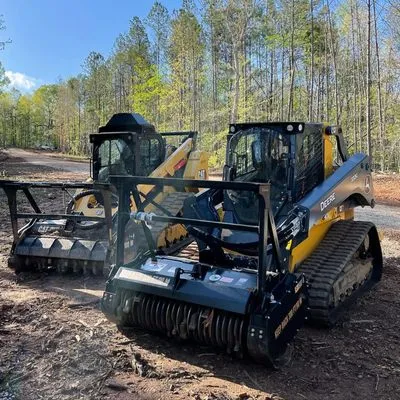
Time Saver Land Management is a family-owned lawn and land management service based in Roanoke, AL, specializing in forestry mulching, soil conditioning, land clearing, stump grinding, bush hogging, a...

Elite Southern Lawn Care is a trusted, full-service landscaping partner for homeowners in Roanoke, AL. We understand the common challenges local properties face, from overgrown shrubs that obscure you...
Forestree Network Services is your local Roanoke, AL landscaping expert. We understand the specific challenges homeowners in our area face, particularly persistent weed growth in mulch beds and compac...
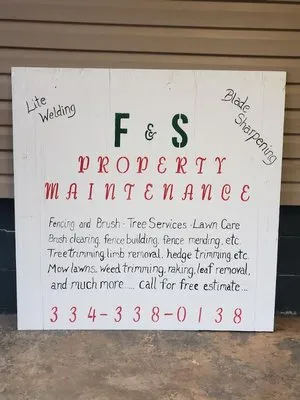
F & S Property Maintenance is a trusted local provider in Roanoke, AL, specializing in fences & gates, landscaping, and tree services. We help Roanoke homeowners maintain beautiful, functional outdoor...
Krystal's Lawn Care Service is your trusted local lawn care expert in Roanoke, AL, dedicated to creating and maintaining healthy, beautiful lawns. We specialize in comprehensive lawn care, including m...

D&E Unlimited Service is a trusted, local provider in Roanoke, AL, dedicated to keeping your property looking its best. We understand the common local challenges homeowners face, such as persistent we...
Bessies Lawncare is a trusted local lawn service provider in Roanoke, AL, specializing in comprehensive lawn care solutions. We understand that many homeowners in our community face common landscaping...
Boggs Lawn Care is your trusted, local partner for a healthier, more attractive yard in Roanoke. We understand the specific challenges homeowners face here, from overgrown shrubs that obscure your hom...
Barrett’s Lawn & Auto is a trusted, family-owned business serving Roanoke, Alabama, and the surrounding communities. We specialize in both professional auto detailing and comprehensive lawn care, offe...
Frequently Asked Questions
What are low-maintenance alternatives to my traditional lawn?
Transitioning to a xeriscape or native plant bed significantly reduces water, mowing, and chemical inputs. A matrix of Switchgrass and Purple Coneflower, underplanted with Oakleaf Hydrangea and Beautyberry, creates a resilient, biodiverse landscape. This shift pre-adapts your property to evolving municipal codes, such as potential gas-powered blower restrictions under the noise ordinance, while providing superior habitat. The deep root systems of these natives also improve soil structure over time.
My yard holds water after a rain. What's a long-term solution?
Moderate runoff is common due to the low permeability of Roanoke's acidic clay loam. Beyond regrading and installing French drains, replacing impervious surfaces with permeable concrete pavers is a strategic solution. These pavers allow stormwater to infiltrate directly into the subsoil, reducing sheet flow and meeting the Roanoke City Planning & Zoning Department's updated runoff management standards. This approach mitigates compaction issues at the source.
If a storm damages my property, how quickly can a crew respond for emergency cleanup?
For urgent HOA compliance or safety-related debris removal, our standard peak storm response window is 20-30 minutes to Downtown Roanoke. The dispatch protocol routes crews from our staging area near Handley Park north via US-431. This efficiency is enabled by a fully electric maintenance fleet, which also complies with municipal noise ordinances for early morning or late evening work if required.
Do I need a permit to regrade my yard or install a drainage system?
Yes, significant grading or drainage work on a 0.35-acre lot typically requires a permit from the Roanoke City Planning & Zoning Department. This ensures plans manage stormwater runoff appropriately. Furthermore, contractors performing this work must hold appropriate licensing through the Alabama Home Builders Licensure Board. Hiring a licensed professional protects you from liability and guarantees the work meets state building and environmental codes, which is crucial for property valuation and insurance.
Why is my soil so dense and compacted, and what can I do about it?
Roanoke's Downtown lots, developed around 1977, have 49-year-old soils that have undergone significant settling. The native Ultisols are an acidic clay loam that naturally compacts under foot traffic and equipment, reducing percolation and oxygen availability. Core aeration in early fall is critical to relieve this compaction. Following aeration, incorporate 1-2 inches of composted pine fines to improve structure and gradually raise the pH closer to neutral for a broader plant palette.
What invasive species should I watch for, and how do I control them?
Vigilance is required for invasive plants like Chinese Privet and Japanese Stiltgrass that thrive in disturbed soils. Manual removal is best for small infestations. For larger problems, targeted herbicide application in late summer, using products with no phosphorus, is effective and complies with local fertilizer ordinances. Always coordinate treatment with the plant's growth cycle for maximum efficacy and minimal environmental impact, avoiding dormant-season applications that waste product.
How can I keep my lawn healthy during water restrictions?
Stage 1 voluntary conservation in Roanoke makes precision irrigation essential. A Wi-Fi ET-based system schedules watering according to real-time evapotranspiration data from local weather stations, applying water only when the turf needs it. This technology is particularly effective for drought-tolerant standards like TifTuf Bermuda, ensuring deep root development while reducing overall consumption. Properly calibrated, these systems often use less water than manual watering under the same restrictions.
Are permeable pavers a better choice than wood for a new patio?
For longevity and reduced maintenance in Roanoke's climate, permeable concrete pavers outperform wood. They do not rot, warp, or attract termites, and their inherent stability prevents heaving in expansive clay soils. Their permeability directly supports your property's Moderate Fire Wise rating (WUI Zone 2) by promoting defensible space without creating flammable, woody borders. The initial investment is offset by a lifespan measured in decades with minimal upkeep.
