Top Landscaping Services in Oneonta, AL, 35121 | Compare & Call

Seven Sons Junk Removal & Lawn Care
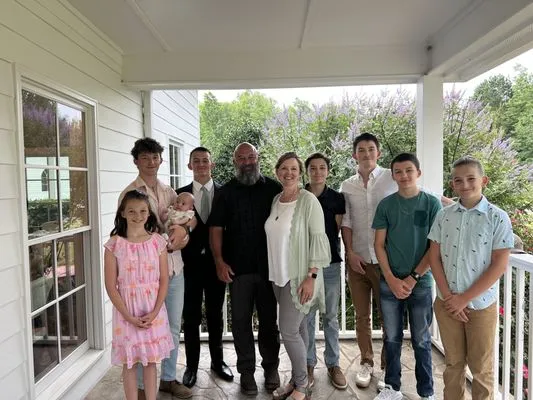
Seven Sons Junk Removal & Lawn Care is a family-owned and operated business serving Oneonta, AL, and the greater Birmingham area. As the name suggests, it's a team built by a family with seven sons, b...
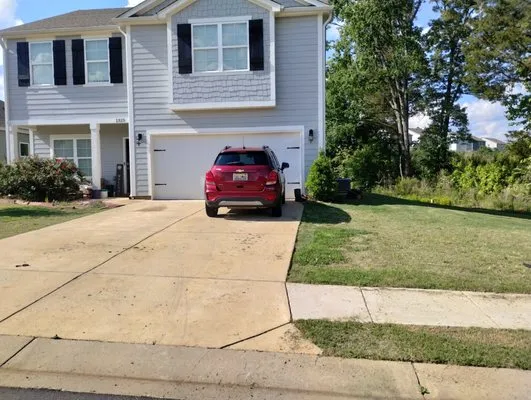
Lawn & Order is a trusted lawn care provider serving Oneonta, AL, specializing in comprehensive lawn maintenance and restoration. We understand the unique challenges local homeowners face, such as sto...

E.G.W Lawn Care is a family-owned landscaping business serving Oneonta, AL, founded by Johnathon Wood in 2016. After experiencing personal loss and wanting more time with his family, Johnathon started...

At South Pioneer Landscape, we are your Oneonta neighbors dedicated to building and maintaining beautiful, resilient outdoor spaces. Serving North and Central Alabama, our team brings years of hands-o...
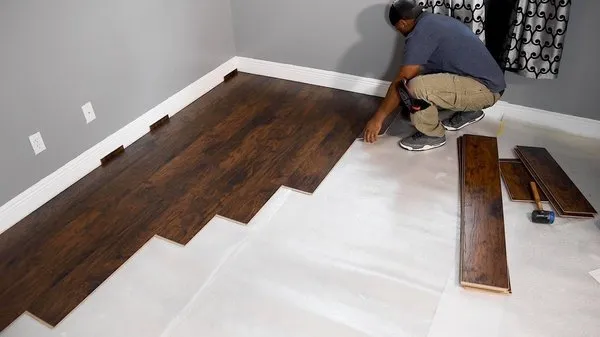
Mccarty Property Maintenance is a trusted, locally-owned company in Oneonta, AL, dedicated to enhancing and protecting residential properties. We specialize in a full spectrum of property care, from e...
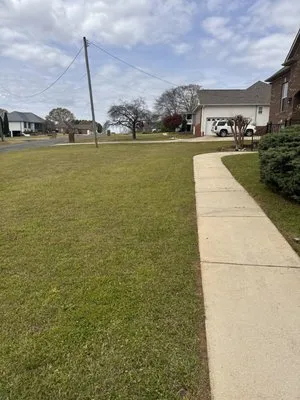
Backwoodz Lawn Care is your trusted local lawn care expert in Oneonta, AL. We specialize in comprehensive lawn maintenance to tackle the common landscaping challenges homeowners face in our area, such...
Lawn In Order is your trusted local lawn care provider in Oneonta, AL. We specialize in comprehensive lawn care services designed to tackle common local landscaping challenges, such as yard soil erosi...
Dneal's Lawn Care and More is your trusted local lawn service provider in Oneonta, Alabama. We specialize in comprehensive lawn care to tackle common local landscaping challenges like persistent weed ...
Kingdom Lawn Care is your local Oneonta, AL lawn service expert, dedicated to creating healthy, beautiful, and functional outdoor spaces. We understand the common challenges Blount County homeowners f...
Ride Glow Audio, serving Oneonta and Blount County, is a trusted local provider of professional lawn care services. We specialize in addressing common area landscaping challenges like standing water a...
Common Questions
How should I manage invasive species like Japanese stiltgrass or Chinese privet in my Oneonta landscape?
Early identification and manual removal prevent invasive species establishment in acidic clay loam soils. Targeted herbicide applications during active growth phases must follow state BMP guidelines to avoid waterway contamination. Treatment timing avoids fertilizer ordinance blackout dates when nutrient runoff risks are highest. Regular monitoring and native plant reinforcement create competitive ecosystems that resist reinfestation while supporting local pollinator populations.
Are sandstone pavers better than wood decking for durability and fire safety in Oneonta?
Sandstone pavers offer superior longevity compared to wood, with 25+ year lifespans versus wood's 10-15 years in Alabama's humid climate. Their non-combustible nature supports moderate Fire Wise ratings by creating defensible space around structures. Proper installation with permeable bases addresses runoff concerns while withstanding freeze-thaw cycles in USDA Zone 8a. This material requires less maintenance than wood and doesn't contribute to wildland-urban interface fire risks.
How can I maintain healthy Tall Fescue or TifTuf Bermuda turf during Stage 1 water restrictions in Oneonta?
Wi-Fi ET-based weather sensing irrigation systems optimize water use by adjusting schedules based on actual evapotranspiration rates. These systems reduce water consumption by 20-30% while preserving turf health during voluntary conservation periods. Programming deep, infrequent watering cycles encourages deeper root growth in acidic clay loam soils. This approach maintains municipal compliance while supporting turf resilience through Alabama's summer heat in USDA Zone 8a.
How quickly can you respond to an emergency tree cleanup after a storm in Downtown Oneonta?
Emergency storm response typically requires 25-35 minutes during peak conditions from dispatch near the Oneonta Public Library. Our route follows AL-75 to access Downtown Oneonta neighborhoods efficiently. We maintain electric equipment fleets that comply with standard noise ordinances during quiet hours (10 PM - 7 AM). This allows rapid HOA compliance work without violating community noise restrictions during early morning or late evening operations.
What solutions address moderate runoff and seasonal saturation problems in my Oneonta yard?
Acidic clay loam soils in Oneonta have naturally low permeability, creating runoff issues during heavy rains. Installing permeable sandstone paver systems allows water infiltration while meeting Oneonta Planning & Zoning Department runoff standards. French drains connected to rain gardens provide additional capacity for seasonal saturation. These solutions improve soil percolation rates and reduce erosion on sloped properties common in the AL-75 corridor.
What permits and licenses are required for grading and drainage work on my 0.35-acre Oneonta property?
Grading projects altering more than 100 cubic yards of soil require permits from the Oneonta Planning & Zoning Department. Contractors must hold appropriate licensing through the Alabama Home Builders Licensure Board for earthwork affecting property drainage patterns. On 0.35-acre lots, even modest grading can impact neighborhood runoff, necessitating professional engineering oversight. These regulations ensure compliance with state BMP guidelines and prevent downstream erosion issues.
What native planting options reduce maintenance while supporting local biodiversity in Oneonta?
Transitioning high-maintenance turf areas to native plantings like Eastern Redbud, Oakleaf Hydrangea, and Purple Coneflower reduces water and chemical inputs. Switchgrass and Beautyberry provide habitat value while requiring minimal care once established. This approach aligns with 2026 biodiversity standards and reduces reliance on gas-powered equipment ahead of evolving noise ordinance restrictions. Native plant communities develop deeper root systems that improve soil structure in acidic clay conditions.
Why does my Downtown Oneonta yard have such dense, compacted soil that struggles to drain properly?
Properties in Downtown Oneonta built around 1972 have soil that has matured for approximately 54 years, developing into acidic clay loam Ultisols with pH 5.5-6.2. This soil type naturally compacts over decades, reducing permeability and creating seasonal saturation issues. Core aeration combined with organic amendments like composted pine bark improves soil structure and drainage. Regular soil testing every 2-3 years helps maintain optimal pH for plant health in this USDA Zone 8a environment.
