Top Landscaping Services in Mobile, AL, 36571 | Compare & Call
There are 220 landscaping companies server in Mobile AL
The Hatcher Group is a trusted, locally-owned contractor serving Mobile, Alabama, with expertise in fencing, masonry, and landscaping. We understand the unique challenges Mobile homeowners face, from ...
Buddyroes Landscape and Lawn is your trusted local expert in Mobile, AL, dedicated to maintaining and enhancing your outdoor spaces. We specialize in comprehensive landscaping, powerful pressure washi...
Goodlife Exterior is your trusted Daphne handyman, landscaper, and painting contractor. We specialize in solving the common local issues homeowners face, like standing water in yards and persistent la...
Booth Pro Landscaping & Lawncare provides professional lawn care and pressure washing services to residential and commercial properties in Wilmer, AL, and the surrounding areas. We understand that you...
King's Lawn and Home is a trusted lawn care provider serving Mobile, AL, and the surrounding communities. We specialize in comprehensive lawn care solutions designed to address common local landscapin...
R & R Landscaping and Demolition is a trusted local service provider in Mobile, Alabama, specializing in both landscaping and demolition solutions. For Mobile homeowners dealing with common issues lik...

Southern Vet Lawn & Landscape is a Mobile-based lawn care provider dedicated to solving common local landscaping issues, particularly lawn drainage problems and poor sod installation. We understand th...
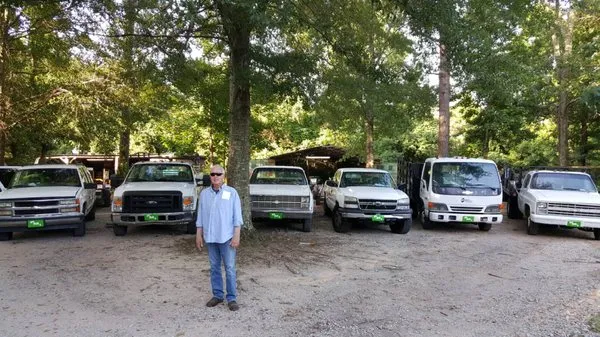
Founded in 1994 and incorporated in 1997 by veteran owner Jay McGuire, Procut Management has grown from a small lawn care service into a trusted, family-owned provider of comprehensive outdoor solutio...
AaronWorks is a trusted landscaping and masonry/concrete contractor serving Mobile, AL. We specialize in addressing common local yard problems like tree root damage to lawns and overgrown shrubs that ...
Jay's Landscape is a trusted local landscaping company serving Mobile, Alabama. We specialize in comprehensive shrub care and landscape maintenance, helping homeowners tackle common local challenges l...
Estimated Landscaping Service Costs in Mobile, AL
FAQs
How do I keep my St. Augustine grass green without wasting water?
Mobile's current 'Monitor-only' water restriction status emphasizes efficiency. A smart Wi-Fi ET-based irrigation controller is essential, as it schedules watering based on real-time evapotranspiration data. For St. Augustine grass, this typically means 0.5 to 0.75 inches of water per week, split into two deep cycles to encourage drought-tolerant roots. This system automatically adjusts for rainfall, ensuring you stay well within any future municipal limits while maintaining turf health.
What's the best way to fix seasonal ponding in my yard?
Localized ponding is common due to Mobile's high water table and the low permeability of compacted sandy loam. A functional solution involves creating a shallow, graded swale lined with a permeable hardscape like shell-infused aggregate or porous concrete pavers. This system directs water away from foundations and meets the Mobile Urban Development Department's runoff management standards. For severe cases, installing a French drain tied to a dry well may be necessary.
How fast can you respond to a storm-damage emergency?
Our emergency cleanup protocol prioritizes safety and HOA compliance. For Midtown, our standard dispatch originates near the Mobile Museum of Art, utilizing I-65 for primary access. Under typical conditions, we project a 25-40 minute arrival during peak response windows. This accounts for debris-related traffic delays while ensuring our electric-powered equipment complies with the 9 PM to 7 AM noise ordinance for after-hours work.
What are my options for a lower-maintenance, eco-friendly yard?
Transitioning sections of high-input turf to a climate-adaptive xeriscape with native plants significantly reduces water, fertilizer, and maintenance needs. We recommend a layered planting of Oakleaf Hydrangea, Yaupon Holly, and Beautyberry, underplanted with Swamp Sunflower. This palette is adapted to Zone 9a, supports local biodiversity, and requires no gas-powered blowers for cleanup—aligning with the trend toward stricter noise ordinances and electric fleet operations.
How should I handle invasive weeds like cogongrass safely?
Cogongrass is a high-priority invasive species alert for our area. Treatment requires a targeted, systemic herbicide applied during active growth phases, strictly avoiding periods forecasted for heavy rain to comply with state BMP fertilizer ordinance blackout dates. Never till infested soil, as this spreads rhizomes. For severe infestations, a licensed professional should implement a multi-year management plan combining chemical and mechanical control to achieve eradication.
Do I need a permit to regrade my backyard?
Yes, significant grading on a 0.22-acre lot typically requires a permit from the Mobile Urban Development Department to ensure compliance with drainage and erosion control ordinances. Furthermore, any contractor performing this work must hold the appropriate license from the Alabama Home Builders Licensure Board. This protects you from liability and ensures the work adheres to state-mandated best management practices, especially concerning stormwater runoff directed toward adjacent properties or public rights-of-way.
Why is my soil so compacted and acidic?
Many Midtown homes were built around 1974, resulting in over 50 years of soil compaction and nutrient leaching from seasonal rains. Your Ultisol/Sandy Loam soil has a natural acidic pH of 5.5-6.0, which has likely worsened over decades. This profile inhibits root penetration and water infiltration. To correct this, we recommend core aeration followed by incorporating 2-3 inches of composted leaf mold, which will buffer acidity and improve soil structure without drastically altering pH.
Are concrete pavers a better choice than wood for a new patio?
For longevity and reduced maintenance in Mobile's humid climate, concrete pavers or shell-infused aggregate are superior to wood. They offer excellent permeability, reducing runoff, and are non-combustible—a key consideration for maintaining defensible space per the Moderate Fire Wise Urban Interface Standards. Their durability and minimal thermal expansion also make them ideal for the local freeze-thaw cycles, providing a stable surface for decades with proper base preparation.
