Top Landscaping Services in Good Hope, AL, 35055 | Compare & Call

Jjs Lawn Care & Landscaping is a trusted local lawn service provider serving Good Hope, AL, and surrounding areas. We specialize in comprehensive lawn care solutions tailored to the unique challenges ...
Segers Lawncare And Landscaping
Segers Lawncare And Landscaping is your dedicated Good Hope partner for creating and maintaining beautiful, functional outdoor spaces. We combine personalized service with comprehensive expertise, han...
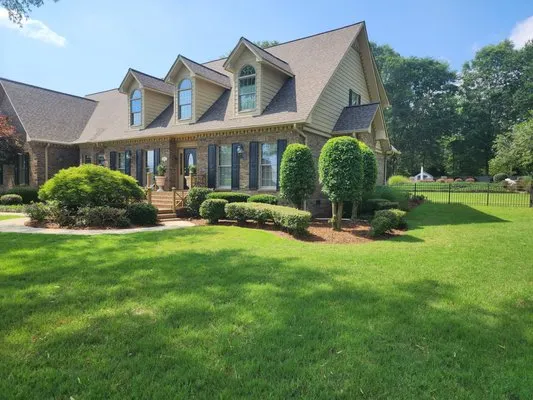
H&H Landscape is a trusted landscaping company serving homeowners in Good Hope, AL, and the surrounding areas. We understand the specific challenges local properties face, including persistent lawn dr...

Mr Bugg's Pest Patrol is your trusted Good Hope neighbor for pest control and comprehensive lawn care. We understand the specific challenges local homeowners face, like the common problem of compacted...
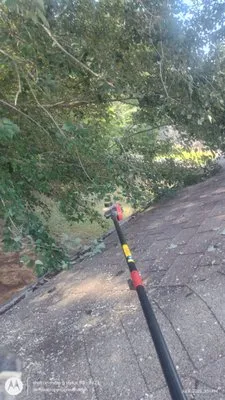
Demoss Property Preservation is your Good Hope, AL, neighbor for reliable landscaping and property care. We specialize in tackling the common local challenges homeowners face, such as invasive lawn mo...
Anthony's Lawn Care is a trusted lawn service provider serving the Good Hope, AL community. We understand the unique challenges local homeowners face, particularly compacted soil and lawn fungus, whic...
Welcome to Clear Water Cleaning Services, your local Good Hope partner for a fresh home inside and out. We specialize in a comprehensive range of services to handle life's transitions and seasonal upk...
Calvert's Lawn Service is your trusted local lawn care expert in Good Hope, AL. We understand the unique challenges faced by homeowners in our community, particularly issues like yard soil erosion and...
1st & 10 YARDServices is a trusted lawn and gutter service provider based in Good Hope, AL, dedicated to keeping local properties healthy and well-maintained. We specialize in comprehensive lawn care,...
Mow Better Lawn Services is a trusted local lawn care provider serving Good Hope, AL, and surrounding areas. We specialize in comprehensive lawn maintenance to address common local landscaping challen...
Question Answers
Why choose sandstone over wood for patio construction in our climate?
Sandstone and paver brick installations offer 50+ year lifespans in Good Hope's Zone 8a conditions, compared to wood's 10-15 year expectancy with required chemical treatments. These non-combustible materials contribute to Firewise USA Community Standards by creating defensible space around structures in moderate-risk zones. Their thermal mass properties moderate temperature extremes while their permeability supports groundwater recharge, unlike impervious concrete alternatives.
How should I handle invasive species like Japanese stiltgrass without harming my existing plants?
Japanese stiltgrass and Chinese privet pose significant threats in Good Hope's acidic soils, requiring targeted manual removal before seed set in late summer. Spot treatments with glyphosate alternatives can be applied during dry periods, carefully avoiding State BMP guideline blackout dates before forecasted heavy rain. Establishing competitive native groundcovers like Purple Coneflower creates ecological resistance while maintaining soil health without violating fertilizer ordinance protocols.
Why does my Good Hope City Center lawn have such compacted soil that struggles to absorb water?
Properties in Good Hope City Center built around 1980 have 46-year-old soil profiles that have experienced decades of foot traffic and maintenance compaction. The acidic clay loam Ultisols common here naturally harden over time, reducing permeability and creating runoff issues. Core aeration every 2-3 years combined with organic amendments like composted pine bark can improve soil structure and water infiltration. This addresses the pH 5.5-6.2 range while enhancing microbial activity for healthier turf establishment.
How quickly can you respond to an emergency tree cleanup after a storm in Good Hope?
Our electric maintenance fleet can dispatch from Good Hope Municipal Park within 20-30 minutes during peak storm conditions, traveling via I-65 to reach most City Center locations. This rapid response time meets HOA compliance deadlines while operating within standard daytime noise ordinance hours. The electric equipment maintains lower decibel levels than traditional gas-powered alternatives, allowing extended work windows when needed for safety-critical situations.
What permits and licenses are required for significant landscape renovations on my property?
Grading work exceeding 100 cubic yards on a 0.35-acre lot requires an erosion control permit from Good Hope City Planning & Development, with engineered plans for slopes over 15%. Contractors must hold Alabama Home Builders Licensure Board certification for structural elements like retaining walls over 4 feet. These regulations ensure proper drainage management and prevent downstream sedimentation issues in the I-65 watershed corridor.
How do smart irrigation systems help maintain my Tall Fescue lawn during Alabama's dry periods?
Wi-Fi smart ET-based weather sensing irrigation calculates evapotranspiration rates specific to Good Hope's Zone 8a climate, applying water only when turfgrass actually needs it. This technology prevents overwatering while maintaining Tall Fescue's 4-6 inch root depth requirements, even during Stage 0 water restriction conditions. The system automatically adjusts for rainfall and humidity, typically reducing municipal water usage by 30-40% compared to traditional timer-based systems.
What solutions exist for the runoff problems I'm seeing on my clay-heavy property?
High clay content Ultisols in Good Hope create moderate runoff potential that requires engineered drainage solutions. Permeable paver brick installations with gravel sub-bases allow water infiltration rates of 5-10 inches per hour, meeting City Planning & Development runoff standards. French drains connected to dry wells provide additional capacity for 0.35-acre lots, while bioswales planted with native Switchgrass further filter stormwater before it reaches municipal systems.
What are my options for reducing lawn maintenance while supporting local ecology?
Replacing high-maintenance turf areas with native plantings like Eastern Redbud, Oakleaf Hydrangea, and Purple Coneflower creates biodiverse landscapes requiring minimal inputs. These adapted species thrive in acidic clay loam without supplemental irrigation once established, reducing mowing frequency and fossil fuel consumption. This approach aligns with emerging electric equipment mandates while providing habitat for pollinators ahead of 2026 biodiversity benchmarks.
