Top Landscaping Services in Glencoe, AL, 35903 | Compare & Call
There are 208 landscaping companies server in Glencoe AL

T & J Services is your trusted local Attalla partner for clearing out the old and preparing for the new. We specialize in junk removal, landscaping, and demolition services to tackle common area chall...

Haynes Hauling is a family-run business in Heflin, built on a foundation of hands-on experience and local service. The owner started by working alongside a seasoned professional in the industry for tw...

Tan's Lawn Care Service is a trusted local provider in Gadsden, AL, specializing in comprehensive lawn care solutions. We understand that many homeowners in our area struggle with poor lawn grading an...
Professional Landscape & Maintenance is Rainbow City's dedicated partner for achieving and maintaining a healthy, vibrant outdoor space. We understand the specific challenges local homeowners face, in...
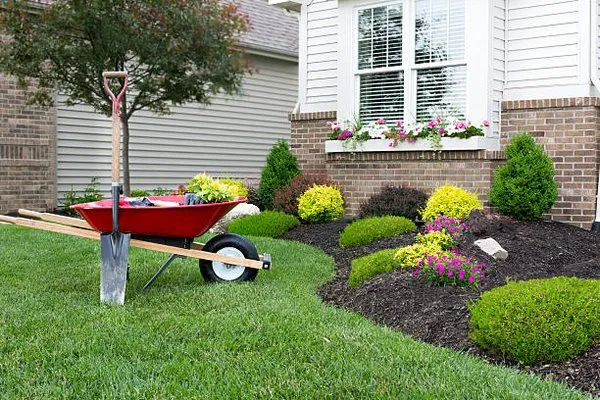
Wade's Lawn Service is your trusted local landscaping partner in Ohatchee, Alabama. We understand the challenges Ohatchee homeowners face, from storm debris cluttering yards after a strong Southern st...
S & S Lawn Care is your trusted, local landscaping partner in Rainbow City, AL. We specialize in solving the common yard problems faced by homeowners here, from persistent lawn drainage issues to unru...
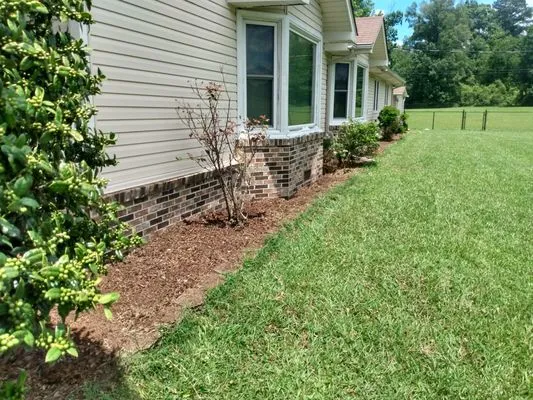
DSLandscaping Alabama is a trusted, full-service landscaping company serving Southside, AL, and surrounding areas. We specialize in solving common local yard challenges, including soil erosion and law...
Turf-Tek Lawn Service is a trusted, locally-owned landscaping company serving homeowners in Gadsden, AL. We understand the common challenges Gadsden properties face, such as tree root damage disruptin...
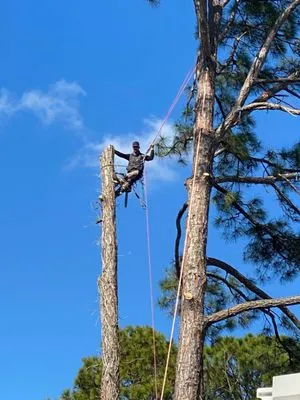
River Oaks is a family-owned excavation and landscaping contractor proudly serving Odenville, Alabama, and surrounding St. Clair County. With over 25 years of experience since our start in 1998, we br...
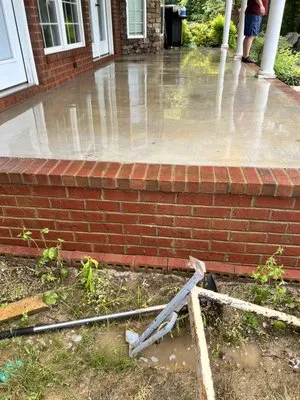
D.C.W Pressure Washing & Lawncare is a trusted local provider in Gadsden, AL, specializing in pressure washing and comprehensive lawn services. We understand that many Gadsden homes face common landsc...
Estimated Landscaping Service Costs in Glencoe, AL
FAQs
What's the best solution for clay-heavy soil runoff in my yard?
Clay-heavy Ultisols in Glencoe require permeability improvements to address moderate runoff. Installing permeable concrete pavers or flagstone with gravel bases creates 30-40% void spaces for water infiltration. These systems meet Glencoe Building & Planning Department runoff standards while preventing compaction. French drains connected to dry wells provide additional capacity during heavy rainfall events common in this region.
What permits and licenses are needed for grading my 0.35-acre lot?
Grading work on 0.35-acre Glencoe properties requires Glencoe Building & Planning Department permits for erosion control and drainage alterations. Contractors must hold Alabama Home Builders Licensure Board certification for earthwork exceeding 50 cubic yards. Professional licensing ensures compliance with state BMP guidelines and proper engineering for slope stability. Unpermitted grading can violate municipal runoff standards and create liability issues.
Should I replace high-maintenance grass with native plants?
Transitioning from weekly-mowed turf to Eastern Redbud, American Beautyberry, Purple Coneflower, and Switchgrass reduces maintenance by 60-70%. These natives thrive in Glencoe's acidic Ultisols without supplemental irrigation. Electric maintenance fleets operate quietly within standard noise ordinance hours, eliminating gas-blower restrictions. This approach aligns with 2026 biodiversity standards while creating habitat corridors.
How quickly can you respond to emergency storm damage for HOA compliance?
Emergency cleanup crews dispatch from Glencoe City Hall via US Highway 431, maintaining 25-30 minute response times during peak conditions. We prioritize electric equipment to comply with standard noise ordinances during quiet hours. For urgent HOA violations like fallen limbs or drainage blockages, same-day assessment is standard. Route optimization accounts for Glencoe's moderate runoff zones to ensure timely access.
Why does my Glencoe Historic District soil feel so compacted and acidic?
Properties in the Glencoe Historic District with 1981-era construction have 45-year-old soil profiles. Acidic Ultisols with pH 5.5-6.0 naturally develop in this region, but decades of foot traffic and clay-heavy composition reduce permeability. Core aeration every 2-3 years combined with organic amendments like composted pine bark can improve soil structure and microbial activity. This addresses the moderate runoff issues common in older Glencoe neighborhoods.
How do I control invasive species without violating fertilizer rules?
Common invasives like Japanese stiltgrass and Chinese privet require targeted mechanical removal before seed set. We apply organic pre-emergents like corn gluten meal during early March peak mulching season, avoiding state BMP blackout dates. Soil testing determines precise nutrient needs, preventing phosphorus overapplication. This integrated approach manages invasives while maintaining soil health in Glencoe's specific conditions.
Are concrete pavers better than wood for Glencoe's climate?
Concrete pavers and flagstone outperform wood in Glencoe's humid Zone 8a climate, lasting 25+ years versus wood's 10-15 year lifespan. These materials maintain structural integrity during freeze-thaw cycles while requiring minimal maintenance. For properties in moderate Firewise Interface Zones, non-combustible hardscapes create defensible space. Their thermal mass also moderates microclimate temperatures around foundations.
How do I keep my TifTuf Bermuda healthy during water restrictions?
Wi-Fi ET-based weather sensing irrigation calculates evapotranspiration rates specific to Glencoe's USDA Zone 8a. This system applies water only when soil moisture drops below optimal levels, typically reducing usage 20-30% compared to timer-based systems. During normal water advisory periods, we program deeper, less frequent cycles to encourage drought-tolerant root development. This preserves turf health while staying well within municipal water limits.
