Top Landscaping Services in Clayton, AL, 36016 | Compare & Call

There are 17 landscaping companies server in Clayton AL
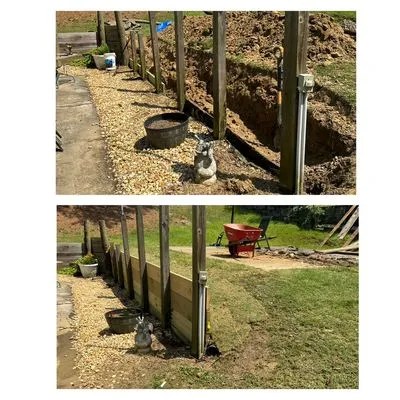
Horizons Edge is a Dadeville-based landscaping and excavation company built on over 20 years of combined hands-on experience. Founded by two friends who personally oversee every project, we bring a co...
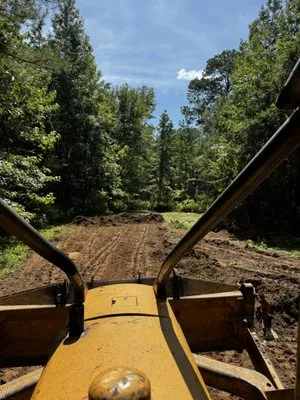
Triple H Property Development
Triple H Property Development is a Luverne-based landscaping, demolition, and excavation company owned by Kevin Husband. With a foundational commitment to hard work and honesty, Kevin started the busi...

A&J Lawn & Handyman Services is a trusted, locally-owned business serving Dothan, AL, and the surrounding Wiregrass region. We provide comprehensive solutions for both your home's interior and exterio...

Premium Petals Landscape is a trusted Dothan, AL-based provider specializing in irrigation and lawn services. We help local homeowners tackle common landscaping challenges like patchy lawn grass and o...
YardMasters Lawn Care Services is a locally owned and operated company in Elba, AL, built on a foundation of honesty and integrity. As the founder and owner, I am committed to providing customizable l...
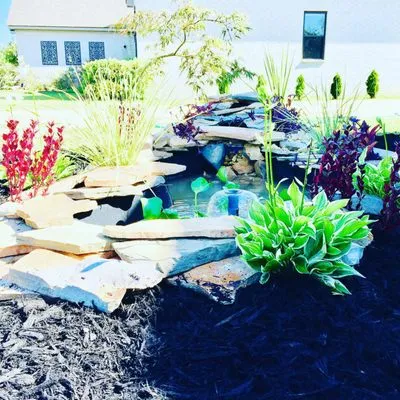
Carden & Company Landscaping and Garden Services
Carden & Company Landscaping and Garden Services is a locally owned and operated business serving Headland and the Wiregrass area for over 15 years. We provide comprehensive residential and commercial...

On The Grind Stump & Tree Removal is a local tree service and landscaping company serving Pansey, AL. We specialize in comprehensive tree care, including pruning, removal, and stump grinding, along wi...
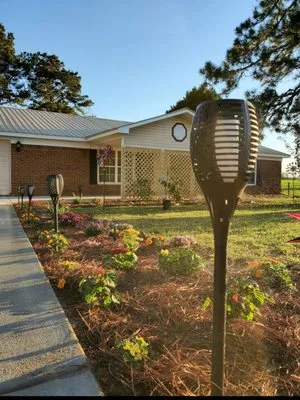
Signature Lawn & Landscape
Signature Lawn & Landscape is a veteran-owned, licensed lawn care and landscaping service based in Daleville, AL, proudly serving the Wiregrass region including Ozark, Enterprise, and Dothan. We provi...

Lsr Forestry Mulching
Lsr Forestry Mulching is a licensed and insured Headland, AL-based company specializing in comprehensive land management and site preparation services. We serve residential and commercial clients thro...

Bobby's Grandson Trucking is a trusted, family-operated service provider in Ariton, AL, specializing in towing, roadside assistance, and lawn care. We understand the unique challenges Ariton homeowner...
Estimated Landscaping Service Costs in Clayton, AL
Common Questions
What permits and contractor credentials are needed to regrade and reshape my backyard?
Regrading a 0.35-acre lot typically requires a permit from the Clayton City Clerk & Planning Department to ensure drainage alterations don't adversely affect neighboring properties. The contractor performing the work must hold appropriate licensing through the Alabama Home Builders Licensure Board. This is critical, as improper grading can create significant erosion or drainage liabilities. Always verify both the permit and the contractor's license before earth-moving work begins.
I'm tired of weekly mowing. Are there lower-maintenance, attractive alternatives to a traditional grass lawn?
Transitioning high-maintenance turf areas to a xeriscape with native plants like American Beautyberry and Black-eyed Susan significantly reduces water, mowing, and chemical inputs. These deep-rooted species are adapted to Zone 8b and our soil pH, building long-term resilience. This shift also future-proofs your property against evolving noise ordinances that may restrict gas-powered blowers and mowers, favoring quieter electric fleet equipment.
Why does the soil in my yard seem so tired and compacted, and what can be done to fix it?
Homes in Historic Downtown Clayton built around the 1970s have Ultisols soil that is now over 50 years mature. This acidic sandy loam naturally compacts over decades, reducing pore space and limiting root growth for Centipede grass. A core aeration program and top-dressing with composted organic matter directly address the low pH and poor permeability to rebuild soil structure. This foundational work is critical before any fertilization or seeding to ensure amendments are effective.
How can I keep my lawn green during the summer without violating the city's water conservation rules?
Clayton's Stage 1 voluntary conservation status is best managed with a Wi-Fi ET-based weather sensing controller. This technology schedules irrigation based on real-time evapotranspiration data, applying water only when your Tifway 419 Bermuda grass truly needs it. This method can reduce water use by 20-30% compared to traditional timers, keeping the turf healthy while respecting municipal water limits. Properly calibrated, it prevents runoff on our sloped, sandy loam soils.
I've spotted what looks like invasive Cogongrass. How should I handle it without harming my landscape?
Cogongrass is a serious invasive species alert for Alabama. Correct identification is crucial, as it requires a specific herbicide regimen. Any treatment must comply with state BMP guidelines, which prohibit nitrogen applications during the turf's dormant season but allow for targeted post-emergent herbicides when the invasive is actively growing. A licensed professional can create a safe, effective eradication plan that protects your desirable plants and soil biology.
My HOA issued a violation notice for overgrowth. How quickly can you respond for an emergency cleanup?
For HOA compliance issues, we can typically dispatch a crew within 24 hours. Our standard route originates near the Barbour County Courthouse and proceeds north on US-431 to reach most neighborhoods. During peak traffic, this results in a 45 to 60-minute travel window. Our electric maintenance equipment allows us to operate within the 7:00 AM to 7:00 PM commercial noise ordinance, enabling immediate work upon arrival to resolve the violation.
Is a clay brick patio a better choice than a wooden deck for longevity and safety in our area?
Local clay brick pavers are a superior choice for durability and fire resistance. Unlike wood, they are non-combustible, require no sealing, and are unaffected by moisture and insects common in our climate. For properties in the Moderate Wildland-Urban Interface Zone 2, using non-flammable materials like brick for patios and walkways directly contributes to creating the defensible space recommended by Firewise principles, enhancing overall property resilience.
Water pools near my foundation after heavy rain. What's a long-term solution for my yard's drainage?
Moderate erosion potential on slopes is common with Clayton's acidic sandy loam, which can crust and shed water. A graded swale or French drain system can redirect surface flow. For patios or walkways, specifying permeable local clay brick pavers increases ground infiltration and can help meet Clayton City Clerk & Planning Department runoff standards. Combining these strategies manages the water volume while protecting your foundation from saturation.
