Top Landscaping Services in Anniston, AL, 36201 | Compare & Call

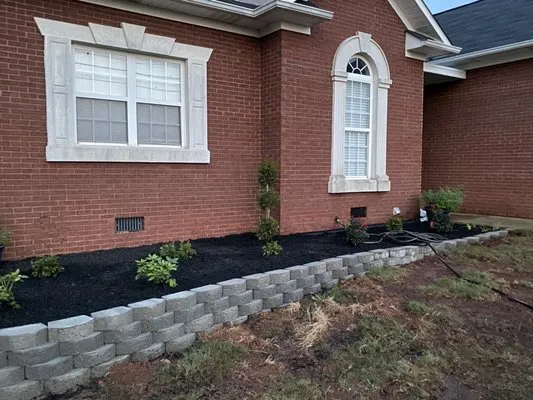
Alexander Landscaping brings a genuine passion for creating beautiful, functional outdoor spaces to Anniston and Calhoun County. Founded in 2019 by an owner whose skills were honed from his grandfathe...

Jay's Lawn Care is a locally owned and operated business serving Anniston, AL and the surrounding Central Alabama area. Founded in 2012 by Jay, a U.S. Army veteran with over 21 years of service, the c...
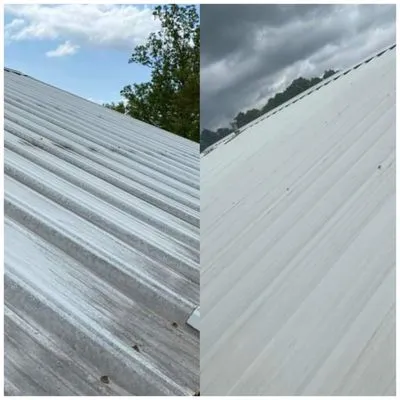
Copeland's Pristine Pressure Washing
Copeland's Pristine Pressure Washing serves Anniston, AL, with expert exterior cleaning and lawn care. We understand the common local lawn issues, like compacted soil and damage from tree roots, which...

A1 Tree Care & Landscaping is a trusted Anniston, AL provider offering comprehensive landscaping and tree services. We specialize in resolving common local issues like tree root damage to lawns and ov...

Real Deal Lawn Care is a local lawn service provider dedicated to serving residential and commercial clients across Calhoun County, Alabama. Based in Anniston, we offer comprehensive Lawn Maintenance ...
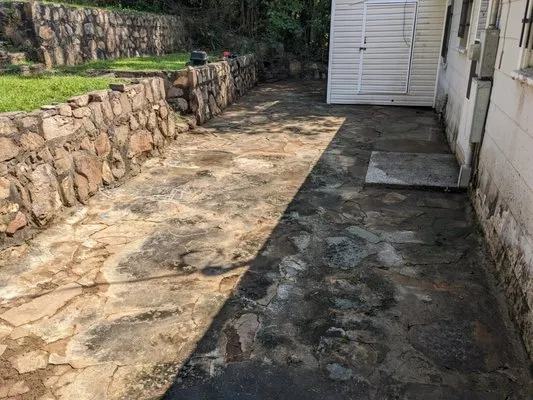
Hayes & Hayes Lawn Firm is a trusted, locally-owned provider of comprehensive lawn care and pressure washing services in Anniston, Alabama. We understand the unique challenges Anniston homeowners face...
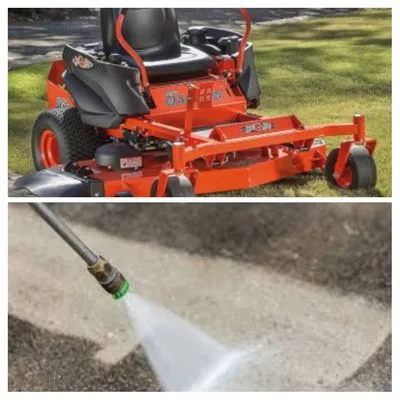
Simple Calhoun Lawn Care is a trusted Anniston, AL lawn service and pressure washing provider dedicated to keeping local properties looking their best. We specialize in comprehensive lawn care, includ...
AF Lawn Service is a trusted Anniston company dedicated to comprehensive property care, both indoors and out. We specialize in keeping your yard in top shape with professional lawn maintenance, tree p...

Jeff's Lawn Service
Jeff's Lawn Service is a locally owned and operated family business in Anniston, AL, dedicated to serving the community with reliable lawn and tree care. We offer a comprehensive range of services tai...
Neil Setser, the owner of Setser Lawn Service in Anniston, AL, brings over two decades of experience to tree and lawn care. Licensed and insured, he offers comprehensive services including tree toppin...
Questions and Answers
Why does my Tyler Hill yard have such poor drainage and compacted soil?
Anniston's Tyler Hill neighborhood was primarily developed around 1970, giving soils approximately 56 years to mature. This acidic clay loam ultisol naturally develops poor permeability over decades without intervention. Core aeration with organic amendments like composted pine bark addresses the pH 5.5-6.2 range while improving soil structure. Regular soil testing every 2-3 years monitors nutrient availability in this established landscape.
Which hardscape materials last longest in Anniston's climate and fire conditions?
Local sandstone and concrete pavers outperform wood significantly in longevity, with 25-40 year lifespans versus wood's 10-15 years. These non-combustible materials contribute to defensible space requirements in Moderate WUI Zone 2 fire-wise ratings. Proper installation with polymeric sand joints prevents weed growth while allowing for thermal expansion. Stone's natural thermal mass also moderates microclimate temperatures around structures.
What permits and licenses are needed for grading my 0.25-acre Tyler Hill property?
Grading projects exceeding 50 cubic yards of earth movement require permits from Anniston Planning & Development Services. Contractors must hold appropriate licensing through the Alabama Home Builders Licensure Board, particularly for work affecting drainage patterns or structural foundations. Erosion control measures meeting state BMP guidelines must be implemented before approval. Professional landscape architects often streamline this process through pre-consultation with permit offices.
How do I keep my lawn green during Anniston's dry periods without violating water restrictions?
Wi-Fi ET-based weather sensing irrigation calculates evapotranspiration rates specific to your Tyler Hill microclimate. This technology adjusts watering schedules daily, applying precisely what TifTuf Bermuda or Tall Fescue requires without exceeding municipal limits. During Stage 0 restrictions, these systems typically reduce water use 30-40% compared to traditional timers while maintaining turf health through targeted deep watering cycles.
What are alternatives to high-maintenance turf that fit Anniston's climate?
Transitioning to native plantings like Eastern Redbud, Oakleaf Hydrangea, Purple Coneflower, and Switchgrass reduces water needs by 60-80% compared to traditional turf. These species support local pollinators while requiring minimal chemical inputs. Electric maintenance equipment for these landscapes operates quietly within noise ordinance parameters. This approach aligns with emerging 2026 biodiversity standards for urban landscapes.
How do I control invasive species without harming my landscape or violating regulations?
Japanese stiltgrass and Chinese privet present significant risks in Anniston's Zone 8a. Mechanical removal before seed set, followed by targeted glyphosate applications during active growth phases, manages infestations effectively. Always conduct soil testing first, as Alabama BMP guidelines prohibit phosphorus applications without demonstrated deficiency. Time treatments to avoid blackout dates specified in local fertilizer ordinances for optimal results.
What solutions work for Anniston's heavy runoff and clay soil drainage problems?
Clay-based compaction in ultisol soils creates high runoff that requires engineered solutions. Permeable local sandstone or concrete pavers increase infiltration rates while meeting Anniston Planning & Development Services runoff standards. French drains with clean gravel and geotextile fabric, combined with strategic grading, redirect water away from foundations. Soil amendments like expanded shale improve permeability in planting beds.
How quickly can you respond to storm damage for HOA compliance?
Emergency cleanup crews dispatch from the Anniston Museum of Natural History area, taking I-20 to reach Tyler Hill properties within 20-30 minutes during peak response windows. We prioritize safety assessments before debris removal, coordinating with local utilities when necessary. Our electric equipment fleet operates within standard noise ordinance quiet hours (10 PM-7 AM) while maintaining compliance timelines.
