Top Landscaping Services in Fishhook, AK, 99645 | Compare & Call
There are 207 landscaping companies server in Fishhook AK

Yard Chief Yard Care
Yard Chief Yard Care is a locally owned and operated Anchorage business specializing in comprehensive lawn care, fence installation, and masonry/concrete work. We understand the unique challenges of m...
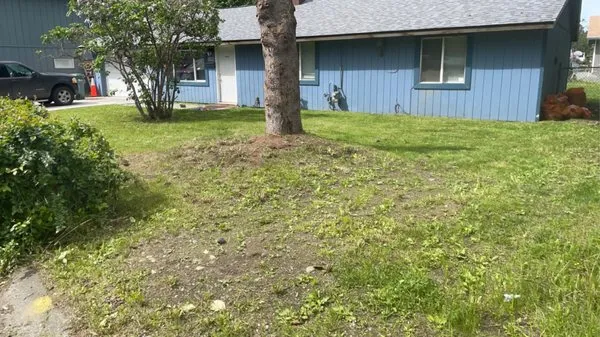
Pure Pressure in Anchorage, AK, is a local service provider specializing in lawn care, roofing, and pressure washing. In Anchorage's challenging climate, many homeowners face landscaping issues like f...
Landins Lawns is a trusted Anchorage lawn care company specializing in solutions for the unique challenges of the Alaskan landscape. We understand that local homeowners frequently deal with issues lik...

Andrew's Lawn and Snow is a trusted, locally-focused provider of year-round outdoor care for Anchorage homeowners. We understand the unique demands of the Alaskan climate and are committed to keeping ...

Q's Service provides essential lawn care and snow removal solutions for Anchorage homeowners. The region's unique climate often leads to soil compaction and poor lawn drainage, which can damage turf h...
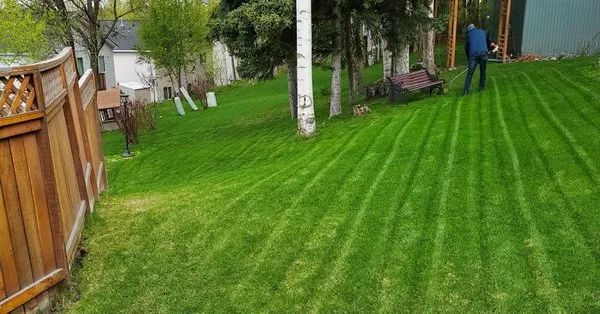
Green Helper AK is a family-owned landscaping and home services company serving Anchorage, AK, with over 12 years of local experience. We specialize in comprehensive lawn care including mowing, fertil...
Alaska Yard & Property Services
Alaska Yard & Property Services is a licensed, bonded, and insured Anchorage-based company providing comprehensive property maintenance solutions. We specialize in lawn care, junk removal, and pet was...
Great Ape Services is your Anchorage-based expert for year-round property care, tackling the unique challenges of the Last Frontier. We understand that local landscaping issues like poor drainage and ...
Greenlawn Services is a trusted Anchorage landscaping company dedicated to enhancing and protecting local outdoor spaces. We specialize in gardening and landscape maintenance, with deep expertise in a...
Chugach Yard Care is a local Anchorage landscaping company dedicated to helping homeowners tackle the unique challenges of Alaska's climate. We specialize in addressing common issues like frozen irrig...
Estimated Landscaping Service Costs in Fishhook, AK
FAQs
We want to regrade a sloping section of our 1.5-acre lot. Do we need a permit, and what kind of contractor should we hire?
Yes, significant grading on a 1.5-acre parcel in Fishhook almost always requires a permit from the Matanuska-Susitna Borough Planning & Land Use office. The scale of earthwork can impact drainage patterns and sediment control, triggering review. You must hire a contractor licensed through the Alaska Department of Commerce, Community, and Economic Development for this work. General landscaping licenses may not suffice; look for specific classifications in excavation or earthwork to ensure the contractor carries the proper bonding and insurance for the job's scope and liability.
Every spring, our yard turns into a soggy mess and our walkways seem to shift. What's causing this and how do we fix it?
This is a classic symptom of high permafrost and seasonal frost heave acting on Fishhook's silt loam soil. When saturated, this soil type has poor percolation, leading to surface pooling. The freeze-thaw cycle then causes physical movement. Solutions involve improving subsurface drainage with graded swales and using permeable hardscape materials like crushed granite or permeable concrete for paths. These materials allow water to infiltrate, reducing surface runoff and meeting Matanuska-Susitna Borough Planning standards for stormwater management.
Our lawn in the Fishhook Residential Corridor looks thin and struggles, even though the previous owners said they cared for it. What's likely going on with the soil?
Given the average home construction date of 2003, your landscape soil is approximately 23 years old. In Fishhook's acidic silt loam, this timeframe typically results in a compacted, nutrient-depleted layer just below the surface from repeated traffic and minimal amendment history. The soil's natural acidity (pH 5.5-6.2) can further lock up essential nutrients. Core aeration combined with incorporating composted organic matter is critical to rebuild soil structure, improve permeability, and correct nutrient availability for healthy root development.
We're building a new patio and are deciding between wood decking and stone. What holds up best in our climate and is safer with wildfire risk?
For longevity and fire resistance in Zone 3b, crushed granite or permeable concrete patios are superior to wood. These inorganic materials are impervious to rot, insect damage, and the significant expansion/contraction caused by frost heave. Regarding the Moderate (WUI Zone 2) Fire Wise rating, non-combustible hardscapes contribute directly to creating defensible space. They do not ignite or contribute embers, a critical factor for reducing structure ignition risk in the wildland-urban interface.
We have abundant water from glacial melt, so why should we bother with a fancy drip irrigation system?
While seasonal water is abundant, municipal infrastructure and treatment have limits. Drip irrigation with freeze-protected blowout valves delivers water directly to the root zone of plants like Creeping Red Fescue, minimizing evaporation and runoff. This ET-based method uses 30-50% less water than traditional sprinklers, conserving the resource and reducing your utility cost. The automated freeze-protection is essential for system longevity, preventing pipe damage from our severe frost heave cycles.
We're tired of the constant mowing and noise. Is there a quieter, lower-maintenance alternative to a traditional grass lawn?
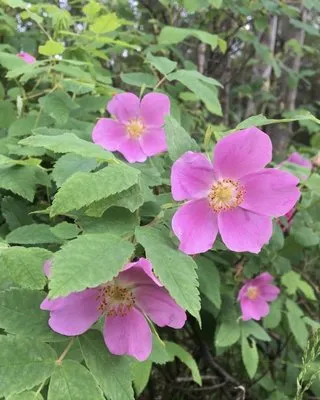
Yes, transitioning to a native plant matrix is the most effective long-term strategy. Incorporating species like Fireweed, Wild Rose, Dwarf Dogwood, Bog Blueberry, and Labrador Tea creates a resilient, self-sustaining landscape that requires no mowing and minimal watering once established. This approach significantly reduces the need for gas-powered blowers and mowers, aligning with evolving noise ordinances and electric fleet trends. It also enhances local biodiversity and provides superior habitat value compared to monoculture turf.
We've spotted what looks like an invasive plant spreading near our property line. How should we handle it without harming the local environment?
First, identify the species through the Alaska Department of Natural Resources invasive species list. Manual removal is often the safest initial control. For chemical treatment, you must select a state-approved herbicide and apply it strictly according to the label, avoiding any application near salmon-bearing waterways or during rainfall to prevent runoff. Compliance with state nitrogen management mandates near watersheds is non-negotiable; this often prohibits certain fertilizer-herbicide combinations and mandates specific application blackout dates to protect aquatic ecosystems.
A major storm just blew through and we have downed branches blocking our driveway. How quickly can a crew get here for an emergency cleanup?
For emergency storm response, our dispatch from Fishhook Community Park via the Parks Highway (AK-3) allows for an estimated arrival window of 45 to 60 minutes during peak conditions. This route provides the most reliable access to the Fishhook Residential Corridor. Crews are equipped for immediate hazard mitigation, including chainsaw work and debris removal, with operations conducted within standard borough quiet hours to ensure compliance.
