Service Capabilities
- Lawn care
Local Business Overview
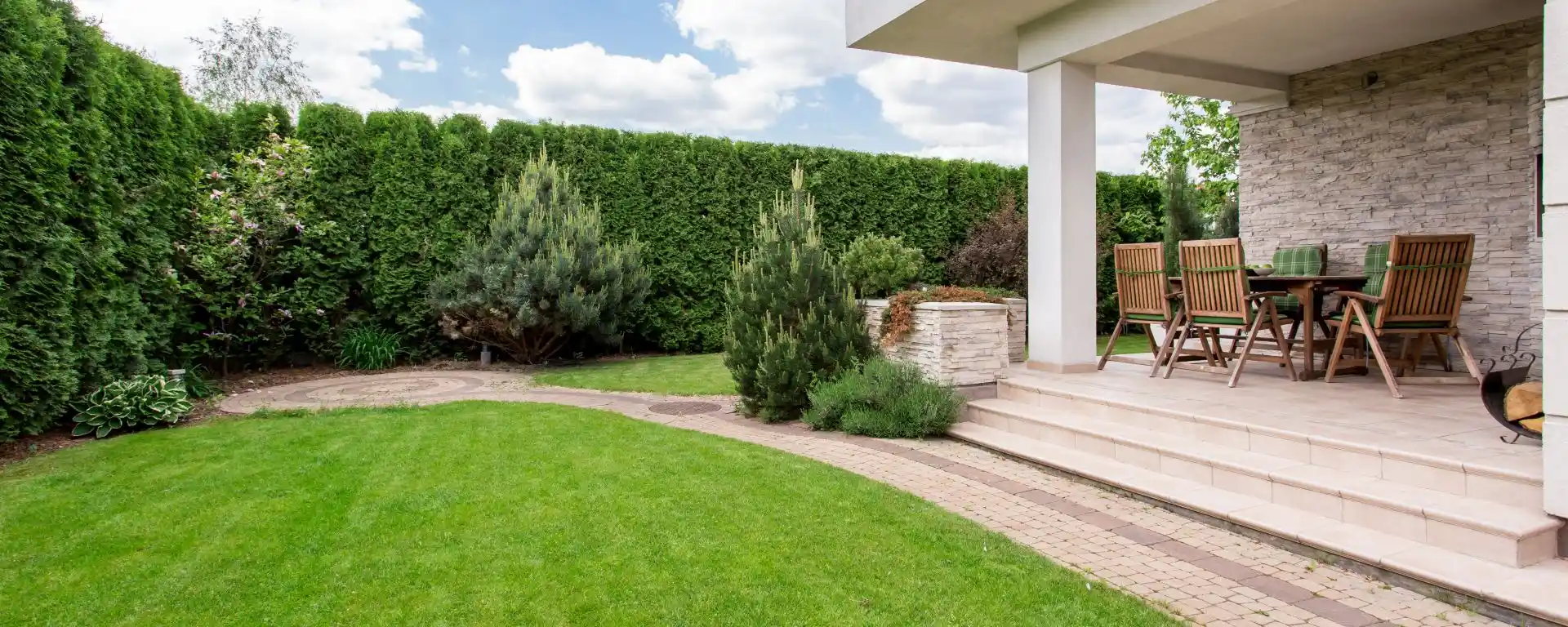
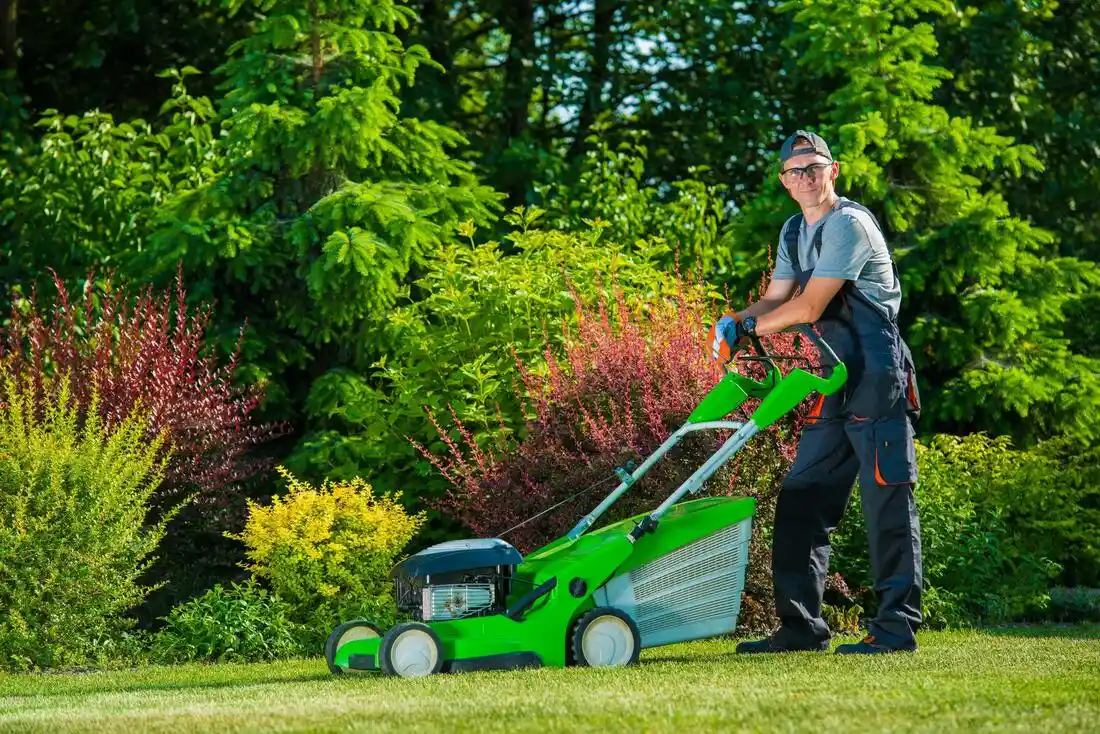
Woods Lawn Care is a dedicated local lawn service provider serving homeowners throughout Rapid City, South Dakota. We specialize in comprehensive lawn care designed to address the specific challenges of our region, including the cleanup of storm debris from unpredictable weather and repairing unsightly lawn damage caused by encroaching tree roots. Our team understands the local environment and provides reliable, timely services to restore and maintain the health and beauty of your property. We help Rapid City residents achieve a pristine, resilient yard that can better withstand the area's seasonal conditions, from summer storms to the demands of a dry climate.
Questions and Answers
How can your lawn care services help after a storm in Rapid City?
After a storm, debris like branches, leaves, and other wind-blown materials can smother your grass and create hazards. Our lawn care service includes thorough cleanup and aeration to help your lawn recover. We remove debris to prevent disease and allow sunlight and water to reach the soil, promoting healthy regrowth and preventing long-term damage common after Rapid City's severe weather.
My lawn has patches and damage from tree roots. Can you help?
Absolutely. Tree roots near the surface are a common issue in Rapid City and can create uneven, patchy lawns. Our lawn care approach includes leveling affected areas, overseeding with hardy grass varieties suited to our local soil, and implementing a tailored fertilization plan. This helps repair the damage and encourages a thick, healthy turf that can better coexist with your trees.
What makes your lawn care approach specific to Rapid City homeowners?
We tailor our services to the Black Hills region's unique conditions. This means using grass seed blends that thrive in our local climate, scheduling services around typical storm seasons for preventative care, and understanding soil types common in the area. Our goal is to build a lawn that is not only beautiful but also more resilient to local challenges like dry spells, heavy rain, and temperature fluctuations.
Similar Landscaping Companies in Rapid City, SD
C. E. Landscapes
2989 Preston St, Rapid City, SD

Kilted Lawn & Services
2126 W Flormann St, Rapid City, SD

Warne Green Force
2610 Commerce Rd, Rapid City, SD
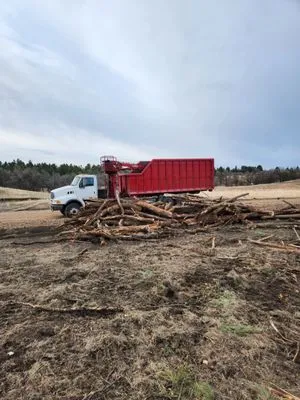
Bradeen Skid Steer Services
Rapid City, SD
