
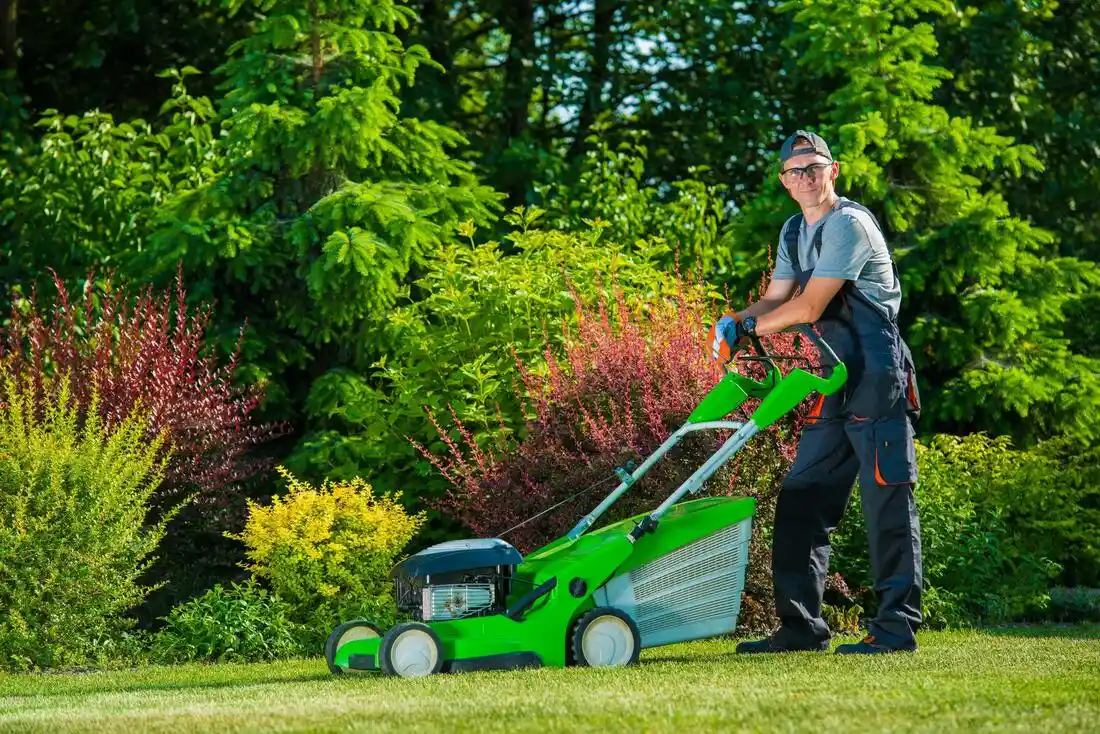
Meet the Team
Upper Crust Landscaping is a trusted local landscaping company serving Gypsum, CO, and the surrounding Eagle County area. We specialize in creating and maintaining resilient, beautiful outdoor spaces that thrive in our high-desert climate. Recognizing that lawn drought stress and dying landscape plants are common challenges for Gypsum homeowners, we focus on sustainable solutions tailored to local conditions. Our team employs water-wise irrigation strategies, selects drought-tolerant native and adapted plants, and implements soil health practices to build landscapes that conserve water while staying vibrant. We help residents transform their yards into low-maintenance, eco-friendly oases that withstand our dry spells and temperature extremes, enhancing both property value and outdoor enjoyment.
Question Answers
What are the best drought-resistant plants for landscaping in Gypsum, CO?
For Gypsum's arid climate, we recommend native and adapted plants like rabbitbrush, penstemon, blue grama grass, and yucca, which require minimal water once established. We also use hardy perennials such as lavender and sedum that thrive in our well-drained soils. Our team selects species based on your specific site conditions to ensure long-term survival and beauty, reducing the risk of plant loss during dry periods.
How can I prevent lawn drought stress in my Gypsum yard?
Preventing lawn drought stress starts with proper irrigation and soil care. We recommend deep, infrequent watering to encourage strong root growth, ideally in the early morning to reduce evaporation. Aerating your lawn and adding organic matter can improve soil moisture retention. For many Gypsum homes, we also suggest transitioning to drought-tolerant turf alternatives or reducing lawn areas with xeriscaping to save water and maintain a green landscape year-round.
What landscaping practices help protect plants from dying in Gypsum's climate?
To protect plants in Gypsum, we focus on soil preparation, mulching, and strategic planting. Amending soil with compost improves water-holding capacity, while a layer of mulch reduces evaporation and regulates soil temperature. We also group plants with similar water needs and use windbreaks to shield sensitive species from drying winds. Regular monitoring and adjusting care with seasonal changes—like reducing watering in fall—can prevent stress and keep your landscape healthy.
Key Services
- Lawn care
- Tree care services
Similar Landscaping Companies in Gypsum, CO
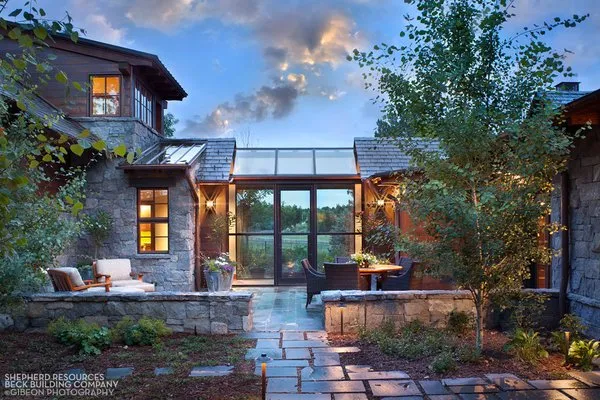
Rocky Mountain Custom Landscapes
351 Airpark Dr, Gypsum, CO
G H Daniels III & Assoc
140 Gh Dainiels Blvd, Gypsum, CO
MIC Landscaping
Gypsum, CO

Mountain Valley Ventures
Gypsum, CO
