Company Background
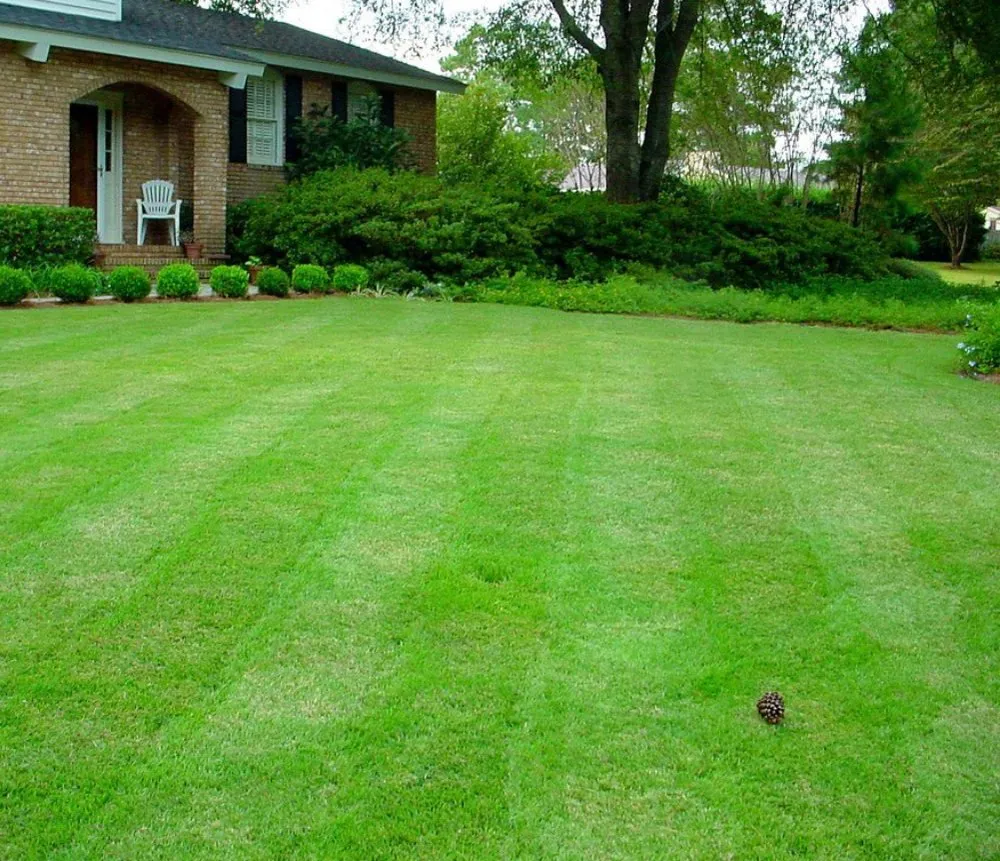
Taylor Lawn Service is a trusted Lansing, MI-based lawn care provider specializing in comprehensive lawn maintenance and problem-solving for local homeowners. We understand that many Lansing properties face common landscaping challenges like dying shrubs and lawn damage from tree roots, which can detract from your home's curb appeal and health. Our expert team addresses these specific local issues through targeted lawn care services, including proper fertilization, aeration, and root management techniques tailored to Michigan's climate. By focusing on the unique needs of Lansing yards, we help restore and maintain vibrant, healthy lawns that withstand local environmental pressures. With years of experience serving the Greater Lansing area, we're committed to providing reliable, effective solutions that keep your outdoor space looking its best year-round.
Key Services
- Lawn care
Q&A
How can Taylor Lawn Service help with dying shrubs in my Lansing yard?
Our lawn care services include shrub health assessments and targeted treatments for common issues in Lansing, such as nutrient deficiencies, pest infestations, or improper watering. We'll evaluate your shrubs, recommend appropriate care, and implement solutions to revive and protect them, ensuring your landscape stays healthy and attractive.
What solutions do you offer for lawn damage caused by tree roots in Michigan?
We address tree root lawn damage through specialized techniques like aeration to improve soil compaction, overseeding to fill in bare spots, and root barrier recommendations where appropriate. Our approach helps mitigate root interference while promoting a thick, resilient lawn that can thrive alongside your trees in Lansing's climate.
Can your lawn care services prevent recurring landscaping problems in my Lansing home?
Yes, our proactive lawn care plans are designed to prevent common local issues. We focus on soil health, proper mowing, and seasonal maintenance tailored to Lansing's conditions, which helps strengthen your lawn against stressors like root competition and shrub decline, reducing the likelihood of future problems.
Similar Landscaping Companies in Lansing, MI
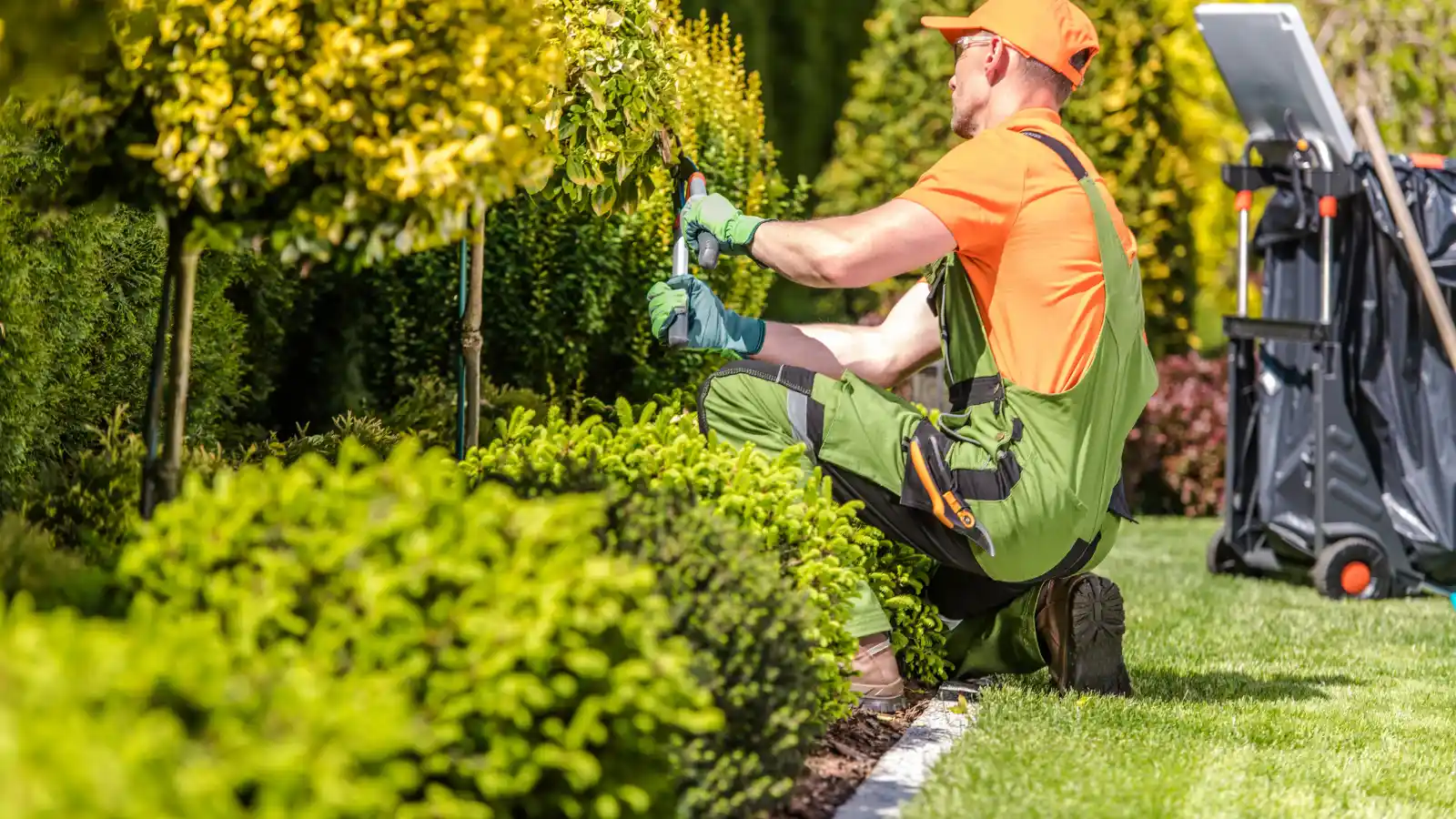
Courteous Lawns Plus
Lansing, MI
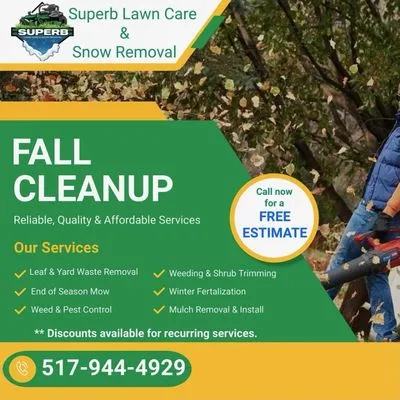
Superb Lawn Care & Snow Removal
Lansing, MI
Mr and Mrs Wright Lawn Care Service and Handyman
Lansing, MI
Alcantar Brothers Lawn Services
1526 Vermont Ave, Lansing, MI
