Service Capabilities
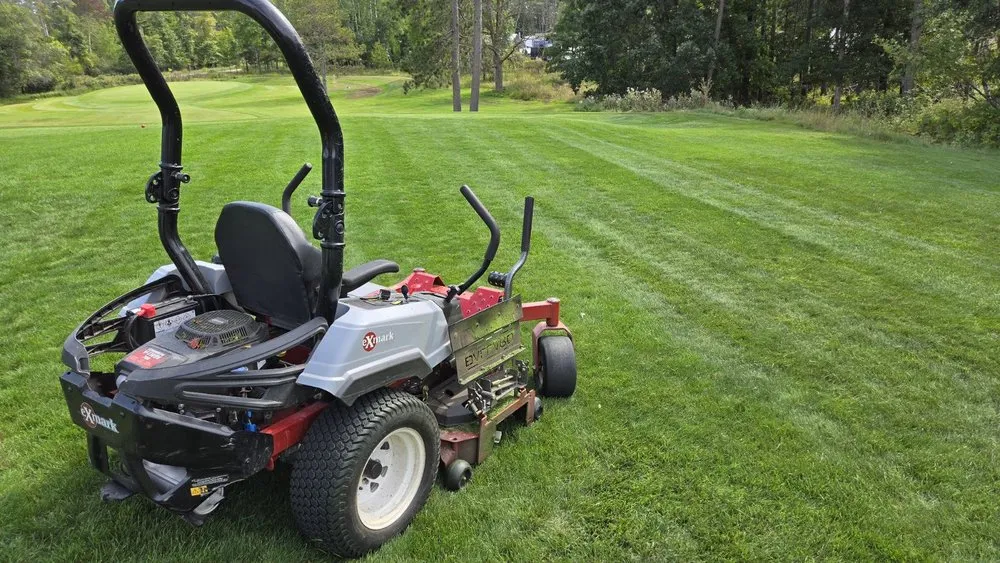
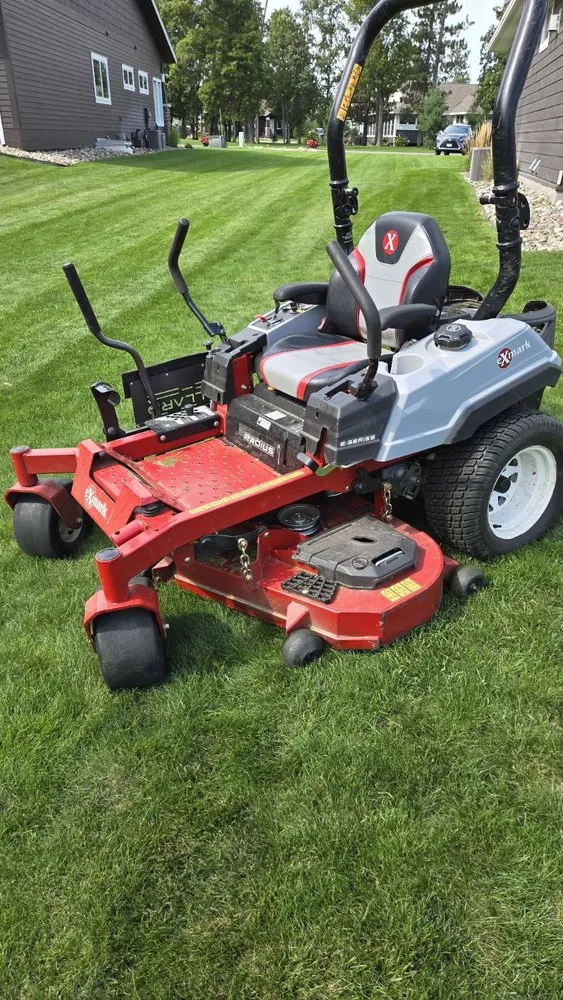
- Lawn care
Our Story
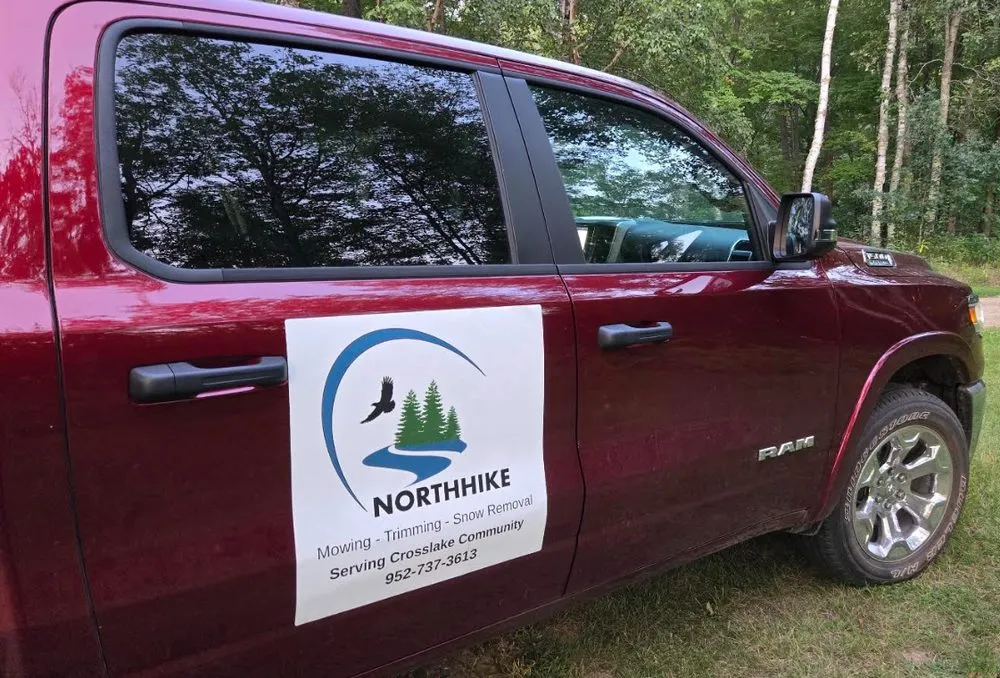
Northhike LLC is a family-owned and operated lawn care, snow removal, and tree service business serving Lakeville, MN, and surrounding communities. Founded in 2024 by Derick White, the company brings over two decades of professional leadership experience from both large corporations and small businesses to provide affordable, reliable outdoor maintenance. Derick, an avid outdoorsman who moved from Lakeville to Crosslake in 2020, recognized the need for cost-effective yet professional lawn care and expanded services to include spring and fall cleanup, tree trimming, light landscaping, mulching, and odd jobs. With a focus on treating every property with care and respect, Northhike combines timeliness, honesty, and a customer-centered approach to help residential and commercial clients maintain beautiful, functional outdoor spaces year-round.
Frequently Asked Questions
What lawn care services do you offer for my Lakeville home?
We provide comprehensive lawn care including mowing, trimming, and edging, along with seasonal services like spring and fall cleanup to keep your yard healthy. For Lakeville residents dealing with common issues like standing water or frost damage, we offer solutions such as aeration to improve drainage and overseeding to repair damaged grass, ensuring your lawn thrives in our local climate.
How does Northhike handle snow removal in Lakeville's winters?
We offer reliable snow removal services for driveways, walkways, and commercial properties in Lakeville, using efficient equipment to clear snow promptly and safely. Our team monitors weather conditions to provide timely service, helping prevent ice buildup and ensuring accessible, secure surfaces during Minnesota's cold months.
Can you help with tree services and landscaping in Lakeville?
Yes, we provide tree trimming and removal to maintain safety and aesthetics, along with light landscaping and mulching to enhance your property's appearance. For Lakeville homes, we address local landscaping challenges like poor drainage or frost-affected areas by assessing soil conditions and recommending practical improvements, such as grading or planting resilient species.
Similar Landscaping Companies in Lakeville, MN
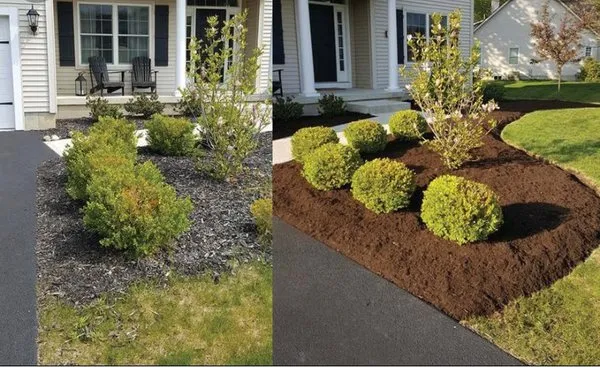
Gillette Landscaping and Lawncare
Lakeville, MN
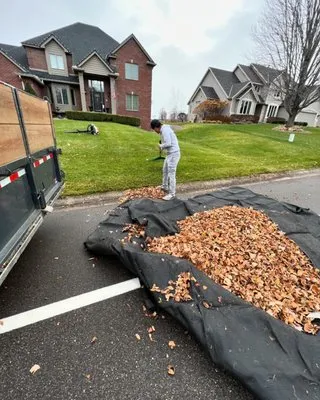
Brothers Landscaping
Lakeville, MN
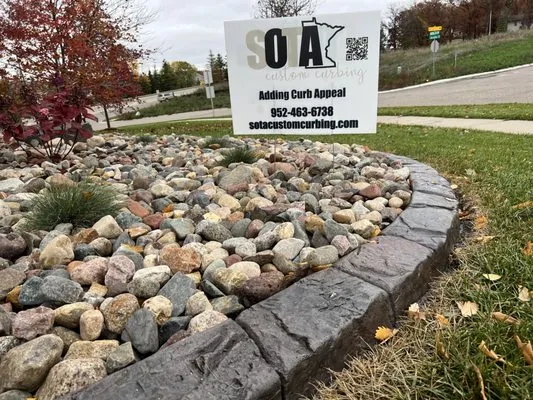
Sota Enterprises
Lakeville, MN
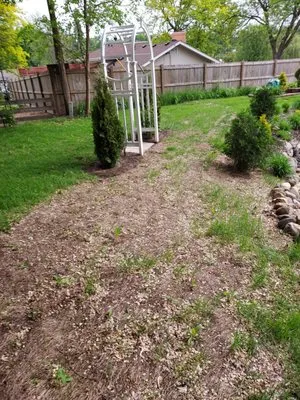
Brice's Landscaping
Lakeville, MN
