Business Profile
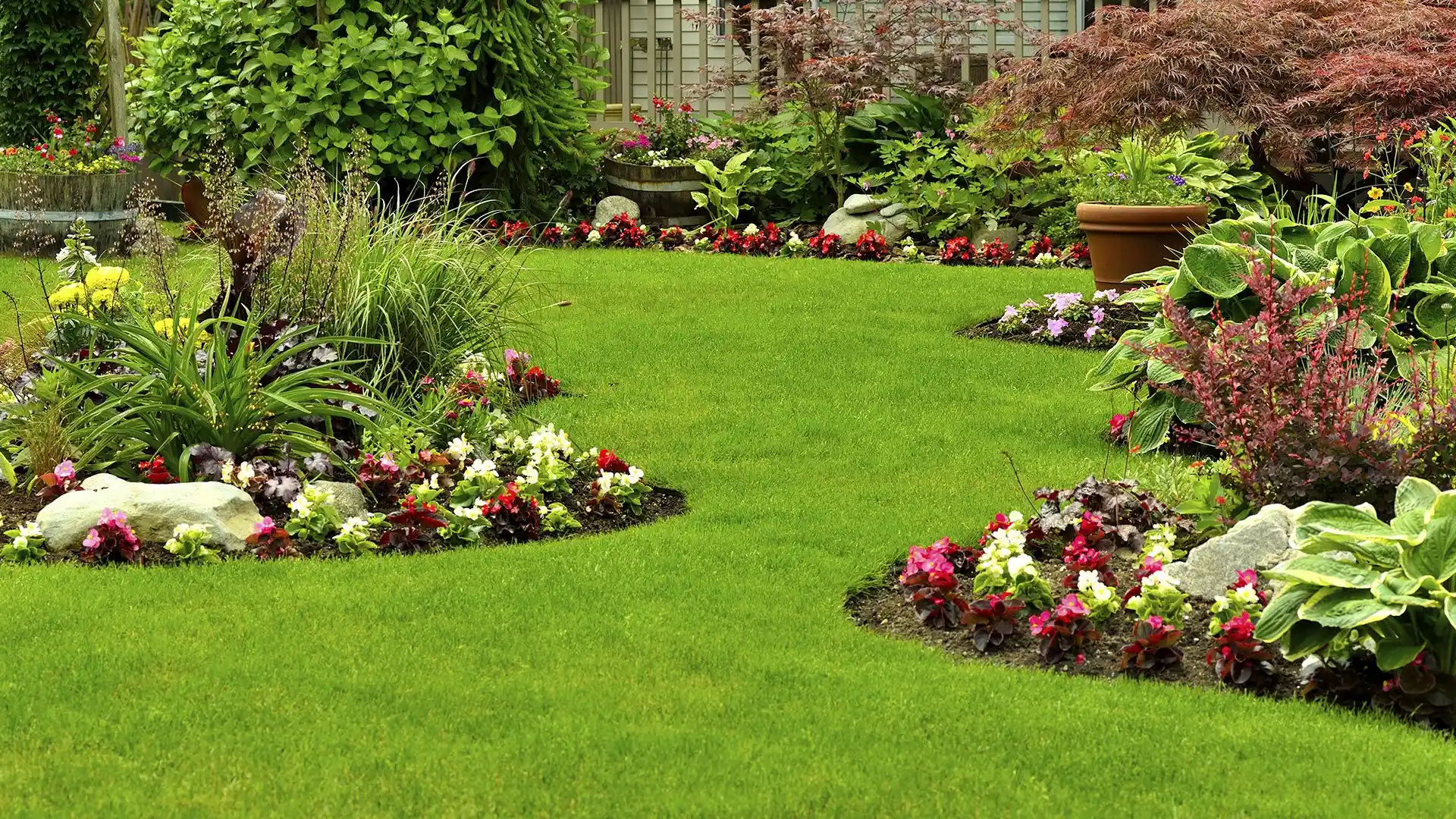
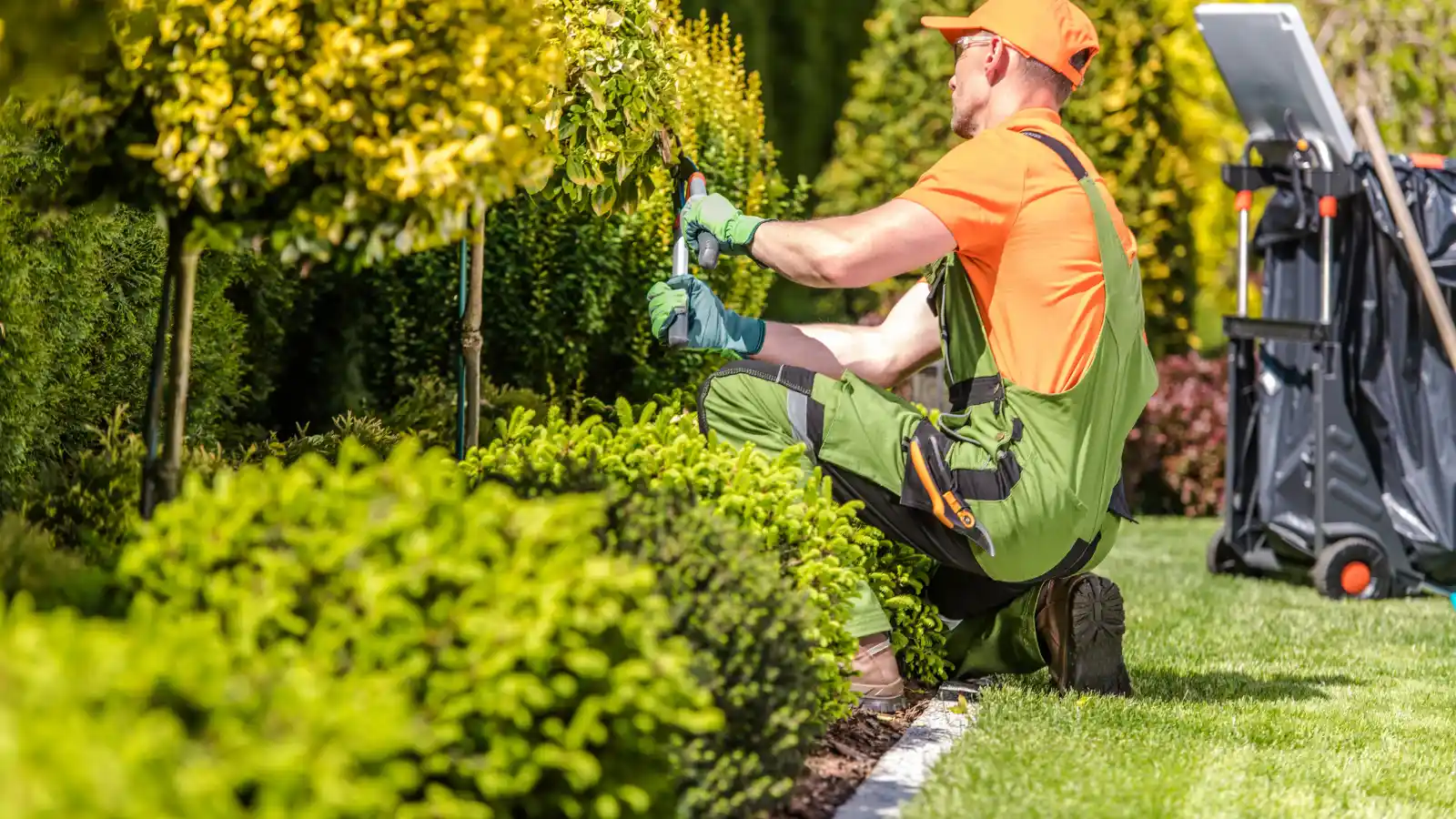
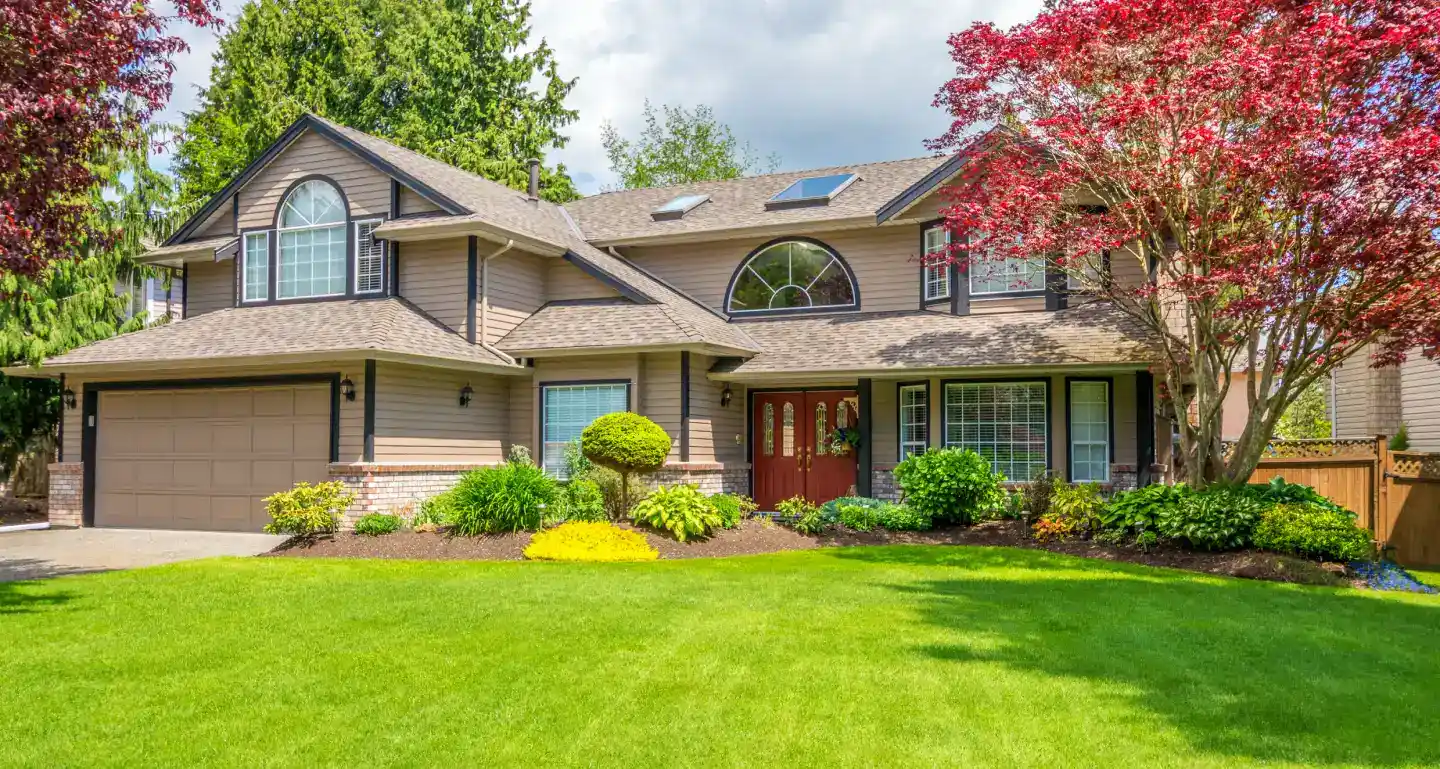
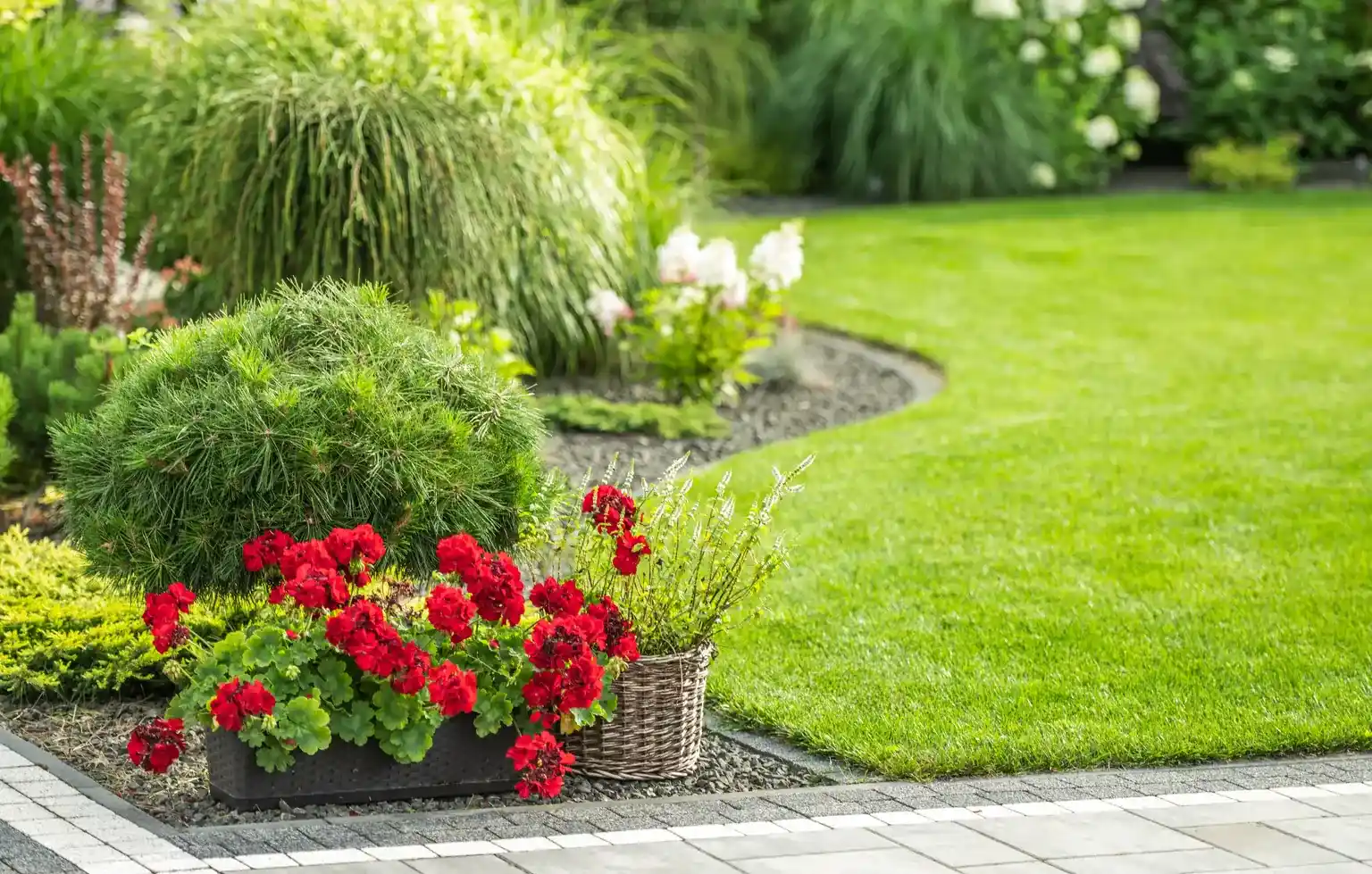
Mark's Lawn Care is your Sanford, NC neighbor dedicated to solving the most common local lawn issues. We specialize in addressing bare patches and damage caused by tree roots, problems many homeowners in our area face. Our approach is tailored to Central North Carolina's specific soil and climate conditions. We don't just seed over problems; we diagnose the underlying cause—whether it's soil compaction, poor drainage, or root competition—and implement lasting solutions. From targeted aeration and soil amendment to expert seeding and sodding, we restore the health and beauty of your lawn, giving you a lush, resilient green space to enjoy.
Services Offered
- Lawn care
- Tree care services
Q&A
What's the best way to fix bare patches in my Sanford lawn?
The best method depends on the cause. For many Sanford yards, bare patches stem from compacted clay soil or nutrient depletion. We start by aerating to relieve compaction, then amend the soil with organic material suited to our local conditions. Finally, we use a high-quality, sun-tolerant grass blend for seeding or patching with sod for immediate results. This addresses the root cause, not just the symptom.
Can you repair lawn damage from tree roots without harming the tree?
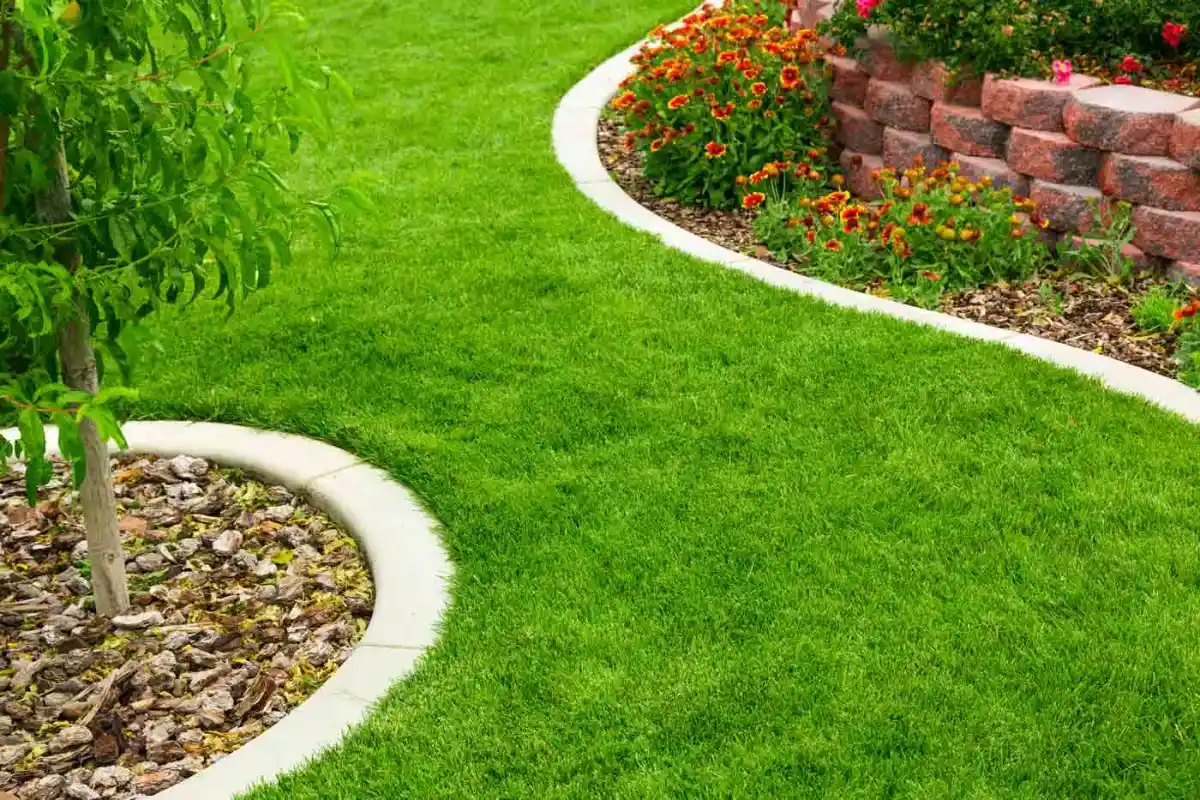
Absolutely. Protecting your trees is a priority. For surface roots causing lawn damage, we often recommend a gentle grade change or applying a thin layer of topsoil and shade-tolerant grass seed over the roots. In severe cases, creating a mulch bed around the tree's base is a beautiful, low-maintenance solution that benefits both the tree and your landscape's appearance.
When is the ideal time in Sanford for major lawn repairs like seeding?
For our climate, the prime windows are early fall (late September to October) and early spring (March). Fall is often best because the cooler temperatures and typically more consistent rainfall help new grass establish strong roots without the extreme heat stress of summer, leading to a thicker, healthier lawn by the following year.
Similar Landscaping Companies in Sanford, NC
Apex Lawn Company
4534 NC 87 S, Sanford, NC
Nice & Neat Painting & Power Washing Service
Sanford, NC
Southern Lawncare & Landscaping
Sanford, NC
Younger's Lawn Care & Handyman Service
Sanford, NC
