




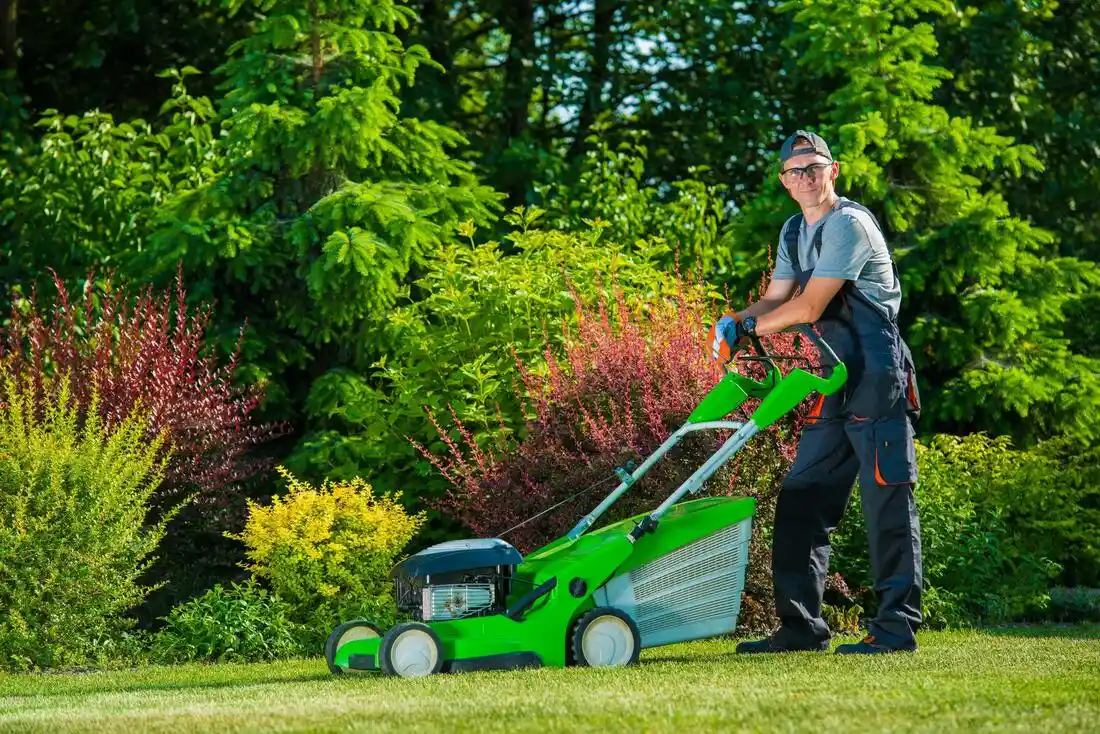
Reliable Landscaping Services in Santa Cruz, CA 95060 - Living Systems
427 Locust St, Santa Cruz, CA 95060
What the Company Handles
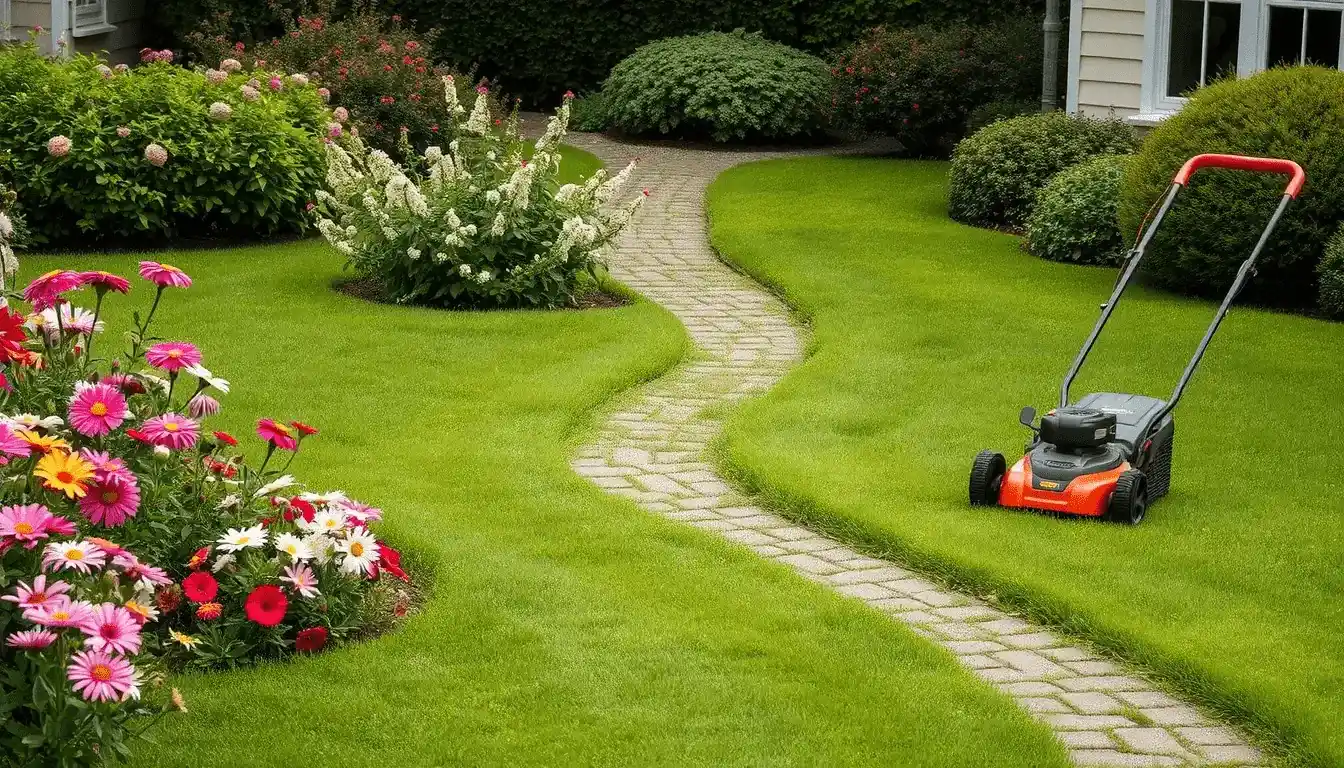
- Lawn care
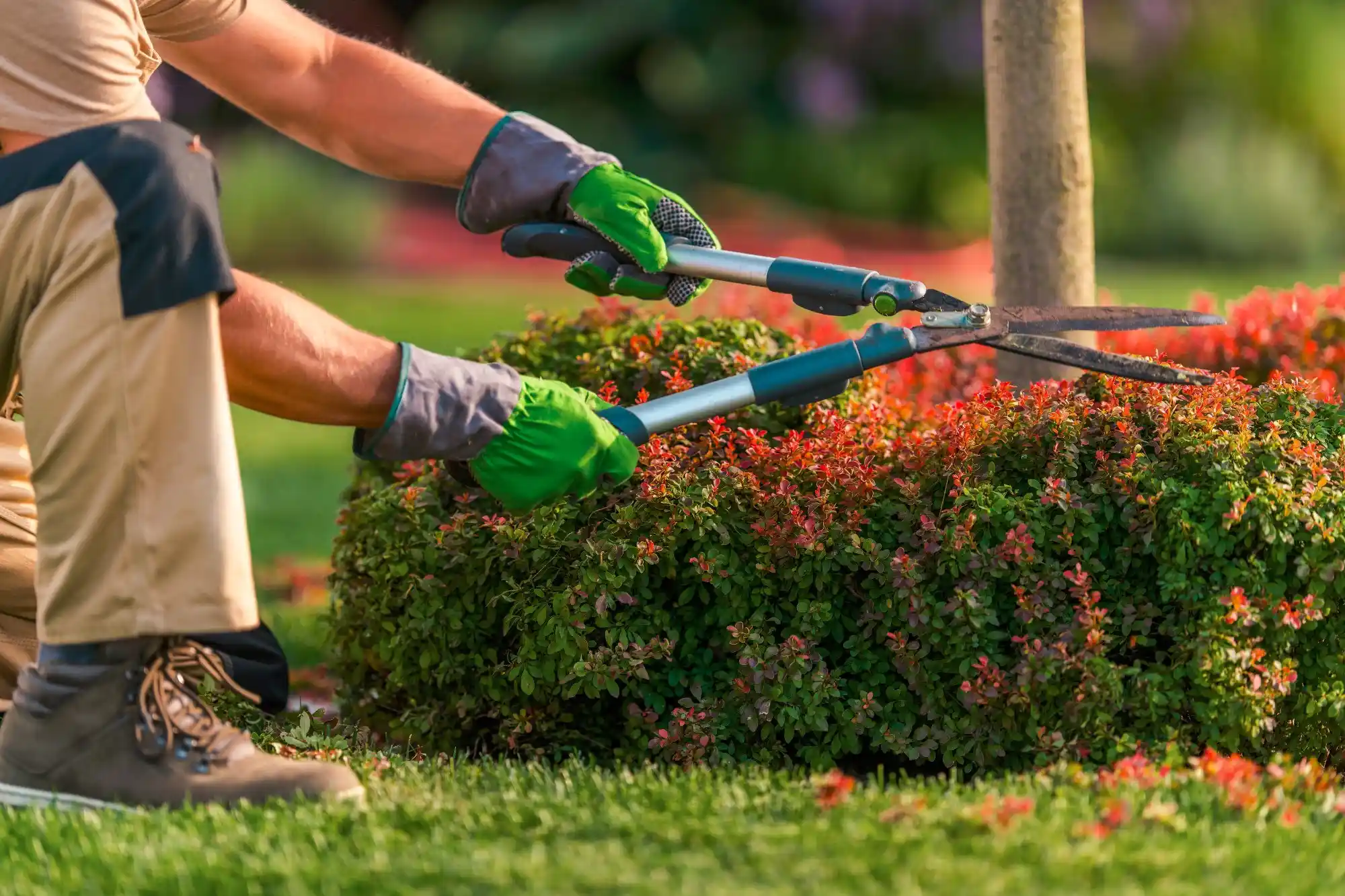
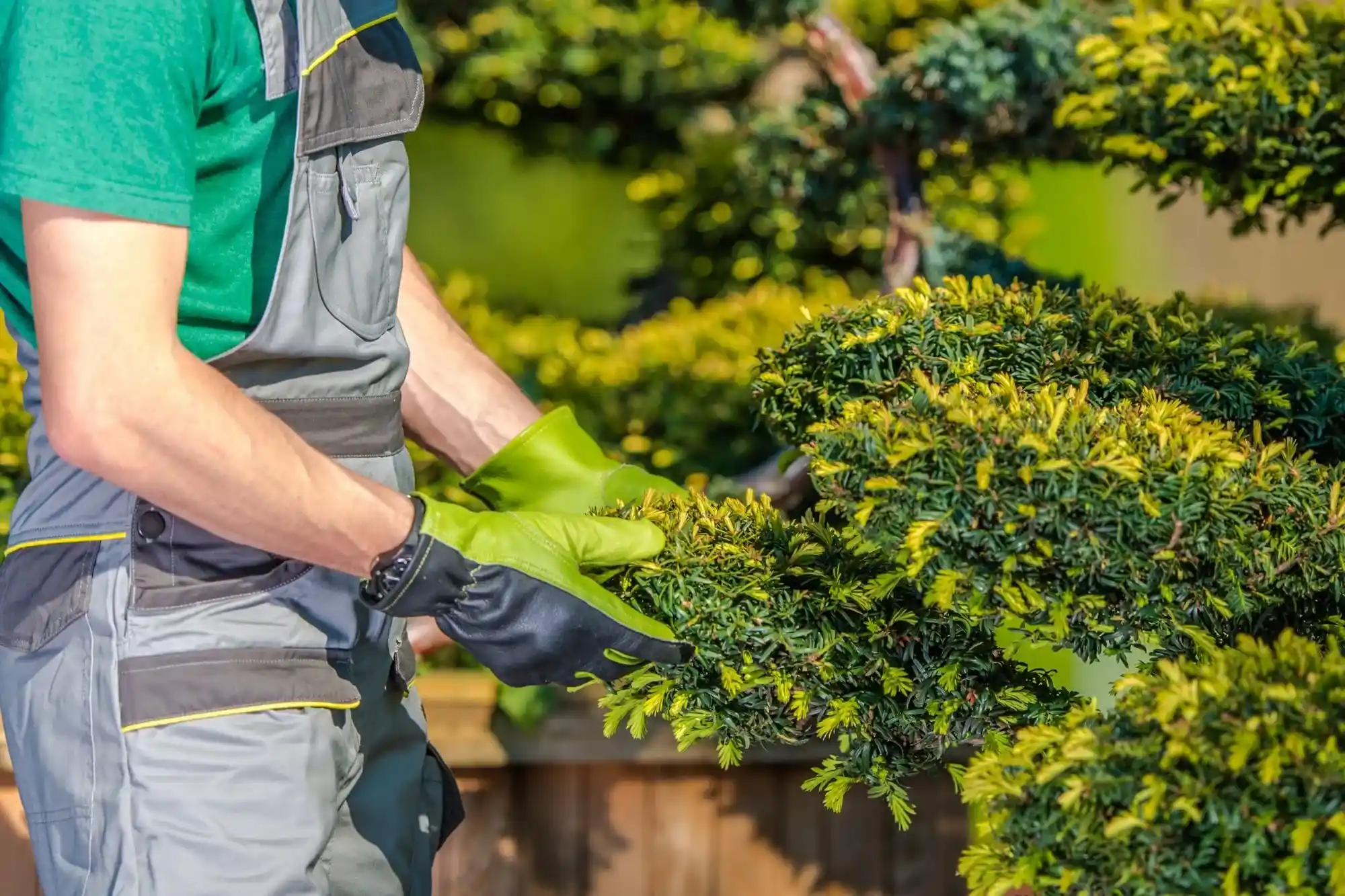
- Tree care services
Business Overview
Living Systems is a Santa Cruz-based land management service specializing in ecological restoration and fire mitigation through managed grazing. Using goats and sheep, they target invasive species like yellow star thistle and French broom while promoting native vegetation growth in sensitive ecological areas. Their methods improve soil health and reduce fire hazards in wildland-urban interface zones, serving municipal agencies, homeowners associations, and private landowners with sustainable practices tailored to the local environment.
Questions and Answers
How does Living Systems help with dead turf areas and slope erosion in Santa Cruz yards?
Living Systems addresses dead turf and slope erosion by using managed grazing with goats and sheep. Their animals naturally clear invasive plants that compete with native vegetation, allowing healthier ground cover to establish. This improves soil structure and reduces erosion on slopes, while their focus on ecological restoration helps create more resilient landscapes that better withstand local conditions like drought and heavy rains common in Santa Cruz.
What invasive plant species do your goats and sheep target in Santa Cruz County?
Our grazing animals specifically target problematic invasive species prevalent in Santa Cruz County, including yellow star thistle and French broom. These plants often outcompete native vegetation, degrade soil quality, and increase fire risk. By selectively grazing these invasives, we help restore balance to local ecosystems while promoting the growth of native plants that are better adapted to our regional climate and soil conditions.
How does managed grazing reduce fire hazards for Santa Cruz homeowners?
In Santa Cruz's wildland-urban interface zones, managed grazing creates natural firebreaks by reducing flammable vegetation buildup. Our goats and sheep efficiently clear dry grasses, brush, and invasive plants that can fuel wildfires, while their grazing patterns leave behind moisture-rich native plants that are less combustible. This approach not only lowers immediate fire risk but also promotes long-term ecological health through sustainable land management practices.
Similar Landscaping Companies in Santa Cruz, CA
Handlebar Landscapes
Santa Cruz, CA
Dave's Landscaping
325 Van Ness Ave, Santa Cruz, CA
Paradise Landscape
Santa Cruz, CA
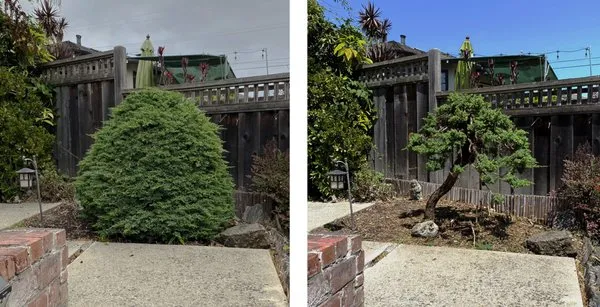
Canopy Care Holistic Pruning
Santa Cruz, CA
