Company Overview
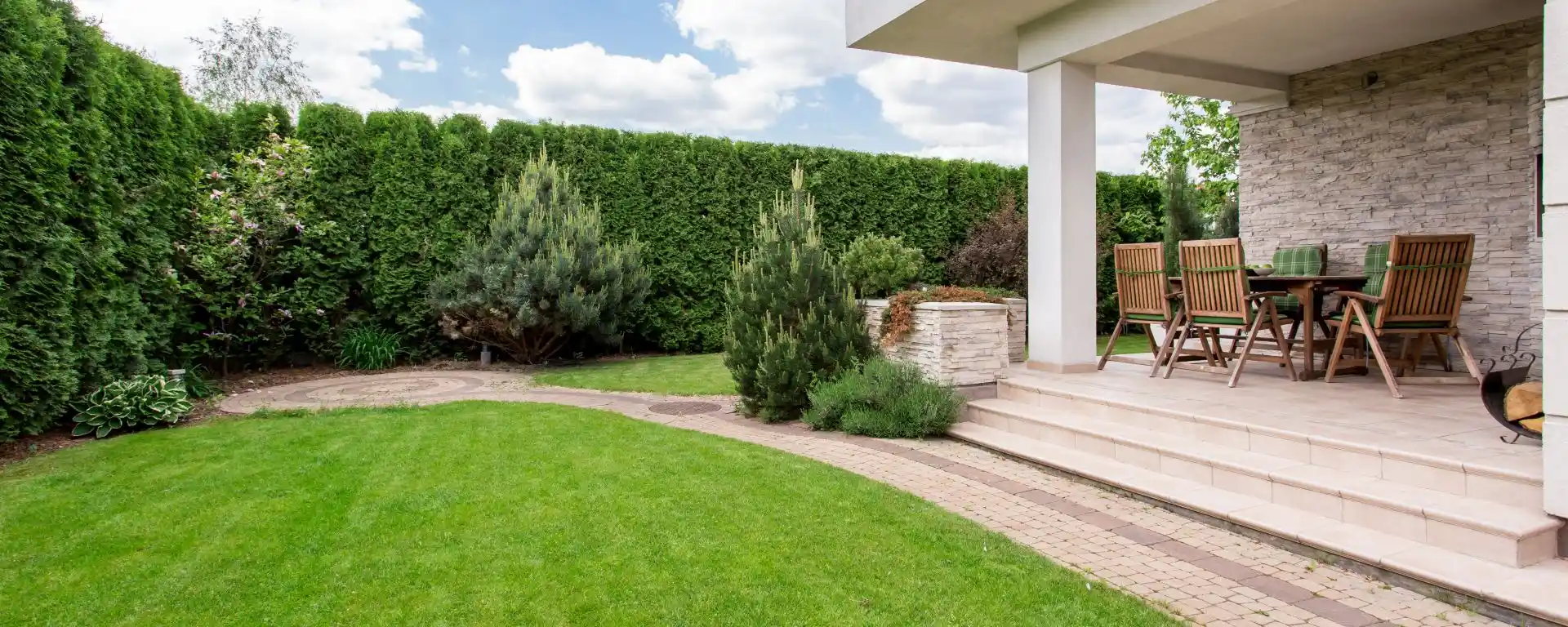
J K Landscaping serves La Crosse, WI, and the surrounding areas, providing expert solutions for the unique challenges of local properties. A common issue in our region is poor yard drainage and struggling shrubs, which can be caused by our area's specific soil composition and seasonal weather patterns. We specialize in diagnosing these problems, offering tailored drainage solutions like French drains and grading to prevent water from pooling and damaging your landscape. Our team can also assess and replace dying shrubs with hardy, native plants better suited to the La Crosse climate, ensuring a healthier, more resilient yard that enhances your home's curb appeal and value.
Key Services
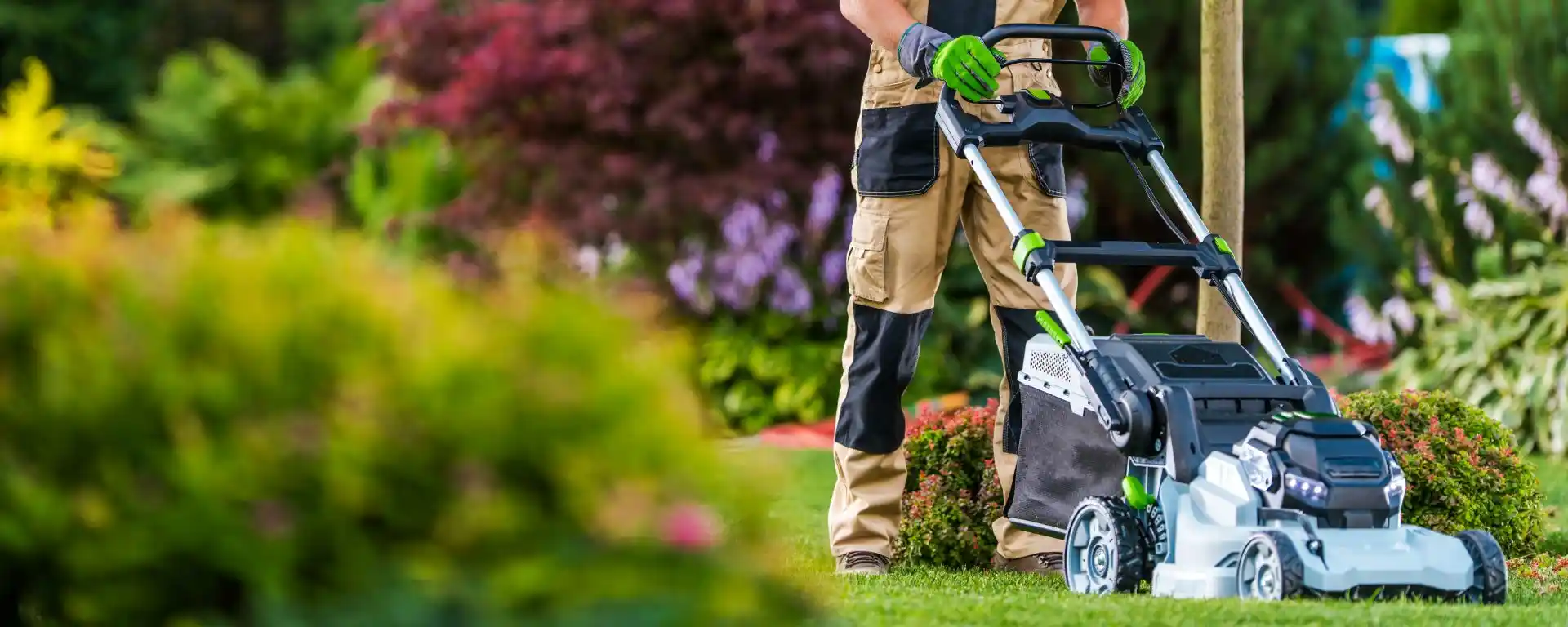
- Lawn care
- Tree care services
Question Answers
What's the most common cause of yard drainage problems in La Crosse, and how can you fix it?
In La Crosse, drainage issues often stem from our clay-heavy soil, which doesn't absorb water well, leading to pooling and runoff. We start with a thorough site evaluation to identify the problem areas. Common solutions we provide include installing French drain systems, regrading the landscape to direct water away from your home's foundation, and creating rain gardens with water-loving native plants. The goal is a long-term fix that protects your property and landscape investment.
My shrubs keep dying. Can J K Landscaping help me choose better plants for this area?
Absolutely. Many shrubs struggle here due to winter salt spray, wet soil conditions, or simply not being suited for our climate zone. We can assess your specific site conditions—like sun exposure and soil type—and recommend hardy, native, or adapted shrubs that will thrive in La Crosse. We often suggest plants like serviceberry, dogwood varieties, or potentilla that are more resilient to local challenges, ensuring a beautiful landscape that lasts.
Do you offer services to improve both drainage and plant health at the same time?
Yes, we frequently tackle these issues together, as they are often connected. For example, we might redesign a soggy planting bed by first correcting the drainage with a subsurface system or amended soil, then replanting with species that tolerate occasional moisture but won't drown. This integrated approach solves the immediate problem and creates a sustainable landscape that requires less maintenance and is more resistant to future issues common in our area.
Similar Landscaping Companies in La Crosse, WI
Aspire Lawn and Landscape
La Crosse, WI
Scholarly Services
La Crosse, WI
G's Lawn Mowing
La Crosse, WI
River Valley Landscaping
La Crosse, WI
